How to Donate to Africa to Fund School Feeding Programs from the USA
Learn how to donate to Africa to fund school feeding programs from the USA. Give tax-deductibly and see what your gift buys. Donate today.
GiveToAfrica team · · 12 min read
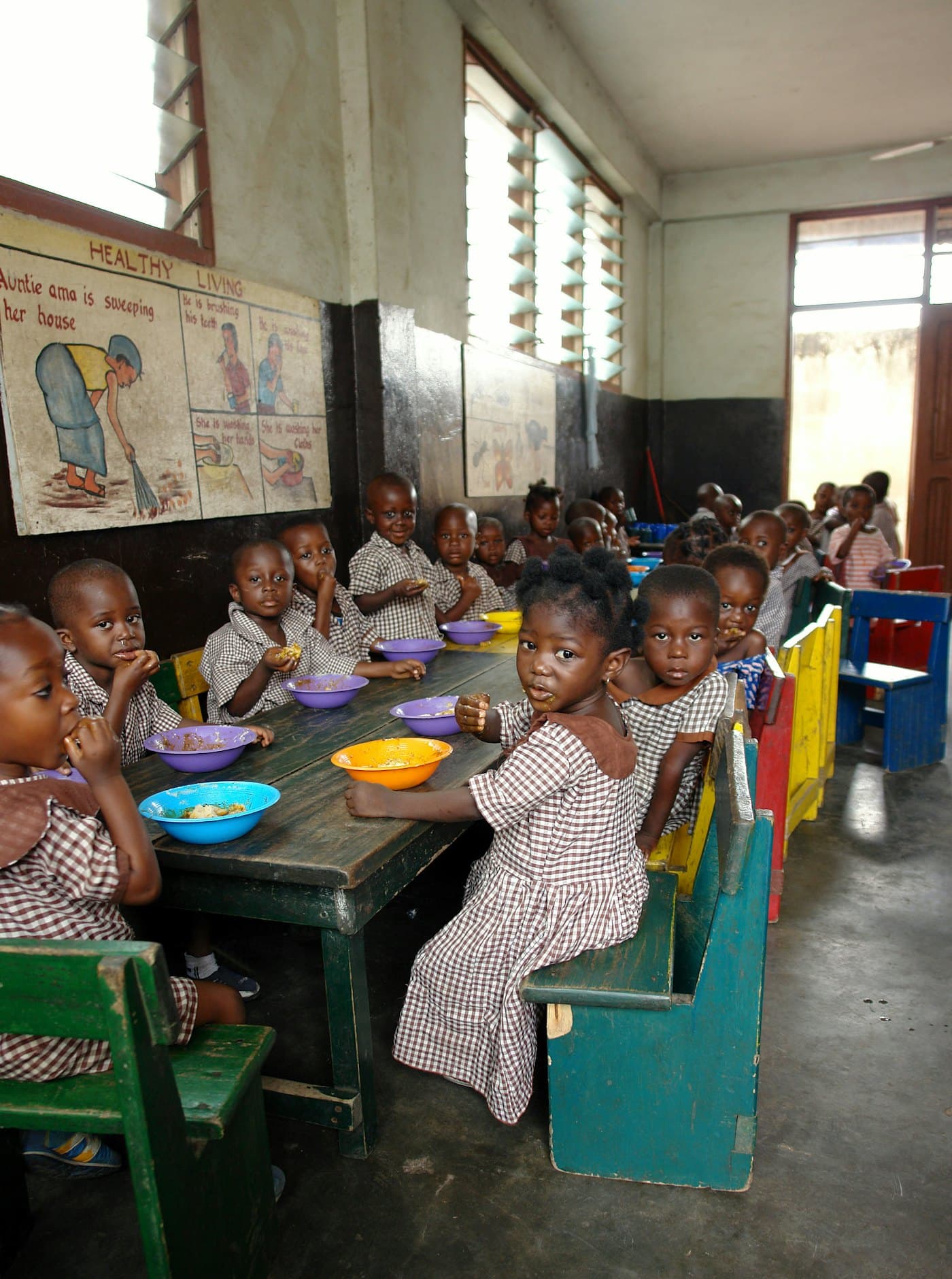
Illustrative photo: bill wegener / Unsplash
If you are wondering how to donate to Africa to fund school feeding programs, the process is simpler than most people expect. From the USA, you choose a cause, give to a 501(c)(3), and your money pays for hot lunches in a real school. However, the details matter. Where the food is bought, how meals are counted and how you hear back all decide whether your gift does what you hoped.
This post walks you through every step. We cover why school lunches work, the ways to give from the USA and what different gift sizes can fund. We also explain how to judge any charity before you give. Along the way, we point you to the school meals cause page, where you can give directly.
GiveToAfrica is a way for US donors to give to African causes, and you can read how we work before you decide. Questions at any point? Email us at donations@givetoafrica.net. Moreover, our stories and articles section holds more reading on each cause.
Why School Feeding Programs in Africa Deserve Your Gift
Many children in food-insecure areas walk to school having eaten nothing. As a result, they struggle to concentrate, and some stop coming altogether. A hot lunch changes that morning arithmetic. It gives a child a reason to show up, and the energy to learn once they do.
What a school meals program does in practice
A school feeding program serves a hot meal on every school day. Therefore, parents who struggle to feed their children get real relief. Meanwhile, teachers get pupils who can focus on the lesson.
For instance, our school meals cause reaches primary schools in food-insecure areas, where many children arrive having eaten nothing. The 2026 funding round has a clear objective. It aims to serve a hot, nutritious lunch every school day to 3,000 children. The target for that round is $73,551.
Why hunger and learning are so closely linked
A hungry child finds it hard to listen, remember or join in. Consequently, even a good teacher in a good classroom can only do so much. Food removes that obstacle first.
In addition, a daily meal gives families another reason to keep children enrolled. That matters because every missed week makes catching up harder. Therefore, feeding programs work as a first step toward better learning across a whole school.
Why money from the USA works better than food parcels
Moreover, a gift from the USA does not need to travel as a box of food. Money lets local partners buy ingredients near the schools. Consequently, farmers and market traders benefit too, and nothing spoils on a ship.
Our post on donating food to Africa explains why money usually goes further than shipping goods. Likewise, our donate food to Africa page says that food is bought locally and that distributions are verified.
How to Donate to Africa to Fund School Feeding Programs, Step by Step
The steps below show how to donate to Africa to fund school feeding programs in plain order. Furthermore, you can repeat them every term if you want to give regularly. Each step also tells you what to look for, so you stay in control of where your money goes.
Step 1: Choose the cause you want to fund
Start on the causes page, then open school meals. Alternatively, browse the food and hunger relief group if you want to compare options side by side.
Each cause page follows the same pattern. It shows the objective for the 2026 funding round, the need, why you might give, what your gift does and where your donation goes. As a result, you can judge the cause before you give a single dollar.
Step 2: Pick a gift size that suits you
On the school meals page, gifts start from $75. That amount pays for a term of school lunches for one child. Additionally, you can give more and feed several children, or help fund the whole round.
If you prefer, the Make a gift page lets you choose the cause and amount in one place. However, you do not need a large sum to make a real difference to one child.
Step 3: Choose how you want to pay
Next, decide on the payment route. Online gifts are the quickest. Donor-advised funds, crypto, stock, wire transfers, ACH and checks are also options.
The next section explains each one. For example, a donor who holds assets that have grown in value may prefer to give those rather than cash.
Step 4: Keep your receipt
After you give, you should receive a receipt by email. Keep it for your tax records. Gifts are made to a 501(c)(3), which means they can be tax-deductible for US donors.
However, rules differ from one donor to the next. A qualified tax adviser is therefore the right person to ask about your own situation.
Step 5: Read what comes back
Finally, read the updates. The school meals page says you can see how many meals your gift served, and it describes what we measure and report. Good reporting is the best sign that a program is well run. Therefore, treat it as part of the gift, not an extra.
Ways to Give from the USA to Feed Schoolchildren in Africa
Not everyone gives the same way. Fortunately, there are several routes from the USA, and each suits a different donor. Whichever you pick, you can name school meals as the cause.
Online gift
This is the quickest option. You choose school meals, enter your amount and receive an email receipt. For most first-time donors, it is the easiest way to start. Therefore, it suits anyone who wants to give today.
Donor-advised fund grants
If you hold a donor-advised fund, you can recommend a grant to GiveToAfrica. Usually, the tax deduction arrives when money goes into the fund, so the grant itself is simple.
Our step-by-step post on giving with a donor-advised fund covers the process, including our EIN and how to name the cause in the grant note. Meanwhile, it shows how to ask for a school meals grant.
Crypto, stock, wire, ACH and checks
Some donors prefer to give assets that have grown in value. For that reason, we accept more than online gifts. You can donate crypto to Africa using Bitcoin, Ethereum, USDT and over 100 other coins through NOWPayments. Our post on donating Bitcoin and crypto explains the steps.
Similarly, our post on stock, wire transfers, ACH and checks covers the traditional routes for US donors. All of these are valid ways of learning how to donate to Africa to fund school feeding programs. Pick the one that fits your finances. The outcome in the classroom is the same.
What Your Donation Can Fund Beyond a Single Meal
A school lunch is powerful, but it works best alongside other support. Therefore, it helps to know what else you can fund from the USA. Each option below has its own page.
Feeding the youngest children
Many children arrive at school already malnourished. Our nutrition programs screen children under five and treat those who need it. They also teach mothers good nutrition.
For example, a gift of $75 pays for screening 250 children with arm-band tests. The current round aims to screen 6,000 children and treat the 500 or so expected to be malnourished. In addition, you can track recovery rates.
Emergency food when crisis hits
Sometimes a drought or flood cuts off normal supplies. In those cases, emergency food aid steps in. It reaches families in crisis, with food distributed within two weeks of funding.
You can read the wider picture in our post on emergency relief and on the drought emergency response page. Consequently, you can pair a crisis gift with a school meals gift if you wish.
Keeping children in class
Meals help, but fees and uniforms can still push a child out of school. By contrast, the keep children in school cause pays fees, uniforms and supplies for children about to drop out. Payments go straight to the schools.
Additionally, our post on child sponsorship explains how sponsorship, orphan care and school support fit together.
Making Sure Your School Feeding Gift Is Used Well
Good intentions are not enough. Therefore, ask a few plain questions before giving to any charity. The answers tell you more than a glossy photo ever will.
Questions to ask any charity
Start with the basics. A short list keeps you focused:
- Is it a registered 501(c)(3) that can issue a receipt?
- Does it buy food locally and verify distributions?
- Does it tell you what your gift achieved?
- Can you choose the cause your gift funds?
Our donate food to Africa page answers the second question directly. Food is bought locally, and distributions are verified. Similarly, our post on 501(c)(3) charities shows what to look for when comparing organizations, and the same checks apply to feeding programs.
Healthy kitchens need clean water
A school kitchen cannot run without safe water. Likewise, children need clean hands and working toilets. The sanitation projects page covers school toilets and handwashing stations. For instance, $60 buys handwashing stations with soap for two classrooms.
Water projects are covered under clean water in Africa and in our post on clean water wells.
Learning that follows the lunch
Once children are fed, they can learn. Consequently, many donors also support books and computers or school construction. A desk for three pupils costs $60, and sets of core textbooks for two pupils cost $60 as well.
The school construction round aims to build four safe classrooms so 400 children can stop learning under trees or in crumbling buildings. Our post on donating to education in Africa shows how it all connects.
Giving from Across the USA: Where Your Gift Comes From
You do not need to live near a school to feed one. The process is identical whether you give from a small town or a big city in the USA. Everything happens online, so your location never limits you.
Serving donors nationwide
We do not publish a street address on our site, so please contact us by email at donations@givetoafrica.net. Furthermore, our contact page lets you send a message at any time. If you are unsure which route to take, ask before you give.
Our service area is simple. US donors in any state give online to African causes. Therefore, the steps and the reporting are the same wherever you live.
Explore more ways to help
If school feeding is just your starting point, browse the full list of ways to help Africa. You can also read about how to help children in Africa more broadly, or how to donate to orphans in Africa.
Alternatively, return to the GiveToAfrica homepage for a quick overview of every cause.
Start Your Gift Today
Now you know how to donate to Africa to fund school feeding programs from the USA. Choose school meals, pick your amount and give. Alternatively, use the Make a gift page to get started.
Do you have a question first? Email donations@givetoafrica.net. We will gladly explain any step.
Our School Feeding and Child Hunger Services from the USA
Seven programs help you feed children and keep them learning. Each has its own page, so you can see exactly what your gift does. Together, they show how to donate to Africa to fund school feeding programs and the support around them.
School meals for Africa, given from the USA
The school meals cause serves a hot lunch every school day. It reaches primary schools in food-insecure areas where many children arrive having eaten nothing. The 2026 round aims to feed 3,000 children, with a target of $73,551.
Gifts start from $75, which pays for a term of school lunches for one child. Afterwards, you can see how many meals your gift served.
The page also explains the need, why to give, where your donation goes and how the work is done. Consequently, you can read the full picture before you decide.
Donate food to Africa from the USA
Our donate food to Africa page brings emergency food aid, school meals and child nutrition together. Food is bought locally, and distributions are verified. As a result, your gift supports local markets as well as hungry families.
It is a good starting point if you want to compare food-related causes. For instance, you can see school meals beside nutrition programs and drought emergency response. You then choose the one that matches your priorities.
Nutrition programs for children in Africa
The nutrition programs cause screens and treats malnourished children, and teaches mothers good nutrition. Screening uses simple arm-band tests. In addition, you can track recovery rates.
A gift of $75 screens 250 children. The current round aims to screen 6,000 children under five, then treat the 500 or so expected to be malnourished.
This cause suits donors who care most about the youngest children. Moreover, it pairs well with school meals, because good nutrition starts long before the first school day.
Emergency food aid in Africa from the USA
When families face a crisis, emergency food aid reaches them fast. Food is distributed within two weeks of funding. Therefore, it suits donors who want a quick response.
Furthermore, this cause works well together with school meals. One feeds families in the crisis, while the other keeps children learning once life settles.
Floods, drought and conflict can all disrupt food supplies. Consequently, funds that are ready to use matter a great deal.
Keep children in school in Africa
Some children are about to drop out because their families cannot pay for school. The keep children in school cause pays school fees, uniforms and supplies. Payments go straight to the schools.
Consequently, a child who is fed and enrolled has a real chance to finish. A school lunch brings the child to class, and paid fees keep the child there.
Sanitation projects for schools in Africa
School toilets and handwashing stations keep children healthy and in class, especially girls. The sanitation projects page explains what each gift builds. For example, $60 pays for handwashing stations with soap for two classrooms.
As a result, school kitchens and playgrounds become safer places. Moreover, healthy children miss fewer days, so every school meal does more good.
Donate crypto to Africa for school meals
If you hold digital assets, you can donate crypto to Africa. We accept Bitcoin, Ethereum, USDT and over 100 other coins through NOWPayments. You choose a cause, such as school meals, and receive an email receipt.
In addition, the process works for donors anywhere in the USA. Our post on donating Bitcoin explains it step by step.
Frequently Asked Questions
How do I donate to Africa to fund school feeding programs?
Open the school meals page, choose an amount and give online. Gifts start from $75, which pays for a term of school lunches for one child. You will receive an email receipt, and you can see how many meals your gift served.
Is my donation to school feeding in Africa tax-deductible?
Gifts from the USA are made to a 501(c)(3), so they can be tax-deductible. However, rules differ for each donor. Therefore, please check with a qualified tax adviser, and keep the receipt that arrives by email after your gift.
Can I give with a donor-advised fund, stock or crypto?
Yes. You can recommend a grant from a donor-advised fund, or give by crypto. Our post on stock, wire, ACH and checks covers other routes. Each method lets you name school meals as the cause.
Is it better to send food or send money?
Money usually goes further. Local partners buy food near the schools, so it arrives fresh and supports local farmers. Our donate food to Africa page explains that food is bought locally and distributions are verified.
How can I contact GiveToAfrica with questions?
Email donations@givetoafrica.net or use the contact page. We will help you choose a cause, understand the payment options and find the right page to give. Therefore, you never have to guess.
Donate directly to a cause in this guide
Choose a cause and your gift goes straight to it. Gifts start at $50, and are tax-deductible in the United States.
Children's welfare
School meals
A hot lunch that brings children to class and helps them learn.
Target$73,551
Donate to school meals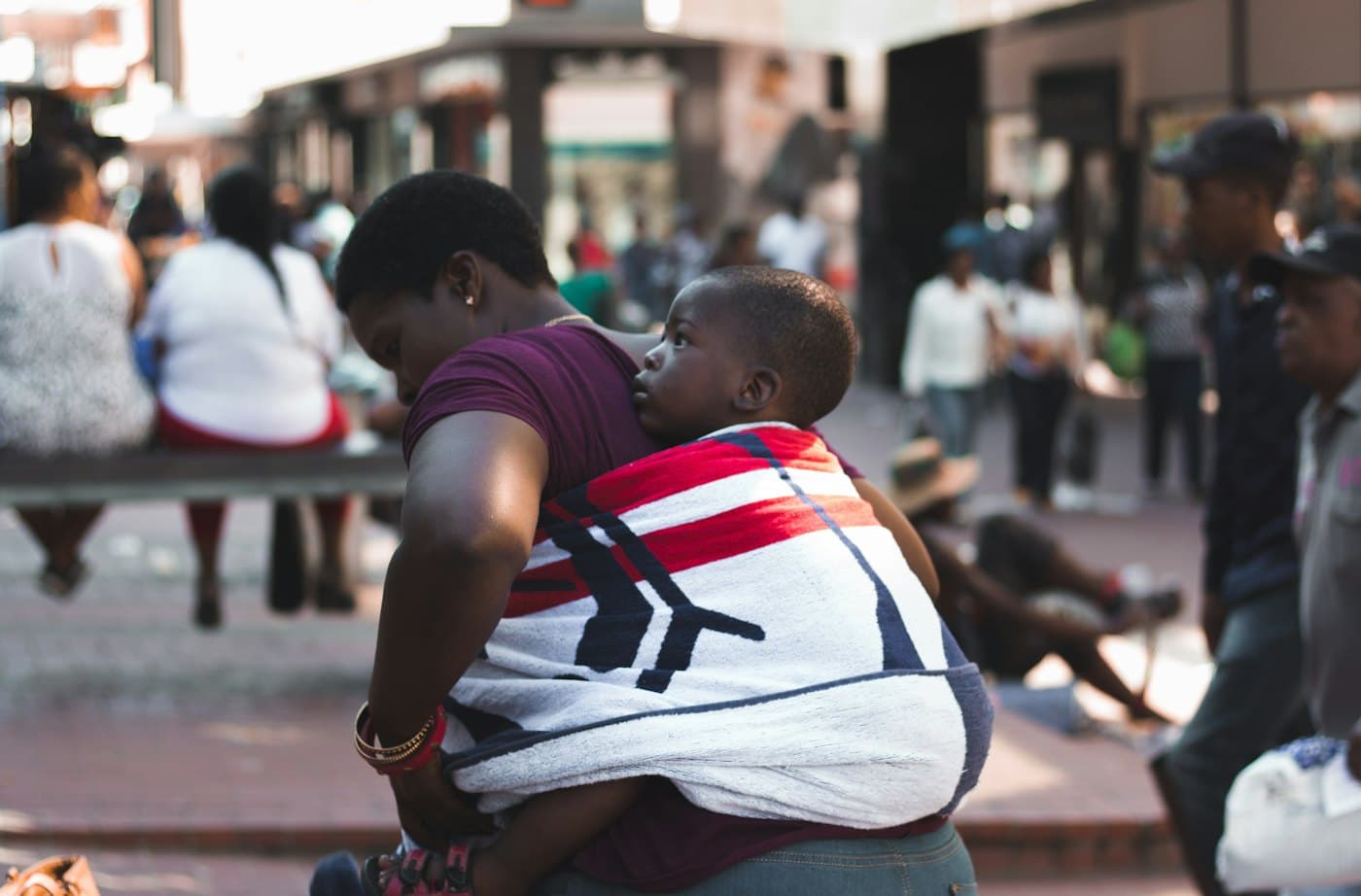
Food and hunger relief
Nutrition programs
Screen and treat malnutrition in children under five.
Target$47,644
Donate to nutrition programs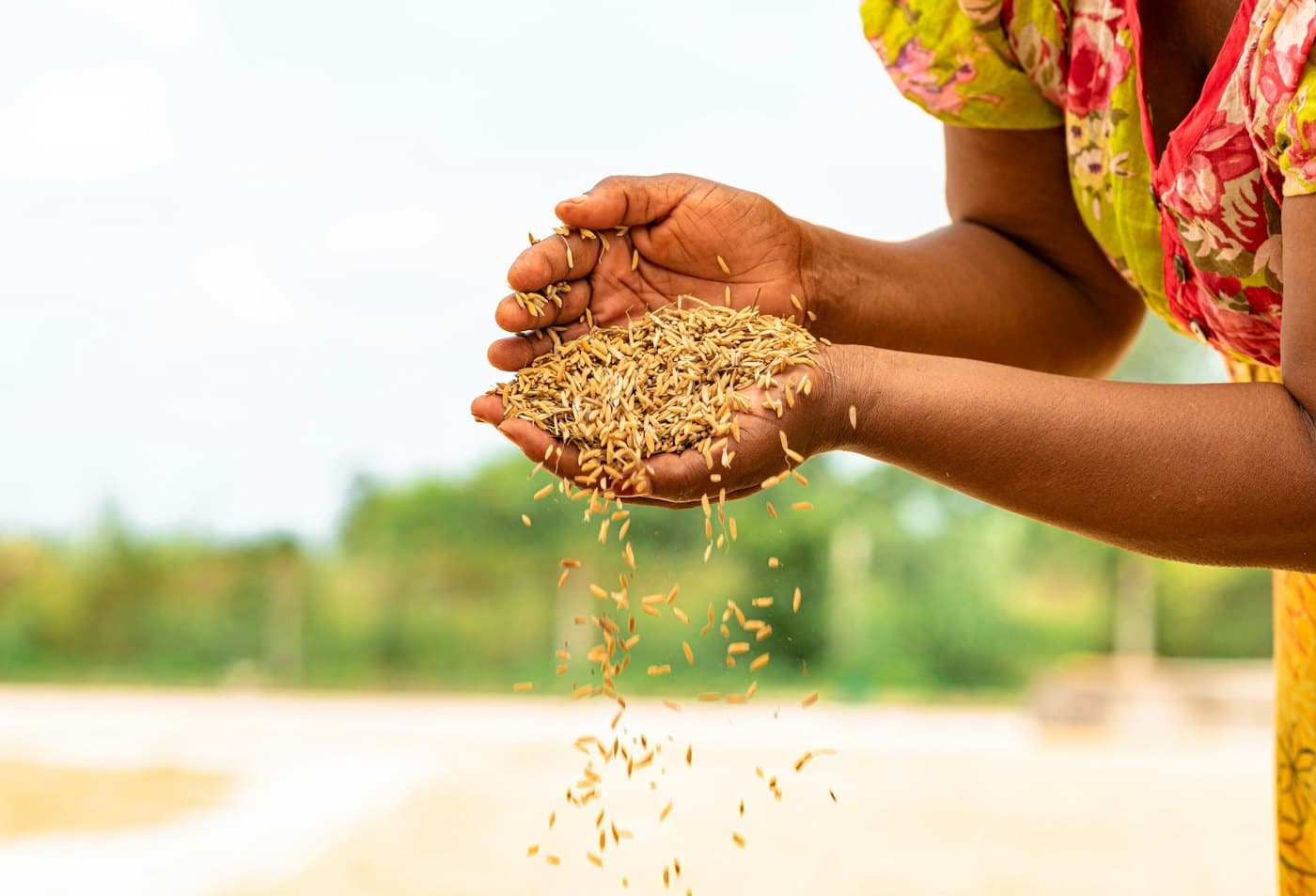
Food and hunger relief
Emergency food aid
Food parcels for families when the harvest fails.
Target$70,134
Donate to emergency food aid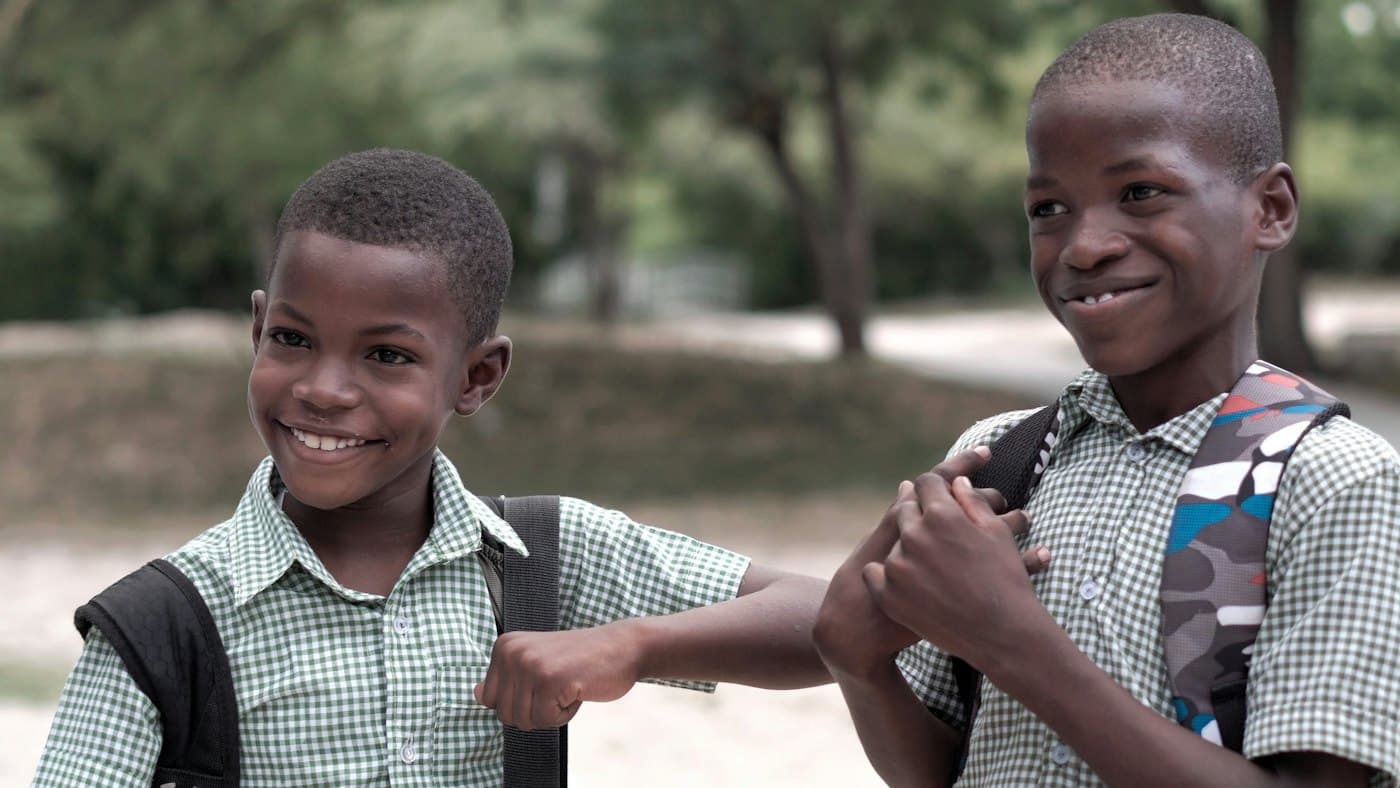
Children's welfare
Keep children in school
Fees, uniforms and supplies for children about to drop out.
Target$45,203
Donate to keep children in school
More stories
- Donate to Africa for Emergency Food Aid and Famine Relief from the USA
Donate to Africa for emergency food aid and famine relief from the USA. Give tax-deductibly, see where your gift goes and help feed families today.
- Donate to Africa to Buy Malaria Prevention Bed Nets from the USA
Donate to Africa to buy malaria prevention bed nets from the USA. $50 buys five treated nets, delivered and hung. Give today with GiveToAfrica.
- Donate to Africa to Provide Microfinance Loans for Women from the USA
Donate to Africa to provide microfinance loans for women from the USA. Fund savings groups and small loans that are repaid and lent again. Give today.