How to Donate to Africa with a Donor-Advised Fund (DAF): A Step-by-Step Guide
How to donate to Africa with a donor-advised fund. Recommend a DAF grant to GiveToAfrica (EIN 27-3982730), choose the cause it funds, and see the results in a field report.
GiveToAfrica team · · 11 min read

Illustrative photo: Annie Spratt / Unsplash
If you hold a donor-advised fund, it can be one of the simplest ways to donate to Africa. You have already received your tax deduction when you put money into the fund. Now you only need to decide where it goes. This guide explains, step by step, how to recommend a DAF grant to an African cause and make sure it is used the way you intend.
We'll show how to recommend a grant to GiveToAfrica, a registered 501(c)(3) nonprofit, EIN 27-3982730. You can name the exact cause your grant should fund, from clean water to scholarships, and you'll receive a field report on what it achieved.
This guide is general information, not tax advice. Your DAF sponsor and your own adviser can confirm how the rules apply to you.
What is a donor-advised fund?
A donor-advised fund, or DAF, is a charitable giving account held by a sponsoring organisation. Sponsors include community foundations and the charitable arms of large financial firms, such as Fidelity Charitable, Schwab Charitable and Vanguard Charitable.
When you contribute cash, stock or other assets to your DAF, you generally receive a tax deduction that year. Afterwards, the money can be invested and grow. Then, whenever you are ready, you recommend grants from the fund to qualifying charities.
Opening a DAF is usually simple. Many national sponsors have low minimum contributions, and some have none. However, sponsors charge an annual administrative fee, usually a small percentage of the balance, plus any investment fees. Therefore, it is worth comparing sponsors before you open an account. Your financial adviser can help you choose.
In other words, a DAF separates two decisions. First, when to take the tax deduction. Second, which charities to support. As a result, many donors use a DAF to plan their giving calmly, rather than rushing at year-end.
Why donate to Africa with a donor-advised fund
A DAF grant is a straightforward way to support work overseas through a US charity. Your sponsor sends the grant to a US-registered 501(c)(3), such as GiveToAfrica. We then fund vetted local partners in Africa against published budgets.
Moreover, you don't need to research foreign organisations yourself. Instead, you choose a cause on our site, where every budget, target and gift amount is shown. For example, the wells and boreholes page shows how each $100 is split between drilling, testing, pumps and local mechanics.
Additionally, many sponsors allow anonymous grants. Therefore, you can support a cause without your name being shared, if you prefer. Finally, a DAF grant arrives as one payment from a trusted sponsor, which makes it simple for us to record and report on accurately.
Why recommend your DAF grant to GiveToAfrica
GiveToAfrica is a registered 501(c)(3) nonprofit, EIN 27-3982730. You can confirm our registration in the IRS Tax Exempt Organization Search, and your sponsor will run its own checks before approving the grant.
Furthermore, every gift is recorded against the cause you choose. For instance, if your grant note says "scholarships", the grant funds scholarships. If that cause becomes fully funded, extra gifts go to its next round, as our terms explain.
Most importantly, we report back. Every quarter, donors receive a field report on what their cause delivered, where, what it cost and what didn't go to plan. You can read why we send field reports and how we work.
Our Services: seven ways to use your DAF to support Africa
Here are seven practical ways DAF holders support African communities through GiveToAfrica.
Recommend a one-time grant by EIN
The simplest option is a single grant. Log in to your DAF account, search for "GiveToAfrica" or enter our EIN, 27-3982730, and choose an amount. Most sponsors process grants within a few days to a few weeks.
Because your sponsor sends the money, you won't receive a tax receipt from us for a DAF grant. You already received your deduction when you contributed to the fund.
Name the cause in the grant note
Most sponsors let you add a purpose or note to a grant. Use it to name the cause, such as "wells and boreholes" or "medical clinics". We will record the grant against that cause.
For example, a note saying "small business grants" will fund starter grants, training and mentoring for women in Africa. Similarly, "orphan care" will fund food, school costs and caseworkers for children living with relatives.
Set up recurring DAF grants
Many sponsors allow you to schedule recurring grants, for example every quarter. Therefore, you can support a cause steadily, which helps partners plan ahead. Recurring grants are especially useful for school meals and medical clinics, which have monthly running costs.
Fund a whole project
A larger DAF grant can fund a complete project. For example, a new drilled borehole serving about 500 people costs around $12,000 in our current budget. Similarly, a complete classroom costs about $15,000.
If you would like to fund a whole project, contact us before recommending the grant. We will explain the costs and how the project will be reported.
Contribute appreciated stock or crypto first
Many donors fund their DAF with appreciated stock or cryptocurrency rather than cash. When you give long-held appreciated assets, you can generally avoid capital gains tax and deduct the fair market value, subject to IRS limits.
Afterwards, you recommend a grant from the DAF to GiveToAfrica. As a result, the full pre-tax value of the asset can reach the cause. You can also give crypto to us directly; see our guide to donating Bitcoin and crypto to Africa.
"Bunch" several years of giving
From 2026, itemised charitable deductions only count above 0.5% of your adjusted gross income. Consequently, some donors "bunch" several years of giving into one DAF contribution, then spread the grants out over the following years. Ask your adviser whether this suits you.
Give anonymously
If you prefer privacy, most sponsors let you recommend a grant anonymously, or share only your name and not your address. We will still record the grant against your chosen cause. However, if you want the field reports, let us know how to reach you.
Step by step: how to donate to Africa with a donor-advised fund
Here is the full process, from start to finish.
- Choose a cause. Browse all 38 causes and note the one you want to fund.
- Log in to your DAF. Use your sponsor's website or app.
- Find GiveToAfrica. Search by name or EIN 27-3982730.
- Enter the amount and note. Add the cause in the purpose field.
- Submit. Your sponsor reviews the grant and sends it to us.
After that, we record the grant against your cause and, if your sponsor shares your details, send you the field reports.
DAF rules worth knowing
A few rules apply to every donor-advised fund. First, DAF grants cannot pay for anything that benefits you personally, such as event tickets or merchandise. Second, you cannot use a DAF grant to pay a pledge that creates a personal legal obligation without checking your sponsor's policy.
Third, IRA qualified charitable distributions cannot go into a DAF. If you are 70½ or older and want to give from your IRA, send the distribution directly to a qualifying charity instead. Read our guide to giving from your IRA, or contact us first.
Finally, from 2026 non-itemizers can deduct up to $1,000 of cash gifts ($2,000 for married couples filing jointly) to qualifying charities. However, that deduction does not apply to contributions to a DAF (TurboTax). Therefore, if you don't itemize, a direct gift may suit you better.
What a DAF grant can fund in Africa
Because DAF grants are often larger than one-off gifts, they can fund substantial pieces of work. Here are examples from our current budgets.
Grants of $500 to $1,000
A $500 grant replaces a hand pump on an existing well through wells and boreholes, so a community can drink safe water again within days. Similarly, a $1,000 grant provides business grants and a year of coaching for a group of four women through small business grants.
Grants of $1,000 to $5,000
A $1,100 grant covers a full year of secondary school for one scholar through scholarships. Meanwhile, $3,000 installs a solar power system for a rural clinic's lights and vaccine fridge through medical clinics. In addition, $5,000 builds a community water pan through drought resilience.
Grants of $10,000 and above
At this level, you can fund a complete project. For example, about $12,000 funds a new drilled borehole serving around 500 people. Similarly, about $15,000 builds a complete classroom through school construction. For grants of this size, please contact us first, so we can plan the project with you.
DAF grant or direct gift: which is better?
Both are good ways to give. However, they suit different situations.
A DAF grant makes sense if you already have money in a DAF, or if you want to give appreciated stock and spread the grants over several years. In addition, it keeps all your giving records in one place.
On the other hand, a direct gift through our donation page is quicker, and you receive a tax receipt from us straight away. Moreover, from 2026, non-itemizers can deduct direct cash gifts to qualifying charities, up to the annual limit, but not contributions to a DAF.
Therefore, many donors use both. They give directly for smaller gifts during the year, and use their DAF for larger annual grants.
Year-end timing for DAF donors
Timing works differently with a DAF. Your deduction is taken when you contribute to the fund, not when the grant is made. Consequently, the December 31 deadline applies to your contribution, not to your grants.
However, sponsors often have their own year-end processing cut-offs, and grants can take longer in December. Therefore, if you want a grant to reach a cause before the end of its funding window, recommend it early. Each cause page shows a live countdown to its own deadline.
Where your DAF grant goes
A DAF grant follows the same published budget as any other gift to that cause. For example, a grant to medical clinics is split between medicines and supplies (35%), staff (30%), outreach clinics (15%), equipment and repairs (10%), and monitoring (10%).
Therefore, you can see exactly how a $1,000 grant would be used before you recommend it. Every quarter, the field report compares the plan with what was actually spent.
Donor-advised fund giving across the United States
DAF holders give from every state. Still, some regions have strong DAF traditions.
Boston, Philadelphia and the Northeast
Boston is home to Fidelity Charitable, and Vanguard Charitable is based near Philadelphia in Pennsylvania. Consequently, many Northeast donors hold DAFs with these sponsors. Many use them to fund scholarships and school construction.
San Francisco and Silicon Valley
San Francisco is home to Schwab Charitable, and Silicon Valley has many donors who fund DAFs with company stock. As a result, Bay Area donors often recommend larger grants, sometimes for whole projects such as boreholes.
Community foundations nationwide
From the Chicago Community Trust to community foundations in Texas, Minnesota and Georgia, local foundations also host DAFs. Their donors often combine local giving with international causes, such as emergency food aid or maternal and child health.
Houston, Dallas and the Sun Belt
Texas, Florida and Arizona have seen fast growth in DAFs, often opened after a business sale or a strong year in the markets. In addition, Houston and Dallas have large African diaspora communities. Consequently, many Sun Belt donors use DAFs to fund their home communities' needs, from orphan care to school meals.
A quick checklist before you submit your DAF grant
Before you press submit, run through this short checklist. First, check the charity name and EIN: GiveToAfrica, 27-3982730. Next, check the amount, and whether it is one-time or recurring.
Then, add the cause in the purpose or note field, spelled as it appears on our site. For example, write "maternal and child health" rather than "health". After that, decide whether to share your name and email with us, so we can send you the field reports.
Finally, check your sponsor's processing time, especially in December. If the grant is for a whole project, email us at donations@givetoafrica.net so we know it is coming. That way, nothing is missed and your grant is used exactly as you intend. We will confirm receipt by email once your sponsor's payment arrives, usually within a few days.
How to choose where to send a DAF grant
Before you recommend any grant, ask four questions. Is the charity a registered 501(c)(3)? Will it honour a restricted purpose? Does it publish budgets and targets? Will it report results?
We answer each of those on our cause pages. For a wider checklist, read how to choose a charity working in Africa and our complete guide on how to donate to Africa.
Contact GiveToAfrica about DAF grants
We welcome DAF grants from all US sponsors. If your sponsor needs documents from us, or you want to discuss a larger grant, email donations@givetoafrica.net, use our contact form, or tap the WhatsApp button on this page. We reply within two working days.
Frequently asked questions
Can I use my donor-advised fund to donate to Africa?
Yes. Recommend a grant to a US-registered 501(c)(3) that works in Africa, such as GiveToAfrica (EIN 27-3982730). Your sponsor sends the grant, and we fund the cause you name.
What is GiveToAfrica's EIN for my DAF grant?
Our EIN is 27-3982730. Search for "GiveToAfrica" or enter the EIN in your DAF sponsor's grant form.
Can I choose which cause my DAF grant funds?
Yes. Write the cause, such as "wells and boreholes", in your grant's purpose or note field. We will record the grant against that cause.
Will I get a tax receipt for a DAF grant?
No. You received your deduction when you contributed to the DAF. Your sponsor provides the records for that contribution.
Can I make a DAF grant anonymously?
Yes, most sponsors allow anonymous grants. We will still fund the cause you name. If you want the field reports, let us know how to reach you.
Ready to donate to Africa with your DAF?
Choose a cause from all 38 causes, then recommend a grant to GiveToAfrica, EIN 27-3982730. If you don't have a DAF, you can also give directly in a few minutes. Questions? Contact our team.
Donate directly to a cause in this guide
Choose a cause and your gift goes straight to it. Gifts start at $50, and are tax-deductible in the United States.
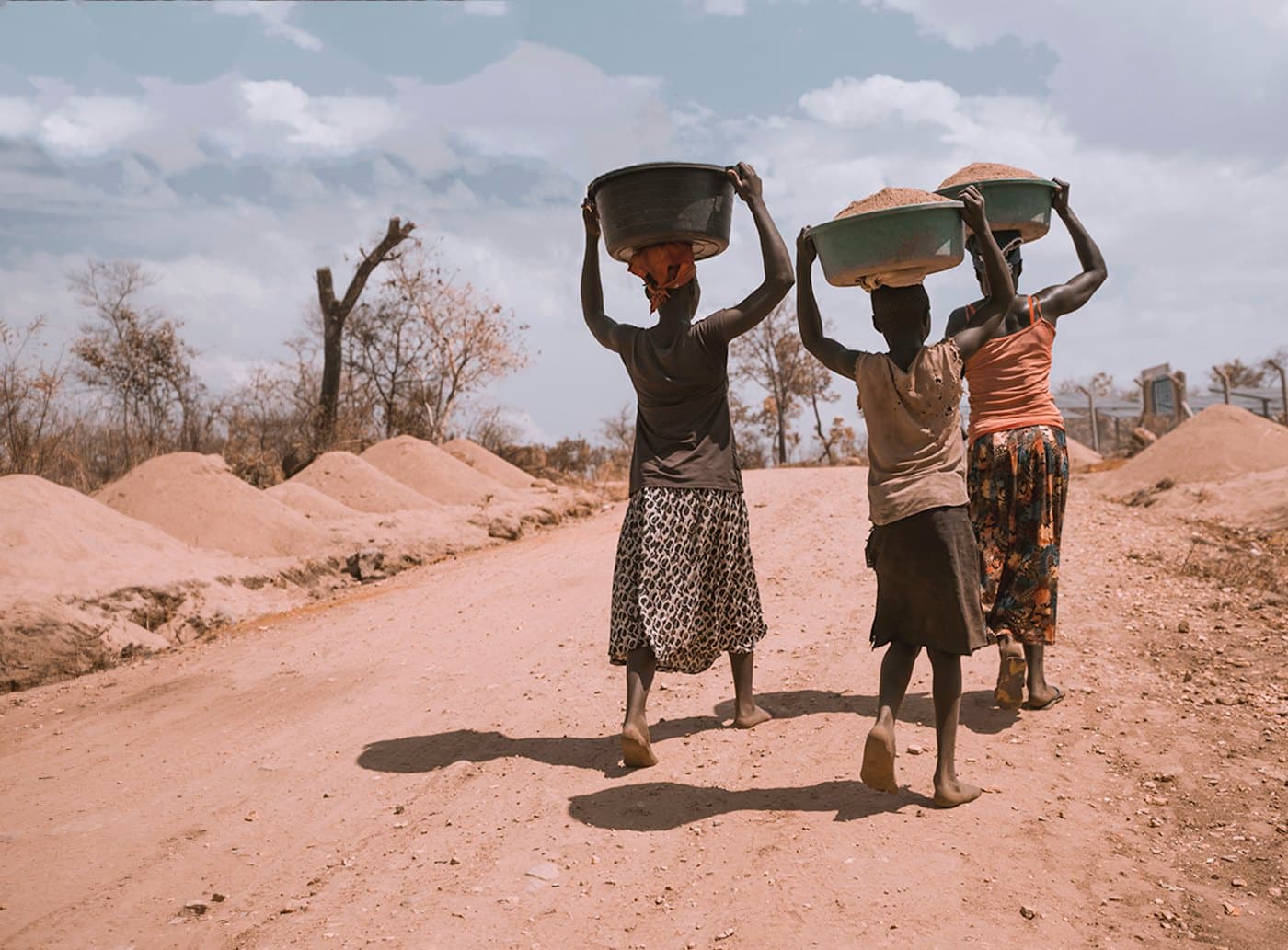
Clean water
Wells and boreholes
Drill a borehole and end the daily walk for water.
Target$72,201
Donate to wells and boreholesEducation
Scholarships
Secondary and university scholarships for bright students who can't afford fees.
Target$123,731
Donate to scholarships
Healthcare
Medical clinics
Staff, stock and equip rural clinics that serve whole districts.
Target$94,007
Donate to medical clinics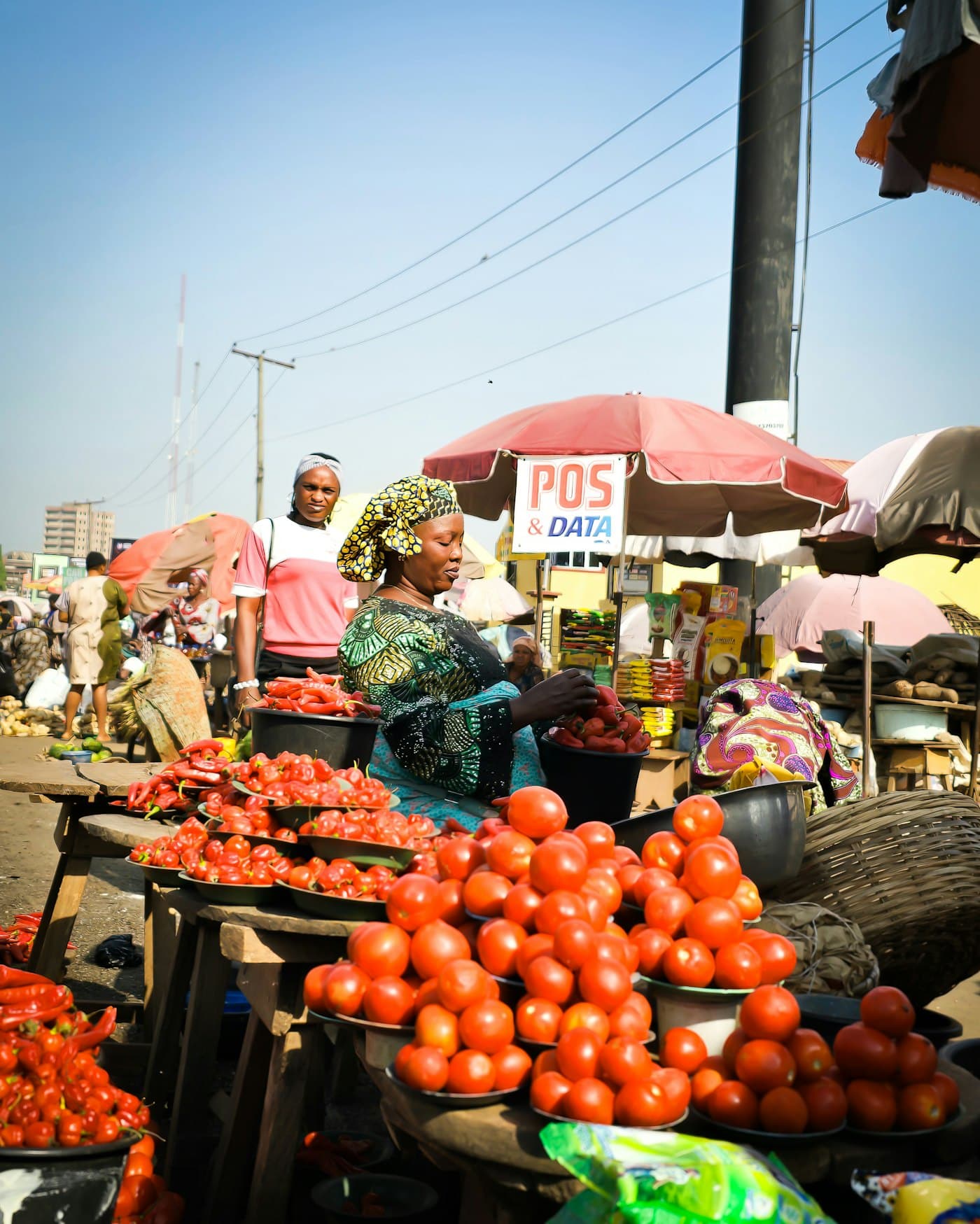
Women's empowerment
Small business grants for women
Grants and coaching for women starting a business.
Target$87,606
Donate to small business grants for women
More stories
- Best 501(c)(3) Charities to Donate to Clean Water Wells in Africa: What to Look For in 2026
How to find the best 501(c)(3) charities to donate to clean water wells in Africa. Eight criteria that separate lasting water projects from broken pumps, and how GiveToAfrica measures up.
- Donate to Clean Water Wells in Africa: How Borehole Projects Work and What Your Gift Funds
How to donate to clean water wells in Africa through a 501(c)(3). See what a borehole costs, what keeps it working, and fund a water project directly.
- How to Donate to Africa from the USA: Every Way to Give, and Where Your Money Goes
A practical guide to donate to Africa from anywhere in the United States. Choose a cause, give tax-deductibly to a 501(c)(3), and see exactly what your gift does.