Donate to Africa for Emergency Food Aid and Famine Relief from the USA
Donate to Africa for emergency food aid and famine relief from the USA. Give tax-deductibly, see where your gift goes and help feed families today.
GiveToAfrica team · · 12 min read
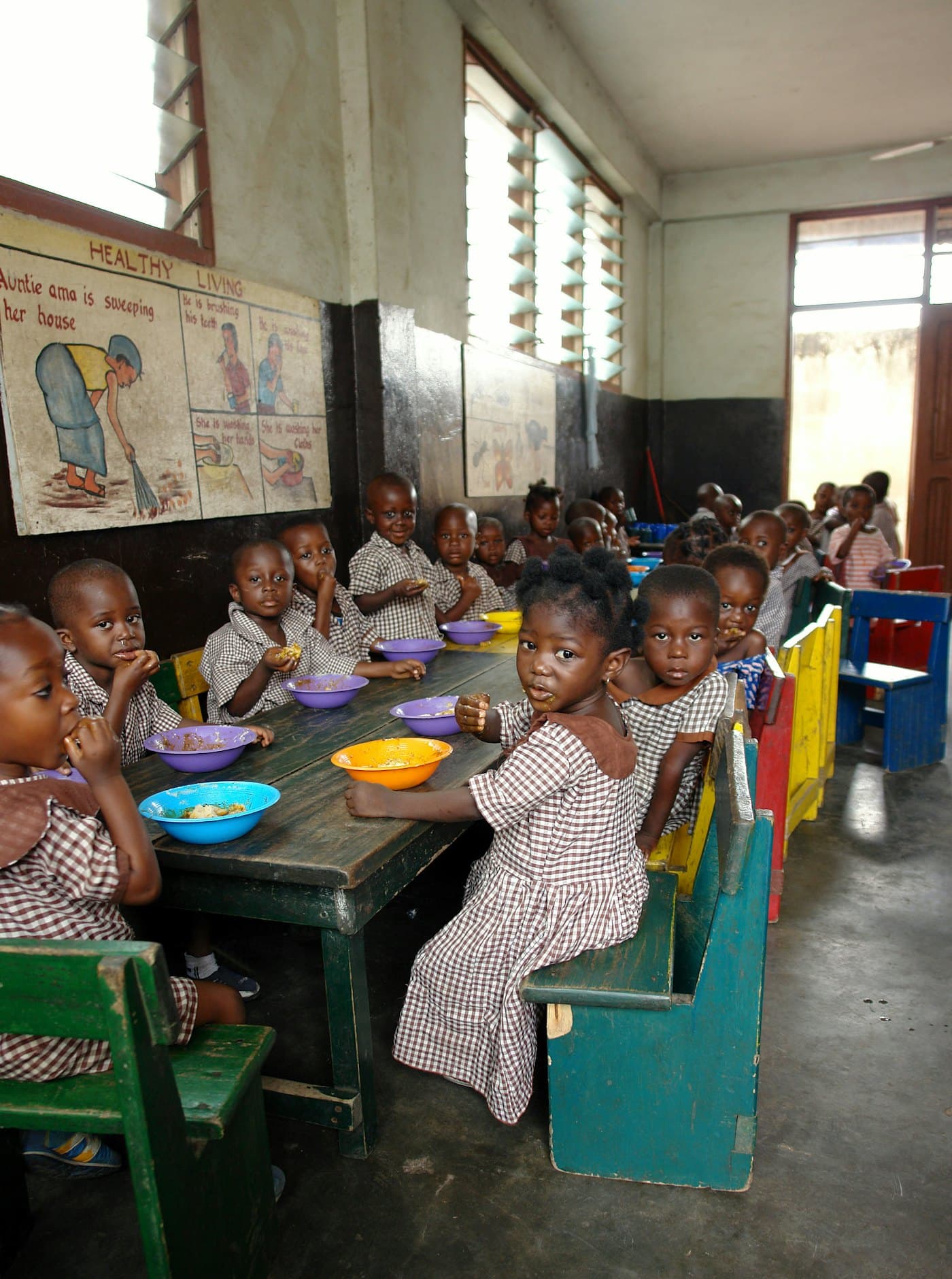
Illustrative photo: bill wegener / Unsplash
If you want to donate to Africa for emergency food aid and famine relief, you probably want two things. You want your money to reach hungry families quickly, and you want proof that it did. This post explains how that works for donors in the USA.
When a harvest fails, a family can run out of food within weeks. Children are hit first. Therefore, the speed and the honesty of the charity you choose matter as much as the size of your gift.
Below, we cover why famine relief still needs your help, whether to send food or money, and what each gift can buy. We also show how to give from anywhere in the USA through GiveToAfrica, a 501(c)(3). If you have questions at any point, you can email donations@givetoafrica.net.
Why Donate to Africa for Emergency Food Aid and Famine Relief Now
Hunger rarely arrives in one dramatic moment. It builds slowly, and then it tips. By the time pictures reach the news, many families have already been hungry for months.
How hunger builds when harvests fail
A farming family usually lives close to the edge. If the rains fail or floods wash out a crop, the household has nothing to eat and nothing to sell. As a result, parents skip meals so that children can eat.
Next, families sell livestock, tools and sometimes seed for the next season. That choice solves today's hunger. However, it makes next year's hunger far more likely.
Why speed matters for famine relief
Food aid works best before a family reaches the point of collapse. A parcel delivered early keeps a child in school and keeps a parent strong enough to work. Delivered late, it only treats a crisis that has already done damage.
That is why emergency food aid at GiveToAfrica is distributed within two weeks of funding. Moreover, the wider emergency relief in Africa work is built around local partners who can respond within days.
Should You Send Food or Money from the USA?
It is a natural question. Sending a box of canned goods feels direct and personal. In practice, though, money usually does far more.
Why cash donations go further than shipped food
Shipping food across an ocean is slow and costly. Customs delays, storage and transport can eat a large share of the value. Meanwhile, the families you want to help keep waiting.
Money, on the other hand, can be spent close to the need. For example, a local partner can buy staple food in a nearby market within days. Our post on how to donate food to Africa explores this question in more depth.
Buying locally supports farmers too
When food is bought locally, the money also reaches nearby farmers and traders. Consequently, the aid does not undercut the local market that families rely on after the crisis.
GiveToAfrica's donate food to Africa page confirms that food is bought locally and that distributions are verified. That combination of local purchase and checked delivery is what you should look for in any charity.
How Emergency Food Aid Works Step by Step
Many donors never see what happens after they press "give". So here is the process in plain terms, based on how GiveToAfrica describes its emergency food aid cause.
Choosing which families receive help
The 2026 funding round aims to feed families through the hungry season, until the next harvest comes in. Its target is $70,134. The support reaches households that have run out of food after a failed harvest.
Priority goes to families with young children, elderly members or disabled members. In other words, help goes first to those least able to cope. Note that this funding window has closed, so new gifts go to the next round.
Food parcels and cash transfers
Families receive monthly food or cash transfers until the next harvest comes in. The aim is simple: bridge the gap between the failed crop and the next one.
For instance, $90 provides two months of food parcels for a family of five. That is a clear, concrete number you can picture. You can read the full details on the emergency food aid page.
Verified distribution
Delivery is only half the story. You also need confirmation that the right families received the right food. Furthermore, the cause page includes a section on what is measured and reported.
If you want the wider picture, the stories and guides section of the site shares updates from the field.
Famine Relief Beyond the First Food Parcel
A parcel feeds a family today. Lasting famine relief also protects children, water and the next harvest. Therefore, the strongest approach joins several causes together.
Treating malnutrition in young children
Young children suffer most when food runs short. Malnutrition can slow growth and weaken the body against illness. For this reason, nutrition programs screen and treat malnourished children and teach mothers good nutrition.
A $75 gift covers screening for 250 children with arm-band tests. It is a small cost that can catch a problem early.
Water and livestock during drought
Drought turns hunger into a water crisis too. Pastoralist families watch their herds weaken as wells and streams dry up. As a result, food and water have to arrive together.
The drought emergency response cause aims to keep water flowing to families through severe drought and to protect breeding animals. For instance, $70 pays for two weeks of trucked water for a family.
Farming that survives the next dry spell
Emergency aid should not become a yearly habit. Therefore, the food and hunger relief area also supports drought-resilient farming. Better harvests and storage help families grow enough food year-round.
You can explore this longer-term work on the food security in Africa page.
How to Donate to Africa for Emergency Food Aid and Famine Relief in the USA
Giving should be simple. You choose a cause, pick an amount and receive a receipt. The steps below keep it clear.
Step 1: Pick the cause that fits your goal
If you want to feed families right now, choose emergency food aid. If you want to cover hunger more broadly, the food and hunger relief page groups three related causes. Its combined target for the 2026 funding round is $171,420.
You can also browse every cause or see all ways to help Africa. Whichever you choose, you can make a gift from there.
Step 2: Choose how you give
Most donors give by card online. However, other routes exist. Some donors prefer to give appreciated assets, a donor-advised fund or cryptocurrency.
Our posts explain each route: stock, wire transfers, ACH and checks, donor-advised funds and Bitcoin and crypto. The donate crypto to Africa page also lists causes you can fund this way.
Step 3: Keep your receipt
GiveToAfrica is a 501(c)(3), so gifts from the USA can be tax-deductible. Our tax-deductible donations to Africa page explains the basics. Because rules differ for each person, check your own situation with a tax adviser.
You can read the full walkthrough in how to donate to Africa from the USA.
Giving from Across the USA
You do not need to live near a big city or an international charity office to help. Anyone in the USA with an internet connection can donate to Africa for emergency food aid and famine relief. Rural towns, suburbs and cities are all served the same way.
Donors in every part of the USA
GiveToAfrica serves donors across the USA. There is no local branch to visit, and the site does not publish a street address. Instead, everything happens online, and you can reach the team by email at donations@givetoafrica.net or through the contact page.
If you would like to know more about the team and its approach, read how we work.
Giving together as a church, school or workplace
Many donors in the USA give as a group. A congregation, a classroom or an office team can combine small gifts into one larger donation. For example, ten people each giving $90 could fund two months of food parcels for ten families.
Similarly, groups that want a lasting commitment can look at monthly giving to Africa. Regular gifts help partners plan ahead rather than wait for the next appeal.
Sponsoring a family
Some donors prefer a more personal link. The sponsor a family in Africa page explains one way to do that. Meanwhile, those who want to support orphaned children can visit donate to orphans in Africa.
What Your Gift Can Buy
Numbers help. They turn a vague wish into something you can picture. The examples below come straight from GiveToAfrica's cause pages.
Examples from emergency food and hunger relief
A $90 gift gives two months of food parcels for a family of five. A $75 gift pays for screening 250 children with arm-band tests. A $75 gift also covers a term of school lunches for one child.
Likewise, $70 funds two weeks of trucked water for a family during drought. A hot lunch at school brings children to class and helps them learn. You can see more on the school meals page.
Examples from wider emergency relief
Emergencies often overlap. A flood can destroy crops, and conflict can cut families off from markets. Consequently, many donors give to more than one cause.
For instance, $80 buys water purification tablets and jerry cans for two families for a month through flood relief. The wider disaster and humanitarian relief area groups four causes with a combined target of $275,700.
Supporting displaced families
Families who flee conflict often lose both home and income. Therefore, conflict response funds food, medical care and safe spaces. Meanwhile, refugee assistance helps families with essentials and schooling.
You can also read about refugees in Africa for the full set of related causes.
Questions to Ask Before You Donate
Not every charity is equal. A little checking protects your money and the families it is meant to feed. Here are some practical questions.
Does the charity show where money goes?
Look for clear cause pages with named targets, prices and results. GiveToAfrica's emergency food aid page, for example, has sections titled "Where your donation goes" and "What we measure and report." That kind of openness is a good sign.
In addition, check that the organisation is a registered 501(c)(3). This matters for tax receipts and for accountability.
Does it work through trusted local partners?
Local partners know which families are in real need. They speak the language and understand the market. As a result, aid can reach people faster and with fewer mistakes.
GiveToAfrica works through trusted local partners for its emergency response. You can learn more in our post on donating to emergency relief in Africa.
Does it treat the cause of hunger too?
The best programs do both jobs. They feed people today and reduce the risk of the next crisis. For that reason, pairing emergency aid with clean water in Africa or farming support often makes sense.
Hunger also links to health and education. Children who eat well learn better, so you may also care about help children in Africa or healthcare in Africa.
Start Your Gift Today
Hunger does not wait for a perfect moment. A modest gift made now can feed a family through a hard season. A larger gift can reach many households.
You can make a gift online at any time. If you would rather talk first, email donations@givetoafrica.net and the team will reply. You can also use the contact page to send a message.
Our Emergency Food Aid and Famine Relief Services in the USA
Here are seven ways donors in the USA can help hungry families through GiveToAfrica. Each one links to its own page, where you can see prices, targets and how the money is used.
Emergency food aid in the USA
This is the most direct way to donate to Africa for emergency food aid and famine relief. It sends food parcels to families in crisis, and distribution takes place within two weeks of funding. The 2026 round aims to feed families through the hungry season.
Families receive monthly food or cash transfers until the next harvest. Priority goes to households with young children, elderly members or disabled members. A $90 gift provides two months of food parcels for a family of five.
The funding window for this round has closed. However, new gifts go to the next round. Visit the emergency food aid page for the full detail.
Food and hunger relief in the USA
This area brings three causes together: emergency food aid, nutrition programs and drought resilience. It suits donors who want to tackle hunger at several levels at once.
The combined target for the 2026 funding round is $171,420. Donations support fast distribution and verified delivery. Furthermore, the page answers common questions about giving to hunger relief.
Explore the full food and hunger relief page to choose the cause that matches your goals.
Donate food to Africa in the USA
If your first thought is "I want to donate food," this page is the natural starting point. It covers emergency food aid, school meals and child nutrition. Food is bought locally, and distributions are verified.
A $90 gift gives two months of food parcels for a family of five. A $75 gift pays for a term of school lunches for one child. Both are clear and easy to picture.
Visit the donate food to Africa page to see every cause in one place.
Drought emergency response in the USA
Drought can turn a poor harvest into a famine. This cause provides water, food and livestock support to families whose water sources have dried up. The goal is to keep water flowing to families through severe drought and to protect breeding animals.
For example, $70 pays for two weeks of trucked water for a family. Food and water together keep households going until the rains return.
Read more on the drought emergency response page.
Nutrition programs in the USA
Children under five are the most vulnerable when food is short. These programs screen and treat malnourished children and teach mothers good nutrition. Donors can also track recovery rates.
A $75 gift covers screening for 250 children with arm-band tests. The 2026 funding round has a target of $47,644. In short, small amounts can protect many children.
See the nutrition programs page for details.
Food security in Africa in the USA
Emergency aid is vital, but it is not the whole answer. This area supports drought-resilient farming, better harvests and grain storage. The aim is to help families grow enough food year-round.
It suits donors who want their gift to reduce the chance of the next crisis. Additionally, it connects with agriculture and nutrition work across the site.
Learn more on the food security in Africa page.
Emergency relief in Africa in the USA
Famine rarely comes alone. Floods, drought, refugee movement and conflict often arrive together. This page gathers the emergency causes in one place: flood relief, drought response, refugee assistance, conflict response and emergency food aid.
Local partners respond within days. As a result, you can pick the emergency that matters most to you. For instance, $80 buys purification tablets and jerry cans for two families for a month.
Visit the emergency relief in Africa page to compare causes.
Frequently Asked Questions
Is it better to send food or money to Africa?
Money usually goes further. Shipping food is slow and costly, while local purchase is faster and supports nearby farmers. GiveToAfrica buys food locally and verifies distributions. Therefore, a financial gift reaches families sooner than a shipped box.
How fast does emergency food aid reach families?
GiveToAfrica distributes emergency food aid within two weeks of funding. For wider emergencies such as floods or conflict, local partners respond within days. Exact timing depends on the situation on the ground.
Can I donate to Africa for emergency food aid from the USA tax-deductibly?
GiveToAfrica is a 501(c)(3), so gifts from the USA can be tax-deductible. Rules vary by person, so confirm with a tax adviser. Keep your email receipt for your records.
How much does it cost to feed a family?
A $90 gift provides two months of food parcels for a family of five. Smaller gifts help too: $75 covers a term of school lunches for one child. Any amount you choose adds to the cause.
How can I contact GiveToAfrica with questions?
Email donations@givetoafrica.net or use the contact page. The team can answer questions about causes, receipts and ways to give. You can also read how we work before you decide.
Donate directly to a cause in this guide
Choose a cause and your gift goes straight to it. Gifts start at $50, and are tax-deductible in the United States.
Food and hunger relief
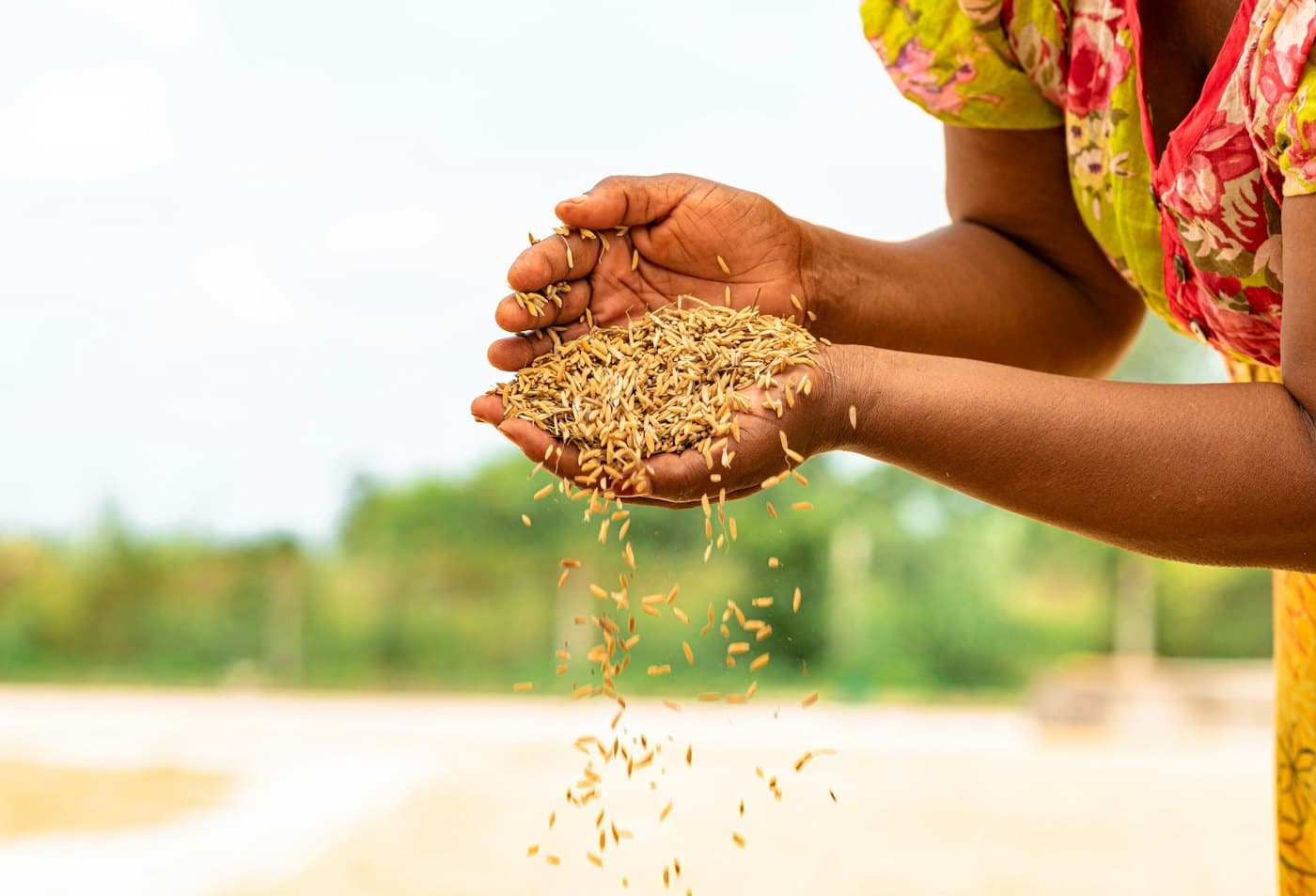
Emergency food aid
Food parcels for families when the harvest fails.
Target$70,134
Donate to emergency food aid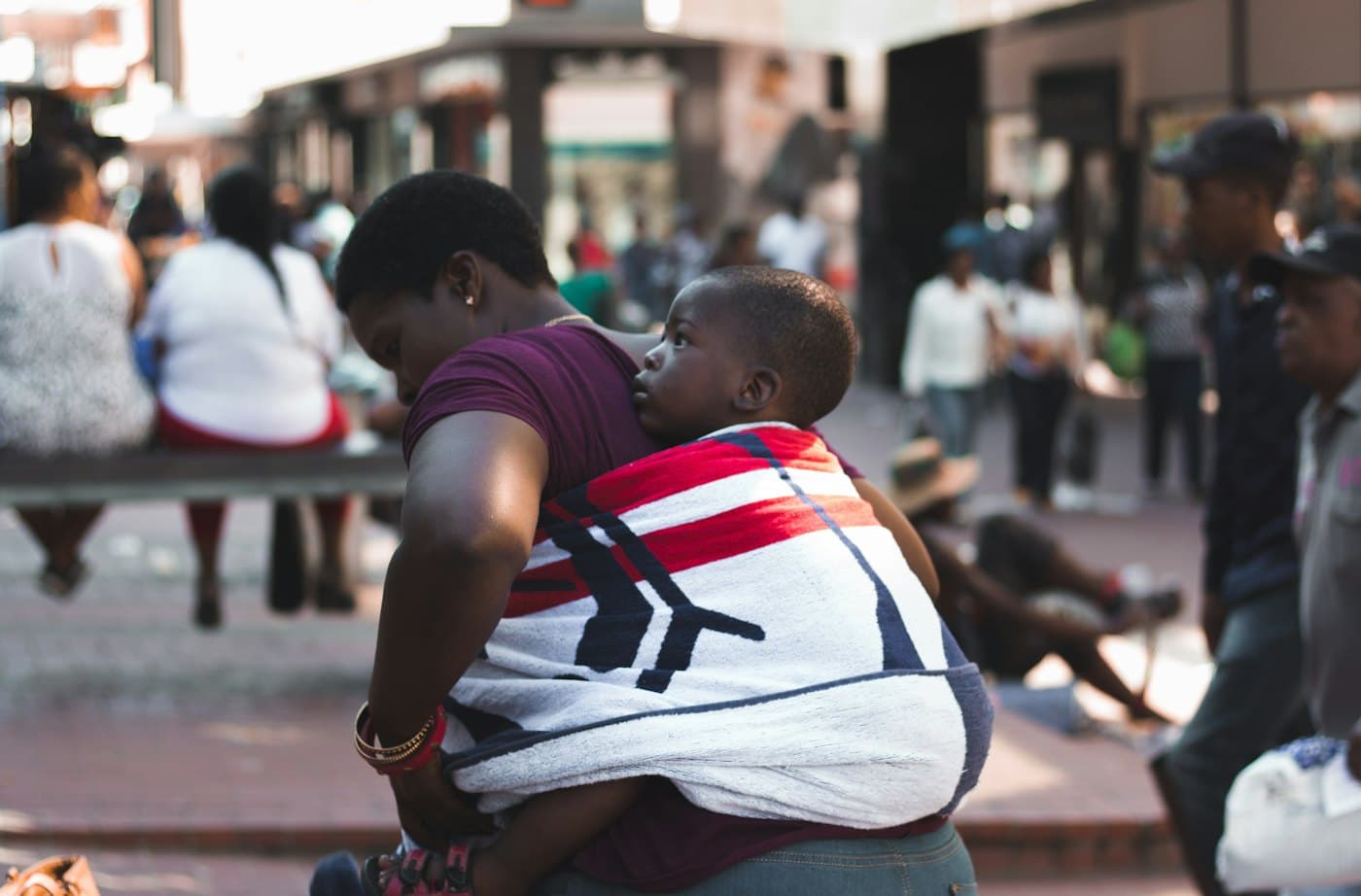
Food and hunger relief
Nutrition programs
Screen and treat malnutrition in children under five.
Target$47,644
Donate to nutrition programsChildren's welfare
School meals
A hot lunch that brings children to class and helps them learn.
Target$73,551
Donate to school meals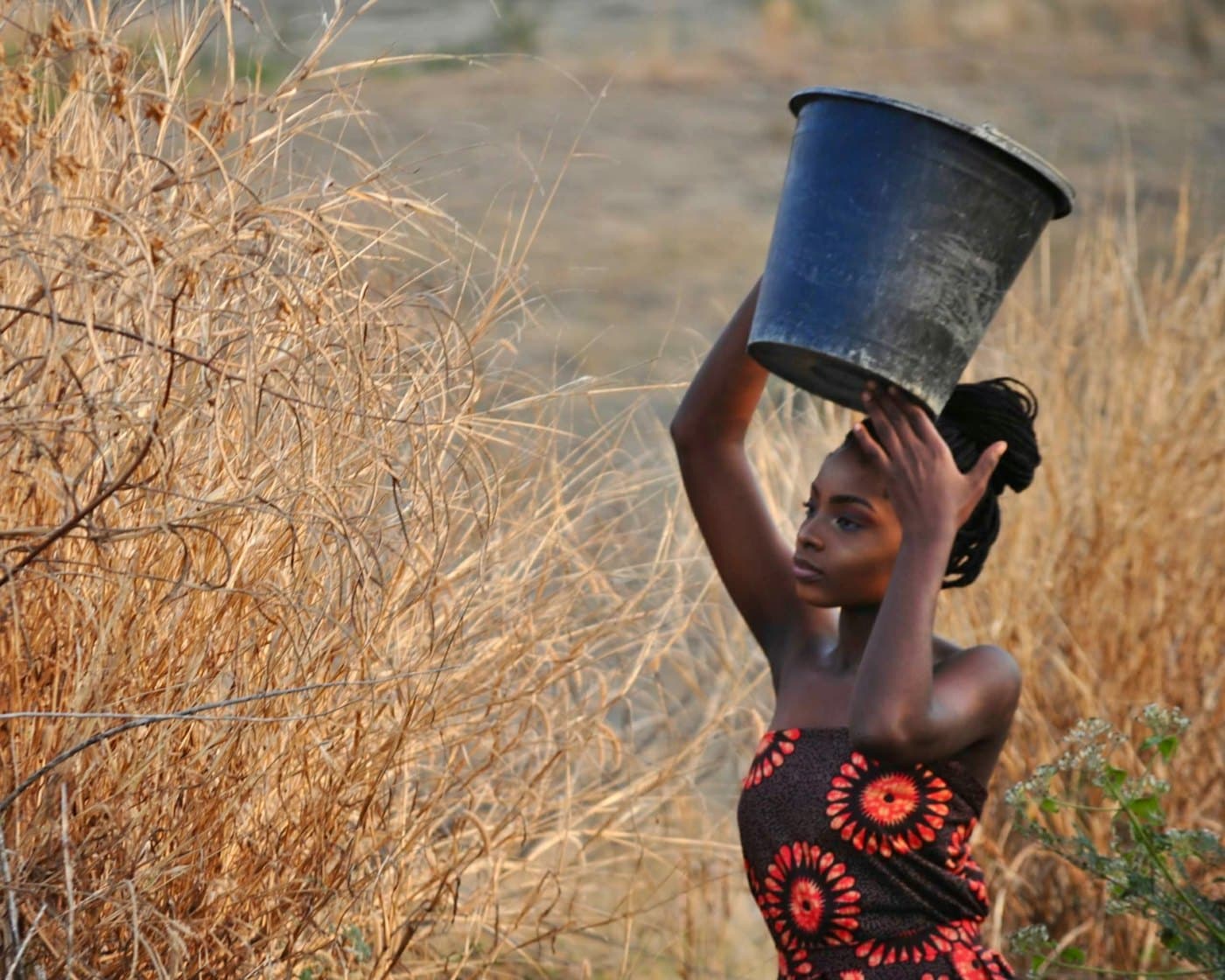
Disaster and humanitarian relief
Drought emergency response
Water trucking, food and livestock support when the rains fail.
Target$63,144
Donate to drought emergency response
More stories
- Donate to Africa to Buy Malaria Prevention Bed Nets from the USA
Donate to Africa to buy malaria prevention bed nets from the USA. $50 buys five treated nets, delivered and hung. Give today with GiveToAfrica.
- Donate to Africa to Provide Microfinance Loans for Women from the USA
Donate to Africa to provide microfinance loans for women from the USA. Fund savings groups and small loans that are repaid and lent again. Give today.
- Donate to Africa to Sponsor Vulnerable Children and Orphans from the USA
Donate to Africa to sponsor vulnerable children and orphans from the USA. Fund food, school and care, and get quarterly reports. Give online today.