Clean water
Sanitation projects
Toilets and handwashing stations for schools and villages.
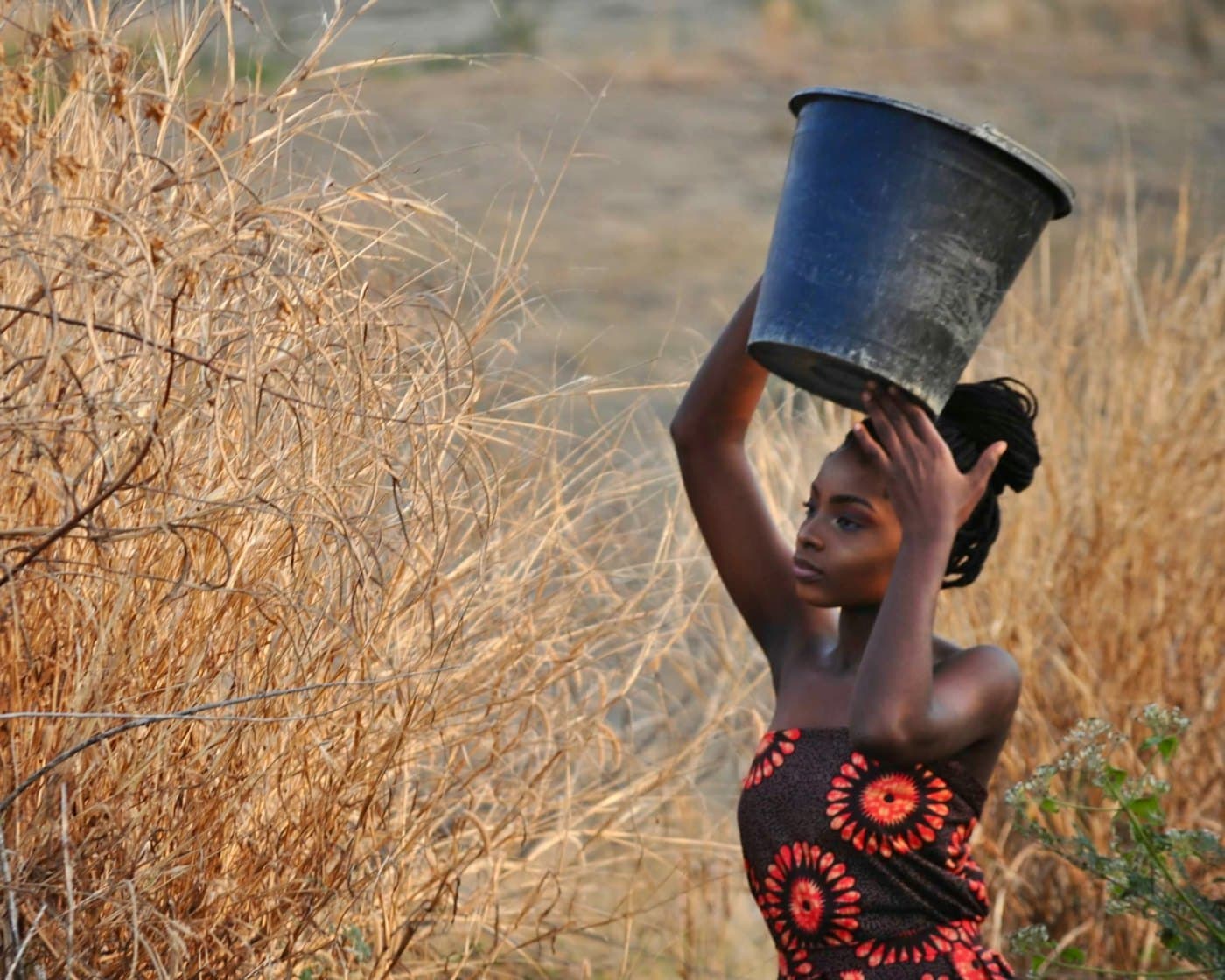
Illustrative photo: Theresa Ude / Unsplash
Objective for the 2026 funding round
Build 10 school latrine blocks with hand-washing stations, giving 4,000 pupils a safe toilet, and help surrounding villages end open defecation.
Who it reaches: Schools without toilets, where girls often stay home, and villages where disease spreads through open defecation.
Target$56,858
Funding for this cause closes in
From $60: handwashing stations with soap for two classrooms.
The need
Without toilets, waste gets into the water supply and disease spreads fast. Girls often miss school during their periods when there is nowhere private to go.
Why give to this cause
- Without a toilet, many girls stay home for several days a month and fall behind in class.
- Sanitation is often overlooked next to water, yet both are needed to keep children healthy.
- Pupil-led hygiene clubs keep facilities clean, and inspections check they are in use.
What your gift does
- $60handwashing stations with soap for two classrooms
- $250menstrual hygiene kits for 50 girls
- $4,500a block of separate girls' and boys' latrines for a school
Where your donation goes
The planned budget for this cause. Every quarter, the field report shows what was actually spent against each line.
- School latrine blocksSeparate, lockable blocks for girls and boys.45%$113 of $250
- Hand-washing stationsTaps, soap and water storage at every block.12%$30 of $250
- Community-led sanitationTrained facilitators helping villages build and use their own latrines.25%$63 of $250
- Hygiene clubsPupil-led clubs that keep facilities clean and stocked.8%$20 of $250
- Monitoring and reportingVillage certification and school inspections.10%$25 of $250
How we do it
- 1
Schools and villages apply; the community contributes labour and local materials.
- 2
Latrines are built to local standards with separate, lockable girls' stalls.
- 3
Hygiene clubs teach handwashing and maintain the facilities.
- 4
We check condition and use at each school visit.
The impact your gift will have
- Pupils have clean, separate toilets at school, which protects their health and dignity.
- Girls no longer miss school during their periods, thanks to private facilities and hygiene kits.
- Handwashing becomes a daily habit, cutting the spread of disease at school and at home.
What we measure and report
Targets for the 2026 funding round. Results against each one are published in the quarterly field report sent to every donor to this cause.
| Measure | Target |
|---|---|
| Latrine blocks built | 10 |
| Pupils with a school toilet | 4,000 |
| Girls receiving hygiene kits | 1,000 |
| Facilities clean and in use at inspection | 90% |
Join in the cause today
Make an impactful change in Africa.
Donate to sanitation projectsFund sanitation projects
Your gift goes to this programme. You'll get an email receipt now and the field report every quarter.
Funding for this cause closes in
Choose an amount
- $60handwashing stations with soap for two classrooms
- $250menstrual hygiene kits for 50 girls
- $4,500a block of separate girls' and boys' latrines for a school
Gifts start at $50. Choose your own amount on the next page.
More clean water causes
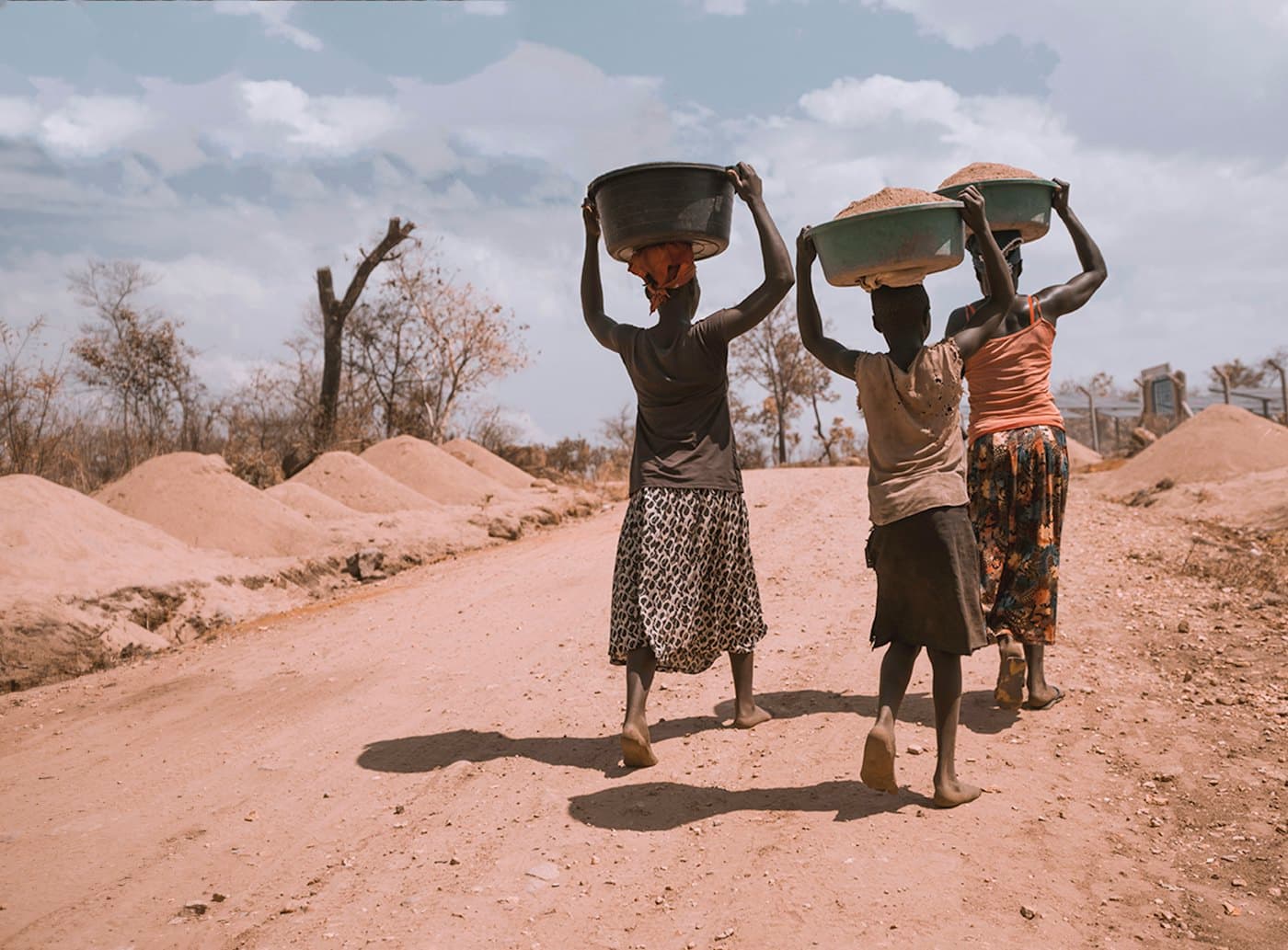 Clean water
Wells and boreholes
Drill a borehole and end the daily walk for water.
$50 clean water for one person for 10 years.
Target$72,201
Donate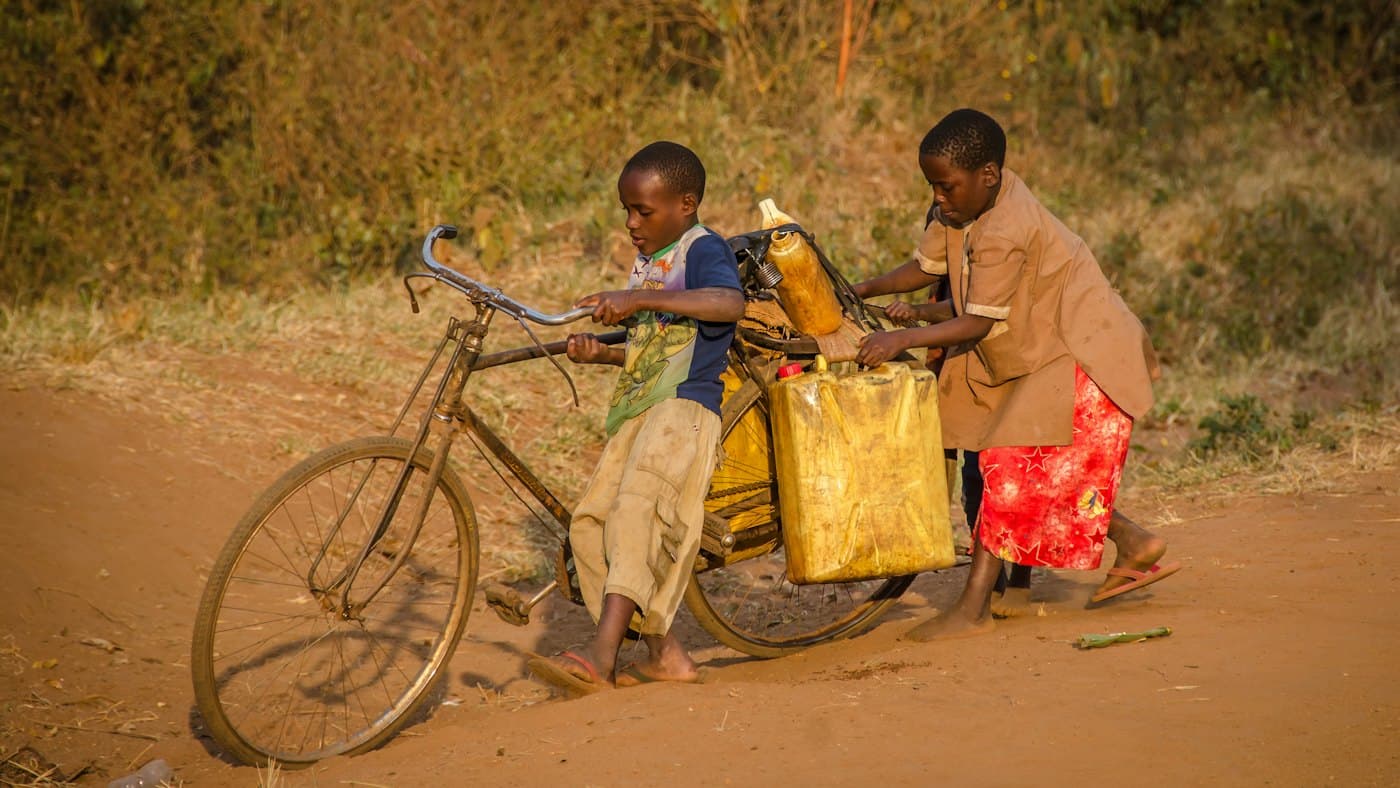 Clean water
Water purification
Household filters that make river and rain water safe to drink.
$80 household water filters for two families of six.
Target$61,655
DonateQuestions donors ask
How much does it cost to build a water well in Africa?
A borehole costs several thousand dollars to drill, test and equip, depending on depth and ground conditions. You don't need to fund a whole well: every gift is pooled toward the next borehole, and the Wells and boreholes page shows what each amount buys.
How do I donate to clean water projects in Africa?
Choose a clean water cause and give online. Choose a cause, enter your amount in US dollars and pay securely by Visa, Mastercard, Apple Pay or cryptocurrency (Bitcoin, Ethereum, USDT and 100+ coins). You get an email receipt straight away and a field report every quarter.
How do you make sure water wells keep working?
Every water point has a trained local committee and a repair fund, and we check that it is still working 12 months after it is built.