Donate to Emergency Relief in Africa: Floods, Drought, Conflict and Refugee Support
How to donate to emergency relief in Africa through a 501(c)(3): flood response, drought water trucking, conflict relief and refugee support. See how fast help arrives and what each gift funds.
GiveToAfrica team · · 11 min read
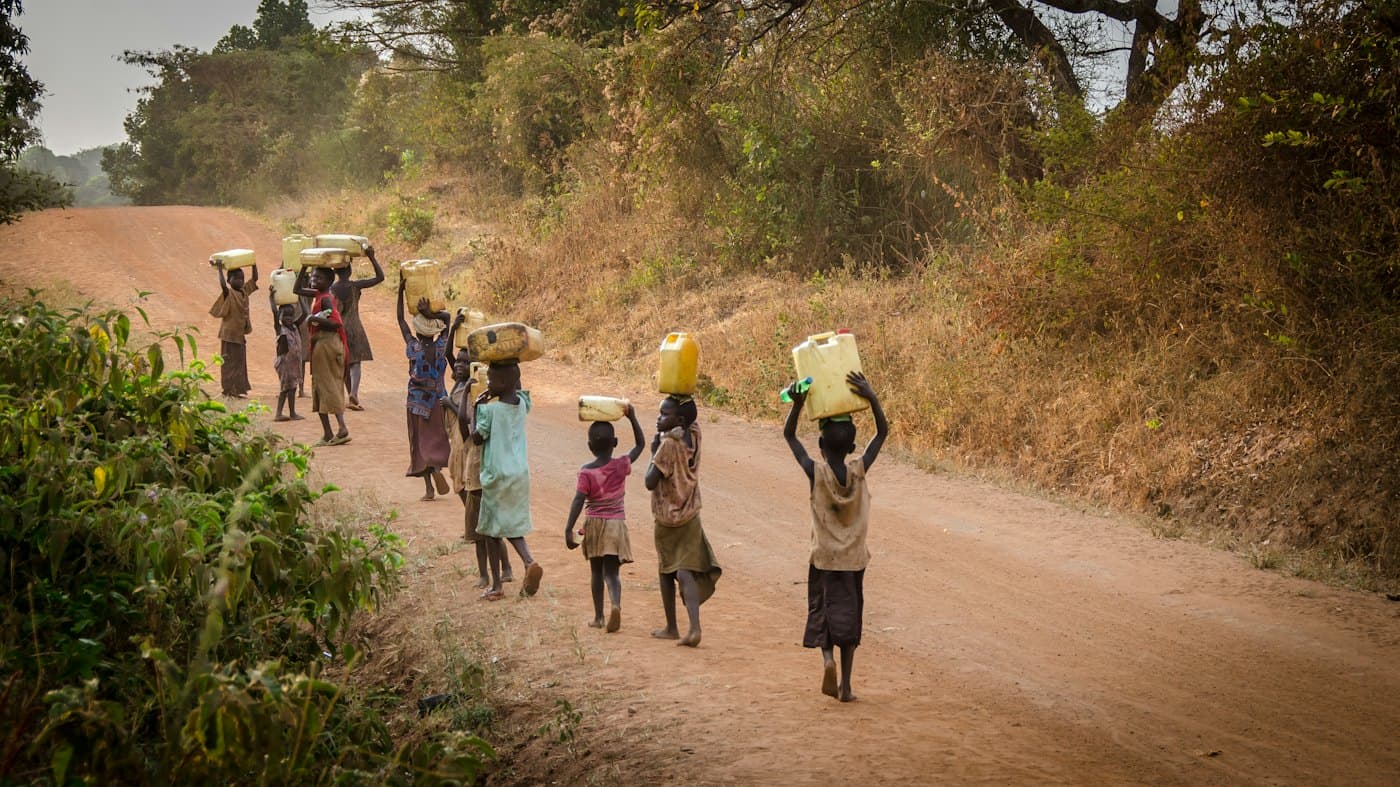
Illustrative photo: Jeff Ackley / Unsplash
When disaster strikes, speed matters. If you want to donate to emergency relief in Africa, you want your gift to reach families in days, not months, and to be spent on what they need most. This guide explains how emergency relief works for floods, drought, conflict and displacement, what it costs, and how to give safely from the United States.
We'll also show how to give through GiveToAfrica, a registered 501(c)(3) nonprofit, EIN 27-3982730. You choose an emergency cause, your gift is recorded against it, and every quarter you receive a field report on who was reached and how quickly.
Why donate to emergency relief in Africa
Emergencies in Africa are often large and long-lasting. For example, UNHCR describes Sudan as the world's largest internal displacement crisis, with about 9.1 million people displaced inside the country at the end of 2025 (UNHCR Global Trends). Millions more have fled to neighbouring countries.
Meanwhile, droughts and floods are becoming more frequent. For instance, the Horn of Africa endured five failed rainy seasons in a row from late 2020, followed by severe flooding in parts of the region.
In each case, the first weeks decide a great deal, especially for young children, older people and pregnant women. Families who get clean water, shelter and food quickly are far more likely to survive and recover. By contrast, families who wait weeks often sell their last assets, such as livestock or tools, just to eat. Therefore, fast, local response is the heart of good emergency relief.
Moreover, emergencies don't end when the news cameras leave. Consequently, the best emergency giving also funds recovery: seed, tools, schooling and a way to earn again.
How GiveToAfrica responds to emergencies
We fund local organisations that are already on the ground when a crisis hits. Many of them have worked in the same districts for years, running clinics, schools or savings groups before the emergency began. They know the area, speak the languages and can reach families faster than outside agencies. As a result, help can begin within days.
Additionally, every emergency cause shows its budget and targets before you give. For example, the flood relief budget puts 30% into emergency shelter, 25% into clean water and hygiene and 25% into food. Meanwhile, 12% funds recovery grants and 8% covers monitoring and your report.
Most importantly, we measure speed. Our flood relief target is under five days from funding to first delivery, and 1,000 families reached in the first two weeks. You can read how we work and why we send field reports.
Why donate through GiveToAfrica
GiveToAfrica is a registered 501(c)(3) nonprofit, EIN 27-3982730. Consequently, gifts from US donors are tax-deductible to the extent allowed by law, and your email receipt arrives as soon as your payment clears.
Furthermore, your gift goes to the cause you choose, and it is spent on that type of emergency. If a cause becomes fully funded, extra gifts go to the next round of the same programme, as our terms explain.
Our Services: emergency relief you can fund in Africa
Emergencies need different help at different stages. Here are seven kinds of emergency relief you can fund through our disaster and humanitarian relief causes.
Emergency shelter after floods
When floods destroy homes, families need shelter immediately. Our flood relief cause provides tarpaulins, blankets, sleeping mats and kitchen sets.
For example, $150 provides a shelter kit with tarpaulin, rope and tools. Our target this round is 600 shelter kits delivered.
Clean water and cholera prevention
After floods, contaminated water can spread cholera within days. Therefore, flood relief also delivers water purification, jerry cans and hygiene kits.
For instance, $80 provides water purification tablets and jerry cans for two families for a month. Similarly, $800 builds an emergency latrine and hand-washing point for a camp. Our target is zero cholera outbreaks in the sites we serve.
Water trucking during drought
When the rains fail, water sources dry up and people and animals begin to suffer. Our drought emergency cause funds water trucking and emergency borehole repairs.
For example, $70 provides two weeks of trucked water for a family, and $2,000 funds a water trucking run for a whole settlement. Our target is 5,000 people receiving water.
Protecting livestock in drought
For pastoralist families, livestock are their savings and their food. Consequently, losing a herd can mean losing everything. Through drought emergency, $120 provides feed to keep a family's breeding goats alive.
Our target is 3,000 breeding animals protected. As a result, families can rebuild their herds when the rains return.
Food and medical care in conflict zones
Conflict cuts families off from food, markets and health care. Our conflict response cause funds food and medical care through local organisations able to reach civilians.
For instance, $50 provides a family food and cooking kit, and $200 funds a mobile clinic day serving about 60 patients. Our target is 4,000 civilians reached and 2,500 medical consultations.
Safe spaces for children
Children in conflict zones often see terrible things and lose months of school. Therefore, conflict response funds safe spaces where children can play, learn and receive support.
For example, $1,500 runs a safe space for children for three months. Our target is 300 children in safe spaces this round.
Support for refugees and displaced families
People forced from their homes need essentials first, then schooling and a way to earn. Our refugee assistance cause supports refugees and the communities hosting them.
For instance, $60 provides hygiene and dignity kits for two women or girls, and $110 pays a term of school for a refugee child. Meanwhile, $450 provides a starter kit and training for a refugee-run small business. Our targets include 3,000 refugees reached and 400 children enrolled in school.
Where each dollar goes
Every emergency cause publishes its planned budget. For example, when you fund conflict response, about 40 cents of every dollar buys food or cash for families. Next, 25 cents funds medical care, and 15 cents supports protection, such as safe spaces and family tracing. Finally, 12 cents covers partner security and logistics, and 8 cents covers monitoring and your report.
Therefore, you know how a $100 gift will be split before you give. Every quarter, the field report compares the plan with what was actually spent.
From emergency to recovery
Emergency relief should lead to recovery, not dependency. Here is how that happens, stage by stage, in the emergency causes you can fund through GiveToAfrica today.
The first days
First, families receive shelter, clean water and food. Our targets focus on speed, such as under five days to first delivery after floods.
The first months
Next, children return to learning, through safe spaces or school places for refugee children. Meanwhile, health workers treat illness and screen children for malnutrition through nutrition programs.
Recovery
Finally, families rebuild. For example, flood recovery grants help families replace seed and tools. Similarly, refugee small business kits help people earn again. Over time, drought resilience projects help communities prepare for the next dry year.
Why cash and local purchasing matter
In many emergencies, the fastest help is cash or mobile-money transfers, where markets still work. Families can then buy exactly what they need, and local traders stay in business.
Where markets have collapsed, partners buy supplies as close as possible to the crisis, often in a neighbouring town or country. Consequently, help arrives faster, costs less and supports the local economy. That is also why we ask for money rather than goods: shipping donated items from the US is slow and expensive.
What a gift to emergency relief in Africa can fund
Here are examples from our current budgets, to help you choose a level.
$50 to $150
A gift of $50 provides a family food and cooking kit in a conflict zone. Meanwhile, $70 provides two weeks of trucked water for a family in drought, and $150 provides a shelter kit after floods.
$200 to $500
At this level, $200 funds a mobile clinic day serving about 60 patients. Similarly, $450 provides a starter kit and training for a refugee-run small business, so a family can earn again.
$800 to $2,000
Larger gifts reach whole communities. For instance, $800 builds an emergency latrine and hand-washing point for a camp, and $2,000 funds a water trucking run for a whole settlement.
Protecting women and girls in emergencies
Women and girls face particular risks in emergencies, from a lack of privacy in crowded camps to a greater risk of violence. Therefore, several of our emergency causes focus on their safety and dignity.
For example, refugee assistance provides hygiene and dignity kits, and funds psychosocial support for survivors of violence. Similarly, conflict response funds safe spaces for women and children. Meanwhile, pregnant women still need safe births during a crisis, which our safe motherhood cause helps provide.
Preparing for the next emergency
The best emergency relief in Africa also reduces the damage next time. For instance, communities with water pans, drought-tolerant seed and grain storage cope far better when the rains fail. You can read more in our guides to supporting farmers in Africa and donating food to Africa.
Similarly, savings groups give families a small cushion when disaster strikes, and early-warning information helps them move livestock or store food in time. As a result, preparation and relief work best together, and every dollar spent before a crisis can save several dollars of relief afterwards.
How to donate to emergency relief in Africa from the USA
Here are the ways US donors most often give in an emergency.
Donate online
The quickest way is our donation page. First, choose a cause such as flood relief. Next, pick an amount; gifts start at $50. Then complete the secure form, and your receipt arrives by email.
Give crypto
Crypto can move quickly across borders. You can give Bitcoin, Ethereum, USDT and more than 100 other coins; see our guide to donating crypto to Africa.
Give monthly to be ready for the next emergency
Emergencies are unpredictable, but they are certain to come. Therefore, monthly gifts to emergency causes mean partners have funds ready before the next crisis. Read our guide to monthly giving to Africa.
Give from a DAF or through your employer
You can recommend a donor-advised fund grant using EIN 27-3982730. Many employers also match emergency gifts; see our guide to company matching and corporate giving.
Supporting emergency relief in Africa from across the United States
Donors respond to African emergencies from every state. Here are some communities with close personal ties.
Minneapolis, Columbus and Seattle
These cities have large Somali, Ethiopian and Eritrean communities, many of whom followed the Horn of Africa drought closely. Consequently, donors there often give to drought emergency relief.
Washington, DC, and Maryland
The Washington, DC, area has large Ethiopian and Sudanese communities, as well as many humanitarian professionals. Similarly, many donors there give to conflict response and refugee assistance.
Houston and the Gulf Coast
Houston and the Gulf Coast know hurricanes and floods first-hand. As a result, many donors there understand why shelter and clean water matter so much, and often fund flood relief.
Omaha and the Midwest
Omaha, Nebraska, and cities across the Midwest have welcomed many refugee families, including from Sudan and South Sudan. Therefore, Midwest donors often support refugee assistance.
Atlanta and Clarkston, Georgia
Clarkston, just outside Atlanta, is widely known as a refugee resettlement hub, and many of its families came from African conflicts. Consequently, donors across metro Atlanta often understand the journey from crisis to a new life. Many support refugee assistance, especially schooling for refugee children and small business kits for parents.
California
California faces wildfires, floods and drought. Consequently, many Californians give to both drought and flood causes in Africa.
How to choose an emergency relief charity for Africa
Emergencies attract scams as well as generosity. Therefore, before you give, ask four questions. Is the charity registered? Does it work through local organisations already on the ground? Does it publish targets for speed and reach? Will it report what happened?
For a wider checklist, read how to choose a charity working in Africa. You can also confirm any US charity's registration in the IRS Tax Exempt Organization Search. Be cautious about appeals that arrive by unsolicited message or social media.
What happens after you give
First, your email receipt arrives as soon as your payment clears. Next, your gift is recorded against the emergency cause you chose and released to local partners as quickly as the situation allows.
Subsequently, partners report deliveries and verify them with community committees. Finally, every quarter, you receive a field report on who was reached, how quickly and what it cost. Where security is a concern, reports protect the identities and locations of the people helped.
Contact GiveToAfrica
We accept donations from all 50 US states and from supporters worldwide. Have a question before you give? Email donations@givetoafrica.net, use our contact form, or tap the WhatsApp button on this page. We reply within two working days. See our privacy policy.
Frequently asked questions
How quickly does emergency relief reach families?
Our flood relief target is under five days from funding to first delivery, and 1,000 families reached in the first two weeks. Where roads are cut or security is poor, it can take longer, and the report explains why.
Should I send goods or money?
Money is almost always better, except in rare cases where a partner asks for specific donated equipment. Local partners can buy what families need close to the crisis, faster and more cheaply, and local markets stay open.
Are emergency relief donations tax-deductible?
Yes. GiveToAfrica is a registered 501(c)(3), EIN 27-3982730, so gifts from US donors are tax-deductible to the extent allowed by law. Your email receipt is valid for your tax records.
Can I help refugees from Sudan and other conflicts?
Yes. Our refugee assistance and conflict response causes support people forced from their homes, with essentials, schooling, medical care and ways to earn a living.
What happens after the emergency is over?
Recovery continues. Flood recovery grants replace seed and tools, refugee families start small businesses, and drought resilience projects help communities prepare for the next dry year.
Ready to donate to emergency relief in Africa?
Choose a cause from our disaster and humanitarian relief area or all 38 causes, then give on our donation page. If you have a question first, contact our team.
Donate directly to a cause in this guide
Choose a cause and your gift goes straight to it. Gifts start at $50, and are tax-deductible in the United States.
Disaster and humanitarian relief
Flood relief
Shelter, clean water and food for families who lost their homes to floods.
Target$62,871
Donate to flood relief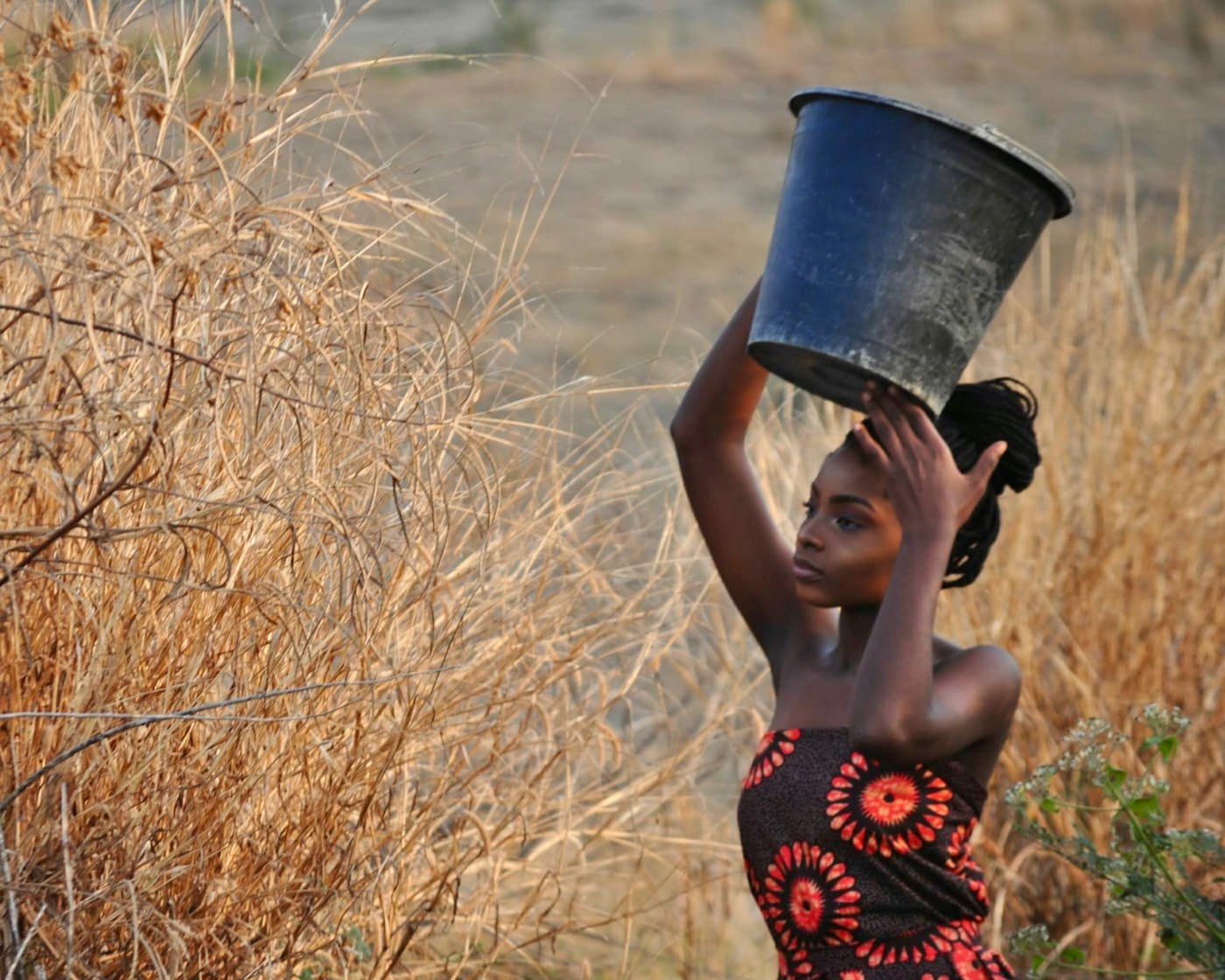
Disaster and humanitarian relief
Drought emergency response
Water trucking, food and livestock support when the rains fail.
Target$63,144
Donate to drought emergency response
Disaster and humanitarian relief
Refugee assistance
Essentials, schooling and trauma support for families who had to flee.
Target$73,403
Donate to refugee assistance
Disaster and humanitarian relief
Conflict response
Food, medical care and protection for civilians caught in conflict.
Target$76,282
Donate to conflict response
More stories
- Best 501(c)(3) Charities to Donate to Clean Water Wells in Africa: What to Look For in 2026
How to find the best 501(c)(3) charities to donate to clean water wells in Africa. Eight criteria that separate lasting water projects from broken pumps, and how GiveToAfrica measures up.
- Donate to Clean Water Wells in Africa: How Borehole Projects Work and What Your Gift Funds
How to donate to clean water wells in Africa through a 501(c)(3). See what a borehole costs, what keeps it working, and fund a water project directly.
- How to Donate to Africa from the USA: Every Way to Give, and Where Your Money Goes
A practical guide to donate to Africa from anywhere in the United States. Choose a cause, give tax-deductibly to a 501(c)(3), and see exactly what your gift does.