How to Donate to Africa to Build Solar-Powered Water Systems from the USA
Learn how to donate to Africa to build solar-powered water systems from the USA. Fund wells, filters and toilets, and see where your gift goes. Give today.
GiveToAfrica team · · 12 min read
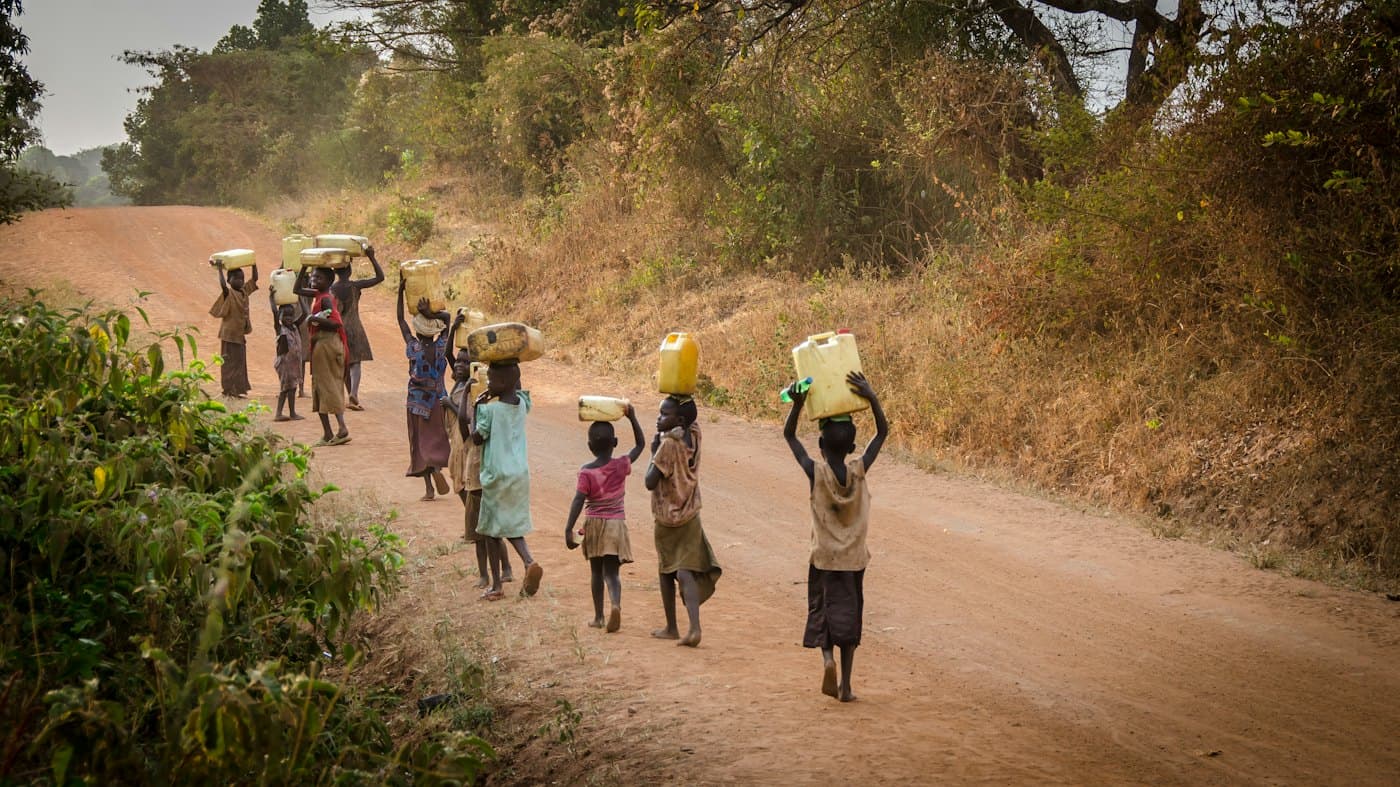
Illustrative photo: Jeff Ackley / Unsplash
If you are searching for how to donate to Africa to build solar-powered water systems, you probably want two things. First, you want your gift from the USA to end a long daily walk for water. Second, you want a system that keeps running without costly fuel.
This post explains how giving works, what GiveToAfrica funds today, and which questions to ask about solar power. Additionally, it shows how to check that a water project will still work years from now. A shiny pump photo is never enough.
First, an honest note. The pages we reviewed describe borehole wells, household water filters and school toilets, backed by tested water and local repair committees. However, they do not promise a solar pump on every project. Therefore, this article explains solar in general terms and shows you how to ask before you give.
Why Solar-Powered Water Systems Matter for African Villages
Water is the first need in any village that lacks it. When a family has no safe source nearby, children walk long distances and often drink from rivers or ponds. As a result, illness and missed school days follow.
Power is the second problem. A borehole that depends on a diesel engine also depends on fuel, and fuel costs money every week. Moreover, fuel has to be carried to the site, which is hard in remote places. Solar panels offer another route, because sunshine is free once the equipment is installed.
How a Solar Water System Works in Simple Terms
A typical solar water system has four parts. Panels collect sunlight and feed a pump. The pump lifts water from a borehole into a raised tank, and gravity then sends it to taps or a collection point.
However, details vary from place to place. Depth, rainfall, local suppliers and village size all change the design. For that reason, no single blueprint suits every community.
Why Donors in the USA Ask About Solar
Many donors like solar because it cuts running costs. Others like it because it reduces noise and fumes. Meanwhile, some worry that solar equipment is harder to repair than a simple hand pump.
That is a fair concern. In fact, it is the most important question to ask about any solar project. We return to it in the checklist below.
What Happens When a Water Pump Breaks
Every pump breaks eventually. Hand pumps wear out, engines fail and electronic parts burn out. The real test is what happens next.
If nobody is trained and no money is set aside, families go back to the river. Consequently, a well that cost thousands to build can sit idle for months. That is why repair committees matter as much as the hardware itself.
How to Donate to Africa to Build Solar-Powered Water Systems: Step by Step
The process is simple. You choose a water cause, ask your questions, and give by card or crypto. Then you wait for your receipt and your reports. Each step takes only a few minutes.
Step One: Choose a Water Cause
Start on the Clean water in Africa page. It lists wells and boreholes, water purification and sanitation projects. Each cause shows what a gift buys and a funding target.
For example, $50 provides clean water for one person for 10 years. Similarly, $80 buys household water filters for two families of six. These are the amounts shown on those pages.
Step Two: Ask About Solar Power
Next, write to donations@givetoafrica.net. Ask whether a solar pumping option can be part of the borehole project you want to support. The pages we reviewed do not state this either way, so a direct question is the honest approach.
Furthermore, ask how the pump will be maintained. A good answer mentions a trained local mechanic and a repair fund. If an answer sounds vague, keep asking. You can also reach the team through the contact page.
Step Three: Give and Keep Your Receipt
When you are ready, open the Make a gift page. You can give by Visa, Mastercard, Apple Pay or crypto. Afterwards, you receive an email receipt.
Keep that receipt safe. Additionally, watch for the quarterly reports that follow, since they show how the cause is progressing.
Three Simple Ways to Plan Your Gift
Not every donor has the same budget, and that is fine. The causes list gift levels so you can match your giving to your goals. For instance, a first-time donor might give $50 toward clean water for one person for 10 years.
A donor thinking about families could give $80 for household water filters. Likewise, someone who cares about schools could give $60 for handwashing stations with soap for two classrooms. Each of these amounts comes straight from the cause pages.
What GiveToAfrica's Water Causes Fund Today
Before you give, you should know what each water cause pays for. The Clean water page groups three causes. In total, the 2026 funding round targets $190,714 across them.
Wells and Boreholes for Villages
The wells and boreholes cause funds borehole wells that bring safe water to African villages. Its target is $72,201. Every well comes with tested water, a local repair committee and a check after 12 months.
Consequently, your gift buys more than a hole in the ground. It pays for the work that keeps water flowing. If you want a deeper look, read how borehole projects work and what your gift funds.
Household Water Filters and Purification
Not every family lives near a well. For those who drink from rivers, ponds or unprotected sources, water purification is a faster fix. The 2026 round funds household filters and trains each household to use and clean them.
The target is $61,655. In fact, filters can reach homes that a borehole never will. Fewer sick children and follow-up visits are the stated goals.
Sanitation Projects for Schools and Villages
Clean water also needs clean toilets nearby. The sanitation cause funds toilets and handwashing stations for schools and villages. Moreover, $60 pays for handwashing stations with soap for two classrooms.
Its target is $56,858. For this reason, many donors pair a well with a school toilet gift.
What to Check Before You Give to Any Water Project
Good intentions are not enough in water work. Broken pumps are common, and they tend to share the same causes. Our post on the best 501(c)(3) charities for clean water wells lists eight criteria. Here are the ones that matter most when you want solar power.
A Survey Before Drilling
A charity should survey before it drills. Otherwise, a well may hit poor water or sit where few people can reach it. Additionally, licensed local contractors should do the work.
This matters for solar too. Panels need a sunny, safe spot, and the tank must sit where people can use it. Therefore, ask who chooses the site and how.
Water Testing and Local Ownership
Water should be tested, not assumed safe. Next, a trained water committee and mechanic should look after the system. A repair fund then covers breakdowns.
This matters even more with solar equipment. Panels need cleaning, and controllers and pumps eventually need replacing. For instance, a village that cannot buy a spare part may go without water for months. Therefore, ask who is trained and who pays when a part fails.
Cloudy Days, Dry Seasons and Storage
Solar pumps work hardest in strong sunlight. On dull days they lift less water. Many designs therefore store water in a raised tank, so families can draw from it after the sun goes down.
However, details vary by site. Ask how the project plans for storage and for the dry season. A thoughtful answer shows that the team has planned for real village life, not just for a photo on opening day.
Reports You Can Read
Finally, look for regular reporting. GiveToAfrica states that results are reported every quarter. For example, the Healthcare and Clean water pages both mention this practice.
Reports let you see progress without travelling. Likewise, they give you a reason to ask follow-up questions by email.
Donating from Across the USA
You do not need to live near any particular city to help. Anyone who wants to know how to donate to Africa to build solar-powered water systems can start from home, anywhere in the USA. The site is built for American givers and uses US dollars ($).
Tax-Deductible Giving in the USA
GiveToAfrica's blog describes giving through a registered 501(c)(3). That is the usual route to a tax deduction in the USA. However, tax rules differ for each person, so check with your adviser.
Additionally, keep your emailed receipt with your records. It makes the paperwork easier at tax time.
Other Ways to Give from the USA
Cards are the quickest option. In addition, larger donors have other routes. Read about stocks, wire transfers, ACH and checks, or about giving with a donor-advised fund.
Crypto holders can also help. You can give Bitcoin, Ethereum, USDT and 100+ coins through NOWPayments. Our post on how to donate Bitcoin and crypto to Africa explains the steps.
Service Area and Nearby Communities
Donors from every state and community in the USA are welcome. Because the gift is made online, your location changes nothing about the process. Furthermore, you can make a gift at any hour.
If you prefer a conversation first, email donations@givetoafrica.net. You can also read how we work to see how projects are planned with local partners.
Pairing Water Gifts with Schools, Health and Food
Water rarely works alone. A new well changes what a village can do next. Consequently, many donors fund a second cause beside it.
Water and School Construction
Schools need safe water and toilets. Likewise, new classrooms need handwashing stations. The school construction cause builds safe classrooms inspected by engineers, and the Build schools in Africa page shows related causes.
There is also a solar link here. The Books and computers cause includes solar-powered computer labs. Meanwhile, $60 buys sets of core textbooks for two pupils.
Water and Health
Clean water lowers the burden on clinics. Meanwhile, the medical clinics cause keeps rural clinics staffed, stocked with medicine and powered. See also the broader Healthcare in Africa page.
Healthy children also attend school more often. As a result, a water gift can support learning and health at the same time.
Water and Food
Drought hits farms and wells together. For that reason, food and hunger relief and Support farmers in Africa sit naturally beside a water gift. Our post on donating food to Africa covers hunger relief in more depth.
Common Mistakes When Donating for Water
A few errors come up again and again. Avoiding them protects your gift. Most are easy to fix with one email.
Assuming Solar Is Included
Do not assume a project includes solar panels. Always ask first. In this post we have kept to what the pages state.
Similarly, do not assume that solar is always the best fit. In some places a simple hand pump is easier to repair. Therefore, ask the team which option suits the site.
Choosing by Photo Alone
A photo shows a pump on its first day. It says nothing about year five. Instead, look for testing, training and a follow-up check.
Moreover, a smiling child in a photo is not proof of results. Reports, receipts and clear answers to your questions are far better evidence.
Forgetting the Smaller Gifts
Small gifts matter too. A $50 gift reaches one person for 10 years. Additionally, you can give monthly or share a cause with friends. You can browse every option on the Causes page.
Next Steps: Give or Ask a Question
You can act today. Open the Make a gift page and pick a water cause. Alternatively, email donations@givetoafrica.net with your solar question.
Learn more about how we work, or visit the blog stories page and the GiveToAfrica homepage. Our post on how to donate to Africa from the USA is another good starting point.
Our Water Donation Services in the USA
These are the offerings US donors can use when giving for water and related needs. Each page shows what a gift buys. Check each one for the latest details.
Wells and Boreholes in the USA
Wells and boreholes funds borehole wells that bring safe water to African villages. Water is tested, and local repair committees look after the pump.
A check is made after 12 months. Moreover, the target for the 2026 round is $72,201. Ask us about solar options before you give, since the page does not state them.
Water Purification in the USA
Water purification gives families household filters for safe drinking water. The goal is fewer sick children and follow-up visits to check use.
A gift of $80 buys filters for two families of six. In addition, the cause targets $61,655. It suits donors who want to reach families far from any well.
Clean Water in Africa from the USA
The Clean water in Africa page gathers water causes in one place. You will find wells, filters and school toilets here.
It also links to stories and articles. Therefore, it is a helpful first stop for new donors. Tested water and local repair committees are part of the approach.
Clean Water Giving in the USA
The Clean water cause page covers wells, filters and sanitation together. It shows the overall 2026 target of $190,714.
Quarterly reports and local repair committees are part of the approach. Likewise, you can split a gift between causes if you wish to support more than one need.
Drought Emergency Response in the USA
Drought emergency response provides water, food and livestock support to families in drought emergencies. It suits donors who want faster relief.
For instance, a gift of $70 is one of the amounts shown. The target is $63,144. Consequently, it pairs well with a longer-term well gift.
Flood Relief in the USA
Flood relief gives shelter, clean water and essentials to families hit by floods within days. Floods can ruin wells, so this cause often links to water needs.
Its target is $62,871. In fact, $80 is one of the listed gift levels.
Donate Crypto to Africa from the USA
Donate crypto to Africa lets you give Bitcoin, Ethereum, USDT and 100+ coins through NOWPayments. You choose a cause, such as wells and boreholes, and receive an email receipt.
This route suits donors who hold crypto and want a quick, clear process. Additionally, the same causes are open to you as to card donors.
Frequently Asked Questions
How do I donate to Africa to build solar-powered water systems?
Choose a water cause on the Clean water page, then email donations@givetoafrica.net to ask whether solar pumping can be part of your borehole gift. Next, give by card or crypto. You will receive an email receipt afterwards.
Does GiveToAfrica build solar-powered water systems?
The pages we reviewed describe boreholes, household filters and school toilets with tested water and local repair committees. They do not state that solar pumps are included. Therefore, ask by email before you give.
How much does it cost to give clean water in Africa?
Gifts start small. $50 provides clean water for one person for 10 years, and $80 buys household water filters for two families of six. In addition, $60 pays for handwashing stations with soap for two classrooms.
Can I donate to clean water from anywhere in the USA?
Yes. Donors anywhere in the USA can give online by Visa, Mastercard, Apple Pay or crypto. The site uses US dollars ($) and sends an email receipt. Larger gifts by stock, wire or donor-advised fund are described on the blog.
How do I know a water project keeps working?
Look for tested water, a trained local committee and a repair fund. GiveToAfrica describes tested water, local repair committees and a check after 12 months for boreholes. Reports are shared every quarter.
Donate directly to a cause in this guide
Choose a cause and your gift goes straight to it. Gifts start at $50, and are tax-deductible in the United States.
Clean water
Wells and boreholes
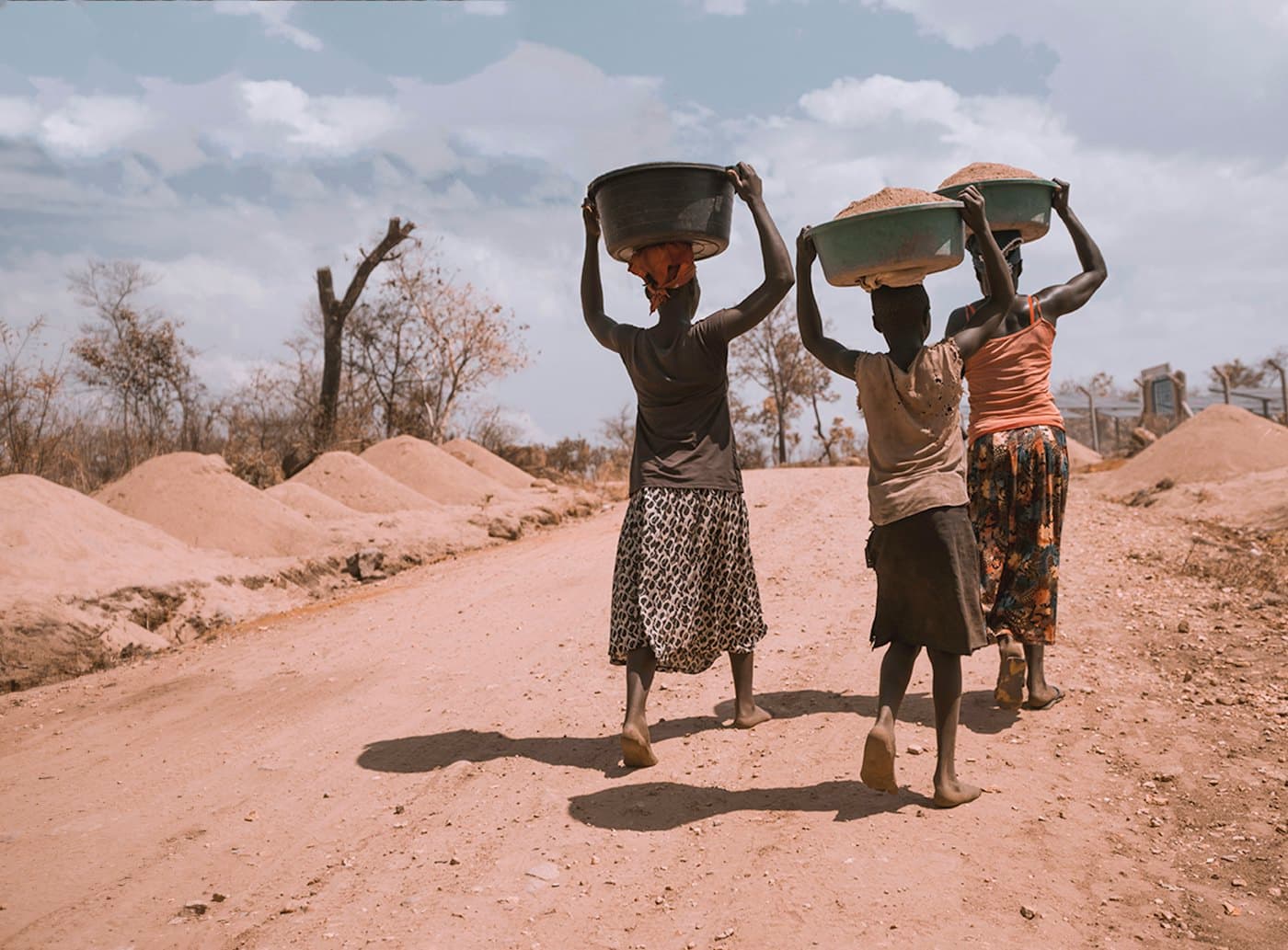
Drill a borehole and end the daily walk for water.
Target$72,201
Donate to wells and boreholes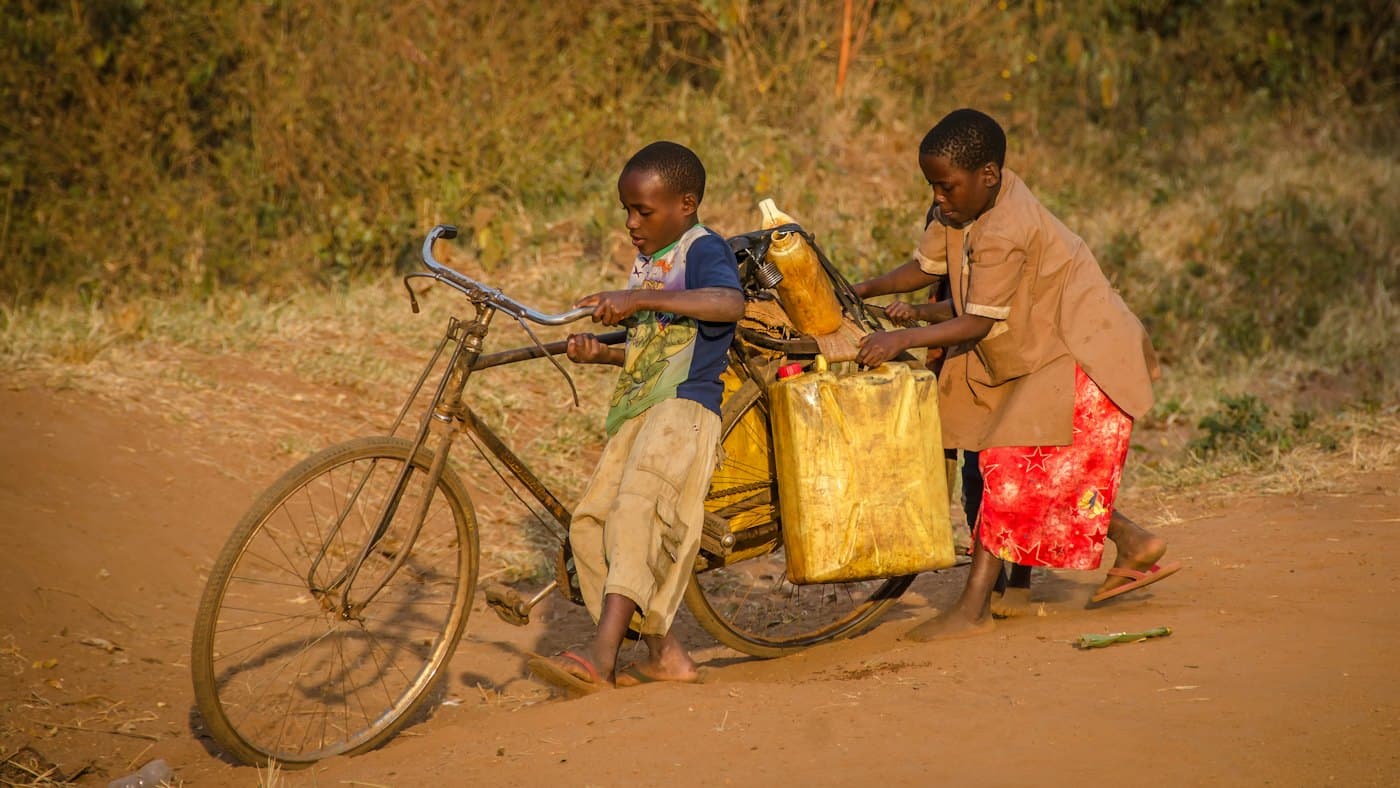
Clean water
Water purification
Household filters that make river and rain water safe to drink.
Target$61,655
Donate to water purification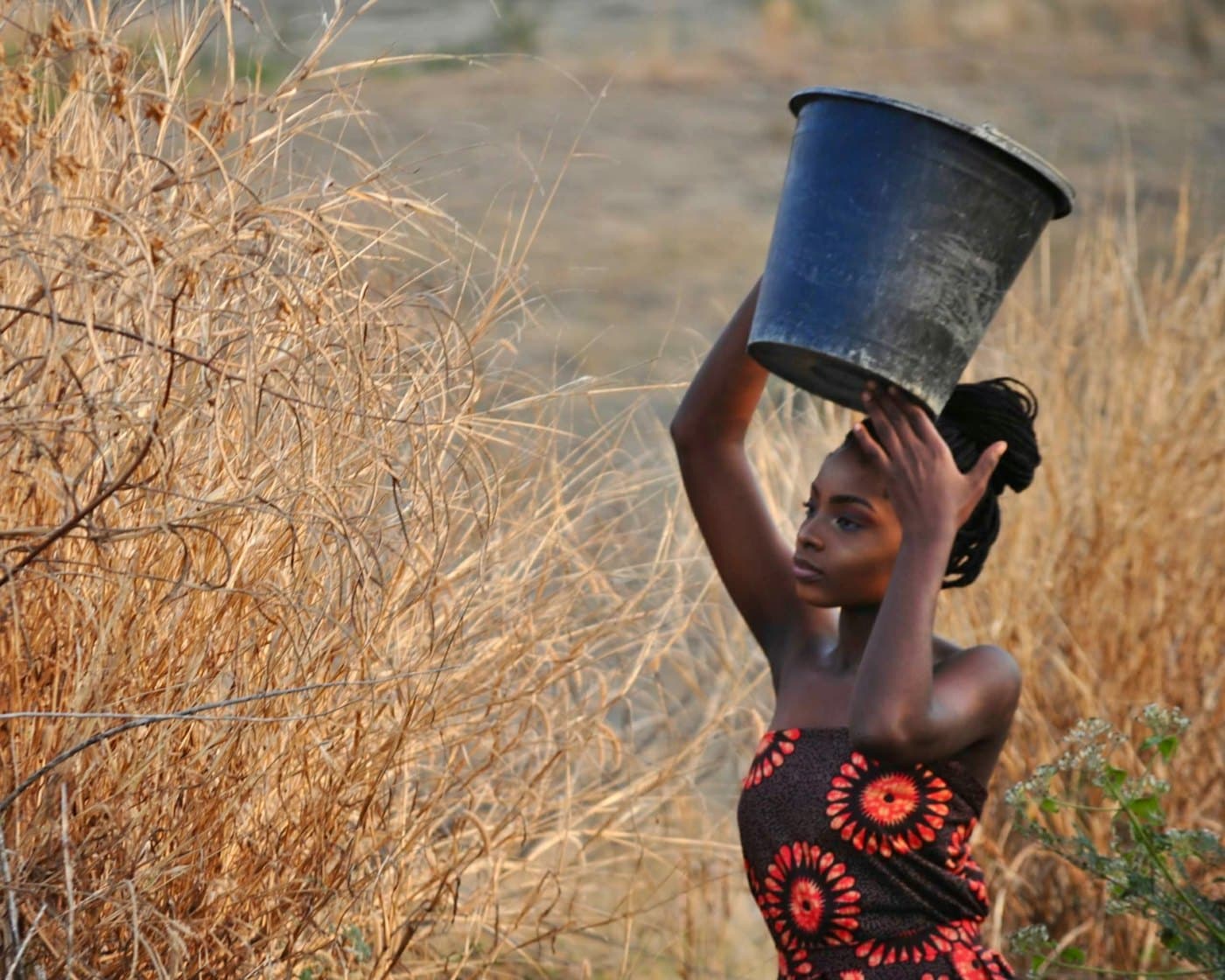
Clean water
Sanitation projects
Toilets and handwashing stations for schools and villages.
Target$56,858
Donate to sanitation projects
More stories
- Donate to Africa for Emergency Food Aid and Famine Relief from the USA
Donate to Africa for emergency food aid and famine relief from the USA. Give tax-deductibly, see where your gift goes and help feed families today.
- Donate to Africa to Buy Malaria Prevention Bed Nets from the USA
Donate to Africa to buy malaria prevention bed nets from the USA. $50 buys five treated nets, delivered and hung. Give today with GiveToAfrica.
- Donate to Africa to Provide Microfinance Loans for Women from the USA
Donate to Africa to provide microfinance loans for women from the USA. Fund savings groups and small loans that are repaid and lent again. Give today.