Support Farmers in Africa: Fund Seed, Irrigation, Grain Storage and Farmer Training
How to support farmers in Africa through a 501(c)(3): improved seed, irrigation, grain silos, drought-resilient farming and farmer cooperatives. See what each gift buys.
GiveToAfrica team · · 11 min read
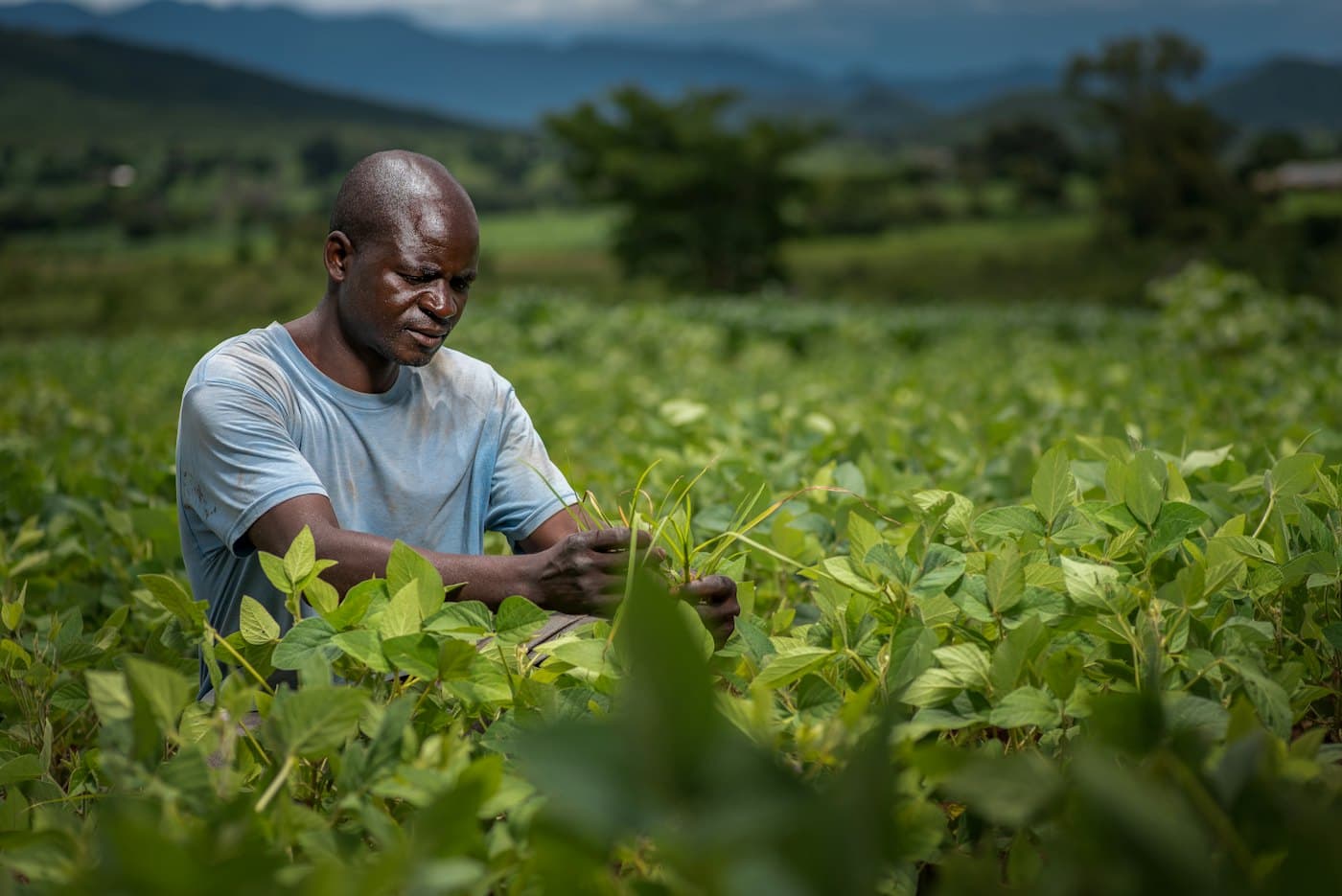
Illustrative photo: Richard Nyoni / Unsplash
If you want to support farmers in Africa, you are funding the most lasting answer to hunger. Most rural families farm small plots, and a better harvest feeds a family all year. This guide explains which farming projects do the most good, what they cost, and how to give safely from the United States.
We'll also show how to give through GiveToAfrica, a registered 501(c)(3) nonprofit. You choose a farming cause, your gift is recorded against it, and every quarter you receive a field report on yields, harvest losses and farm income.
Why support farmers in Africa
Smallholder farmers grow much of the food eaten across Africa. However, many work with poor seed, no irrigation and nowhere safe to store their harvest. As a result, a family can grow enough food in a good year and still go hungry in the months before the next harvest.
Weather makes it harder. For example, the Horn of Africa endured five failed rainy seasons in a row from late 2020, the region's worst drought in 40 years (UN OCHA). Crops failed and livestock died across Ethiopia, Kenya and Somalia.
However, the solutions are practical and affordable. Drought-tolerant seed, simple irrigation, hermetic grain bags and farmer training can transform a small farm. Therefore, when you support farmers in Africa, your gift keeps working season after season.
Moreover, most of the farmers who benefit are women. In many rural areas, women grow most of the family's food. Consequently, farming support is also one of the best ways to support women and children.
Why support farmers through GiveToAfrica
Many farming appeals ask you to "buy a goat" or "plant a tree" without showing the whole picture. We work differently. Instead, every farming cause shows its full budget and targets before you give.
For instance, the agriculture budget puts 35% into seed, fertiliser and tools, and 25% into farmer training. Meanwhile, 15% funds irrigation, 15% builds links to buyers, and 10% covers monitoring and your report.
Additionally, GiveToAfrica is a registered 501(c)(3) nonprofit, EIN 27-3982730. Consequently, gifts from US donors are tax-deductible to the extent allowed by law, and your email receipt arrives as soon as your payment clears.
Most importantly, we measure harvests, not handouts. Our targets include a 50% increase in yield per acre and a 60% fall in post-harvest losses. You can read why we send field reports and how we work.
Our Services: farming projects you can fund in Africa
A better harvest needs good seed, water, skills, storage and a fair market. Here are seven farming projects you can fund through GiveToAfrica, each linked to a cause you can give to directly.
Improved seed and fertiliser for family plots
Good seed is the foundation of a good harvest. Our agriculture cause provides quality seed, fertiliser and basic tools at planting time.
A gift of $70 buys improved seed and fertiliser for two family plots. As a result, a family can grow more food on the same land. Our target this round is 900 farmers trained and supplied.
Drought-tolerant seed for dry regions
In areas where the rains fail every few years, ordinary seed is a gamble. Therefore, our drought resilience cause gives farmers seed varieties bred to survive dry spells.
For example, $60 buys drought-tolerant seed for two farm plots. Our target is a 40% increase in dry-season harvest for the 800 farmers supported.
Drip irrigation and water pans
Water turns a one-season farm into a year-round one. Our drought resilience cause funds simple irrigation and rainwater storage.
A gift of $250 provides a drip irrigation kit for a family garden. Meanwhile, $5,000 builds a community water pan that stores rain for the dry season. Consequently, families can grow vegetables when prices are highest.
Similarly, the agriculture cause funds treadle pumps and drip kits for dry-season crops.
Grain storage silos and hermetic bags
Many farmers lose a large share of their harvest to insects, rats and damp after it is picked. Therefore, safe storage is one of the most cost-effective farming gifts.
A gift of $180 provides a grain storage silo that stops harvest losses. Our target is to cut post-harvest losses by 60%. As a result, families have food for more months of the year, and they can sell when prices are better.
Farmer field schools and training
Farmers learn best from other farmers, especially when they can see results on a neighbour's plot. Our agriculture cause runs farmer field schools and demonstration plots, where neighbours try new methods together.
For instance, $2,500 funds a year of training for a 30-member farmer group. In addition, the drought resilience cause teaches conservation farming, which keeps moisture in the soil. Our target is that 75% of farmers are still using the new methods after two seasons.
Farmer cooperatives and market links
A good harvest only helps if farmers can sell it at a fair price. Therefore, part of the agriculture budget helps farmers form cooperatives, store produce together and find buyers.
Selling together gives farmers more bargaining power. Consequently, our target is a 40% increase in farm income, not just a bigger harvest.
Savings and credit for farming families
Farmers often need cash at planting time, months before they are paid. Our microfinance cause starts savings groups and makes small loans at fair terms.
For example, $50 buys lockboxes and record books for two savings groups, and $150 funds a first loan for a small trader. Similarly, small business grants help farming women start side businesses, such as selling vegetables or processed food.
What about gifting a goat or chickens?
Many donors search for ways to give livestock, such as goats or chickens, to an African family. It is an appealing idea. However, GiveToAfrica does not run a "buy a goat" gift catalogue, and it is worth explaining why.
First, an animal is only the start. It also needs feed, water, vaccinations and a vet when it falls ill. Without those, a gifted animal can die in its first dry season. Second, local markets already sell livestock, so buying locally, when the family is ready, is usually cheaper and healthier for the animal.
Instead, we fund livestock in ways that last. For example, during drought our drought emergency cause provides feed to keep a family's breeding goats alive for $120. That protects the herd a family already has. Similarly, women who receive small business grants can choose to start a poultry or small-livestock business, with training and a mentor to help it succeed.
As a result, the animals are chosen by the family, bought locally and backed by the skills to keep them healthy.
Farming, climate and the land
Farming in Africa is changing as the climate changes. Rains are less predictable, and droughts and floods are more frequent. Therefore, the most useful farming support helps families adapt.
For instance, conservation farming keeps more moisture in the soil, and water pans store rain for the dry season. Drought-tolerant seed reduces the risk of total crop failure. Meanwhile, grain storage means a good year can carry a family through a bad one.
Healthy land also matters beyond the farm. Our national parks cause funds tree seedlings and habitat restoration around protected areas, and helps communities earn from conservation. Consequently, farming and conservation can support each other instead of competing for land.
If you want to go further, read our guides to donating food to Africa and small business grants for women in Africa. Both show how better farming connects to food security and income.
Where each dollar goes when you support farmers in Africa
When you support farmers in Africa through our drought resilience cause, the planned budget is clear. About 30 cents of every dollar buys seed and tools. Next, 28 cents funds water harvesting, and 20 cents pays for farmer training. Finally, 12 cents buys grain storage, and 10 cents covers monitoring and your report.
Therefore, you know how a $100 gift will be split before you give. Every quarter, the field report compares that plan with what was actually spent. If seed prices rise, the report says so.
What better farming changes
Farming gifts show their value over several seasons. Here is what we measure and report on.
More months of food
The first sign of success is a shorter hungry season. When harvests are bigger and storage is safe, families have food for more of the year. Consequently, they rely less on emergency food aid.
Better nutrition for children
When families grow vegetables and keep more grain, children eat better. Therefore, farming support works hand in hand with nutrition programs and school meals. Many school meal programmes also run school gardens.
Income for school fees and health care
Finally, surplus harvests become income. Families use that income to pay school fees and clinic costs. As a result, a farming gift often shows up later as children staying in school.
How to support farmers in Africa from the USA
Here are the ways US donors most often fund farming in Africa.
Donate online
The quickest way is our donation page. First, choose a cause such as agriculture. Next, pick an amount; gifts start at $50. Then complete the secure form, and your receipt arrives by email.
Donate crypto
You can give Bitcoin, Ethereum, USDT and more than 100 other coins to any farming cause. Simply choose crypto on the donation form.
Give from a donor-advised fund or IRA
Recommend a donor-advised fund grant to GiveToAfrica using EIN 27-3982730, and write the cause, such as "agriculture", in the grant note. If you are 70½ or older, a qualified charitable distribution from your IRA may also be possible; contact us first.
Give through your company or church
Many agribusinesses, food companies and churches fund farming projects together. Companies can match employees' gifts or sponsor a farmer group; see company giving. Churches and community groups can raise money together; volunteer with us to organise one.
Supporting African farmers from America's farm country
You can support farmers in Africa from anywhere. Still, American farmers often feel a special connection.
Donors in Iowa, Nebraska and the Corn Belt
Farmers across Iowa, Nebraska, Illinois and Indiana know how much depends on seed quality and the weather. Consequently, many Corn Belt donors fund improved seed and grain storage for African farmers.
Donors in Kansas and the Great Plains
The Dust Bowl of the 1930s left a lasting memory across Kansas, Oklahoma and the Great Plains. As a result, many donors there understand drought and soil conservation deeply. They often choose drought resilience.
Donors in California's Central Valley
California's Central Valley relies on irrigation to feed much of the country. Therefore, growers and farm workers there often understand why a drip kit or water pan matters so much. Many fund irrigation projects.
Donors in the South and the Mississippi Delta
Farming families across Georgia, Alabama, Mississippi and Arkansas often give through churches. Similarly, many support farmer cooperatives, which echo the cooperative movements that helped Southern farmers.
Donors in Washington State and the Pacific Northwest
Eastern Washington's wheat fields and the orchards of the Yakima Valley depend on careful water management and good storage. Consequently, many growers in the Pacific Northwest understand exactly why a grain silo or an irrigation kit changes a farm's fortunes. Meanwhile, Seattle and Portland donors often care about climate adaptation. As a result, many choose drought resilience and conservation farming, which help African farmers cope with less predictable rains. Wherever you farm or live, the process is the same: choose a cause, give online, and follow the harvest results in your report.
How to choose a farming charity in Africa
Before you give, ask four questions. Does the charity train farmers, or just hand out seed? Does it help with storage and markets? Does it measure yields and income? Will it tell you how many farmers keep using the new methods?
We answer each of those on our economic development and food and hunger relief pages. For a wider checklist, read how to choose a charity working in Africa. You can also check any US charity in the IRS Tax Exempt Organization Search.
What happens after you give
First, your email receipt arrives as soon as your payment clears. Next, your gift is recorded against the farming cause you chose and released to the local partner in stages, timed to the planting season.
Subsequently, field staff visit farms, measure harvests and check storage. Finally, every quarter, you receive a field report on what was delivered, what it cost and how harvests changed. See our terms for how fully funded causes are handled.
Contact GiveToAfrica
We accept donations from all 50 US states and from supporters worldwide. Farming projects are delivered by vetted local partners across Africa, among all 38 causes on this site.
Have a question before you give? Email donations@givetoafrica.net, use our contact form, or tap the WhatsApp button on this page. We reply to every message within two working days.
Frequently asked questions
What is the best way to support farmers in Africa?
Combine good seed, water, training, storage and fair markets. A single input rarely works alone. Our agriculture and drought resilience causes fund all five and measure yields, losses and income.
How much does a grain silo cost?
In our current budget, $180 provides a grain storage silo that stops harvest losses. Safe storage can give a family food for several more months each year.
Are donations to African farmers tax-deductible?
Yes. GiveToAfrica is a registered 501(c)(3) nonprofit, EIN 27-3982730, so gifts from US donors are tax-deductible to the extent allowed by law. Your email receipt is valid for your tax records.
Can I help farmers survive drought?
Yes. Our drought resilience cause funds drought-tolerant seed, drip irrigation and community water pans. In an active drought, our drought emergency cause also protects breeding livestock.
How do you measure results for farming projects?
We track yield per acre, post-harvest losses, farm income and whether farmers keep using new methods after two seasons. Every donor receives a quarterly field report.
Ready to support farmers in Africa?
You have seen how farming support works and what it buys. Now choose the project that matters most to you, from improved seed to drought resilience. Alternatively, give where it is needed most today.
If you have a question first, contact our team. We would be glad to help you choose.
Donate directly to a cause in this guide
Choose a cause and your gift goes straight to it. Gifts start at $50, and are tax-deductible in the United States.
Economic development
Agriculture
Seed, training and market access that raise small farm harvests and income.
Target$73,233
Donate to agriculture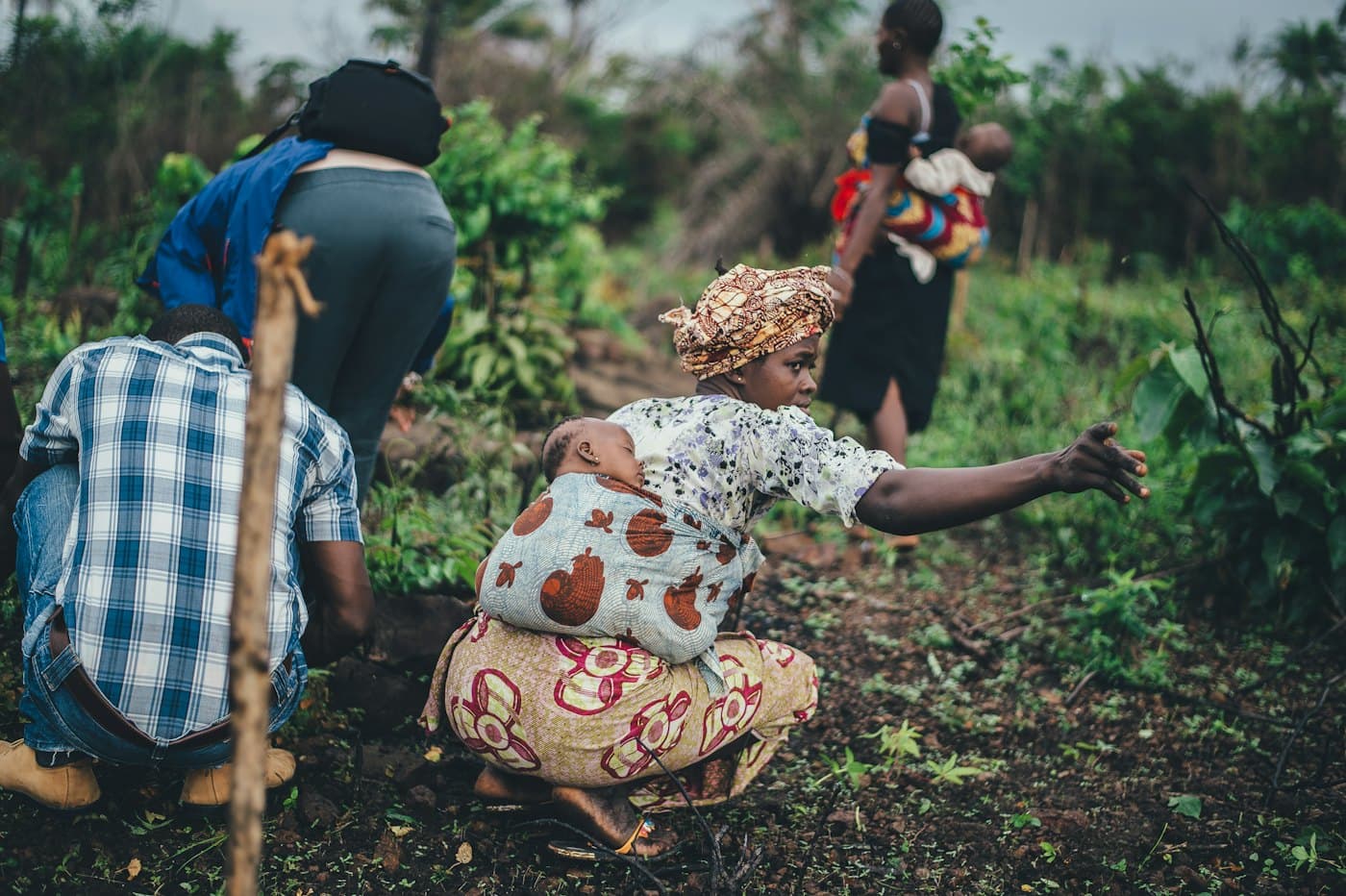
Food and hunger relief
Drought resilience
Water pans, drought-tolerant seed and irrigation that outlast the dry season.
Target$53,642
Donate to drought resilience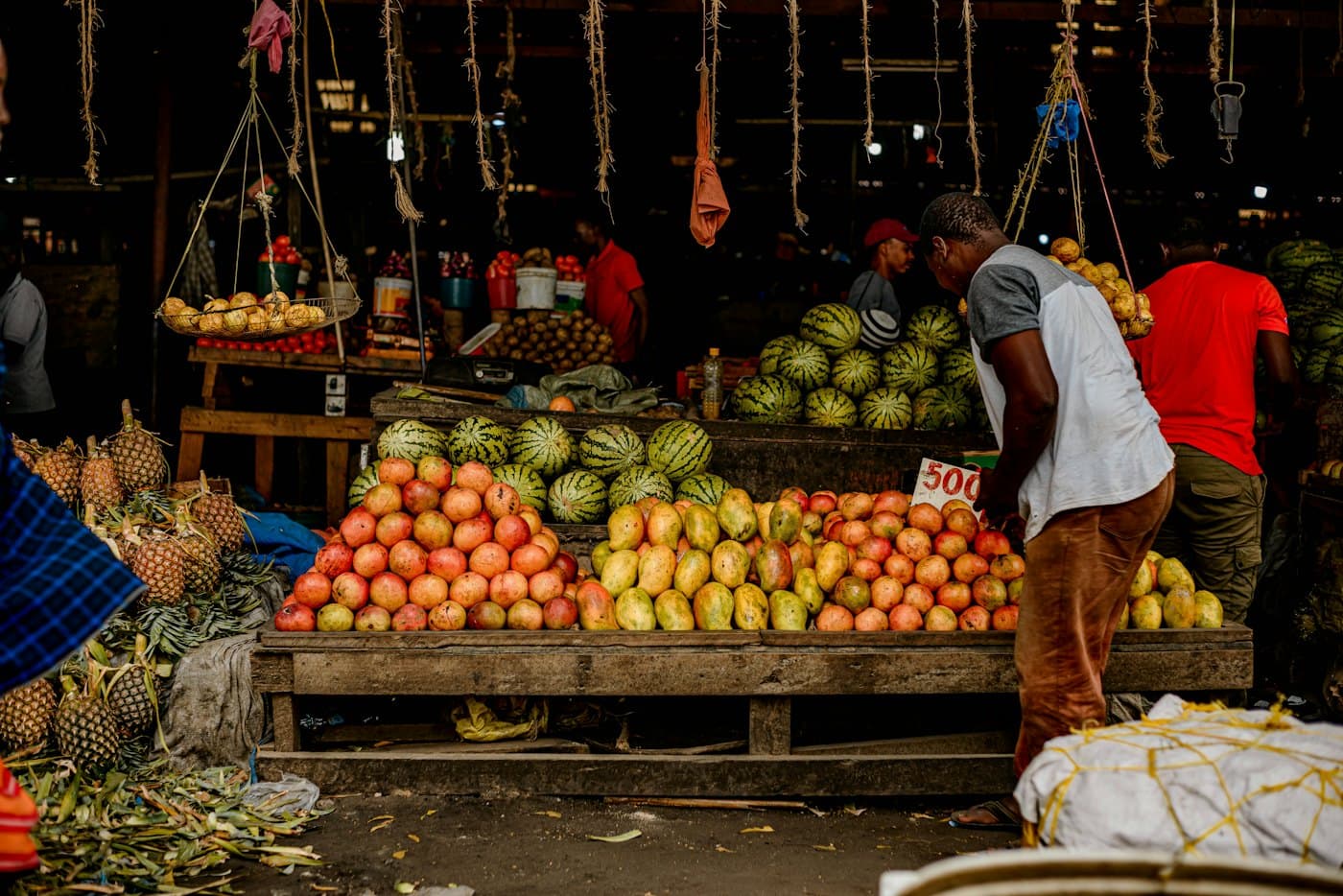
Economic development
Microfinance
Small loans and savings groups for people banks won't lend to.
Target$49,261
Donate to microfinance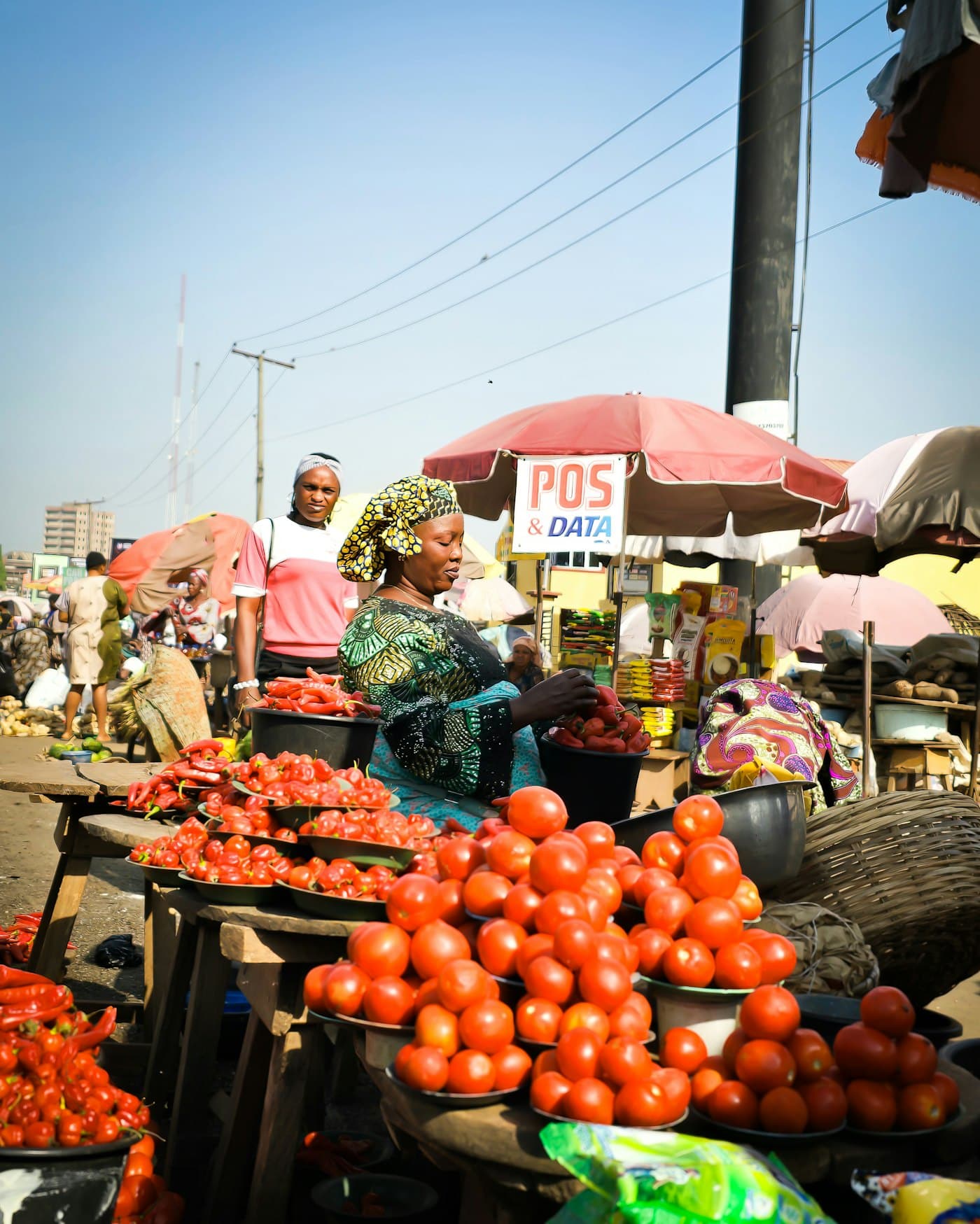
Women's empowerment
Small business grants for women
Grants and coaching for women starting a business.
Target$87,606
Donate to small business grants for women
More stories
- Best 501(c)(3) Charities to Donate to Clean Water Wells in Africa: What to Look For in 2026
How to find the best 501(c)(3) charities to donate to clean water wells in Africa. Eight criteria that separate lasting water projects from broken pumps, and how GiveToAfrica measures up.
- Donate to Clean Water Wells in Africa: How Borehole Projects Work and What Your Gift Funds
How to donate to clean water wells in Africa through a 501(c)(3). See what a borehole costs, what keeps it working, and fund a water project directly.
- How to Donate to Africa from the USA: Every Way to Give, and Where Your Money Goes
A practical guide to donate to Africa from anywhere in the United States. Choose a cause, give tax-deductibly to a 501(c)(3), and see exactly what your gift does.