Small Business Grants for Women in Africa: How Microfinance, Savings and Training Build Lasting Income
Fund small business grants for women in Africa through a 501(c)(3). See how grants, microfinance, savings groups and training create income that lasts, and what each gift buys.
GiveToAfrica team · · 11 min read
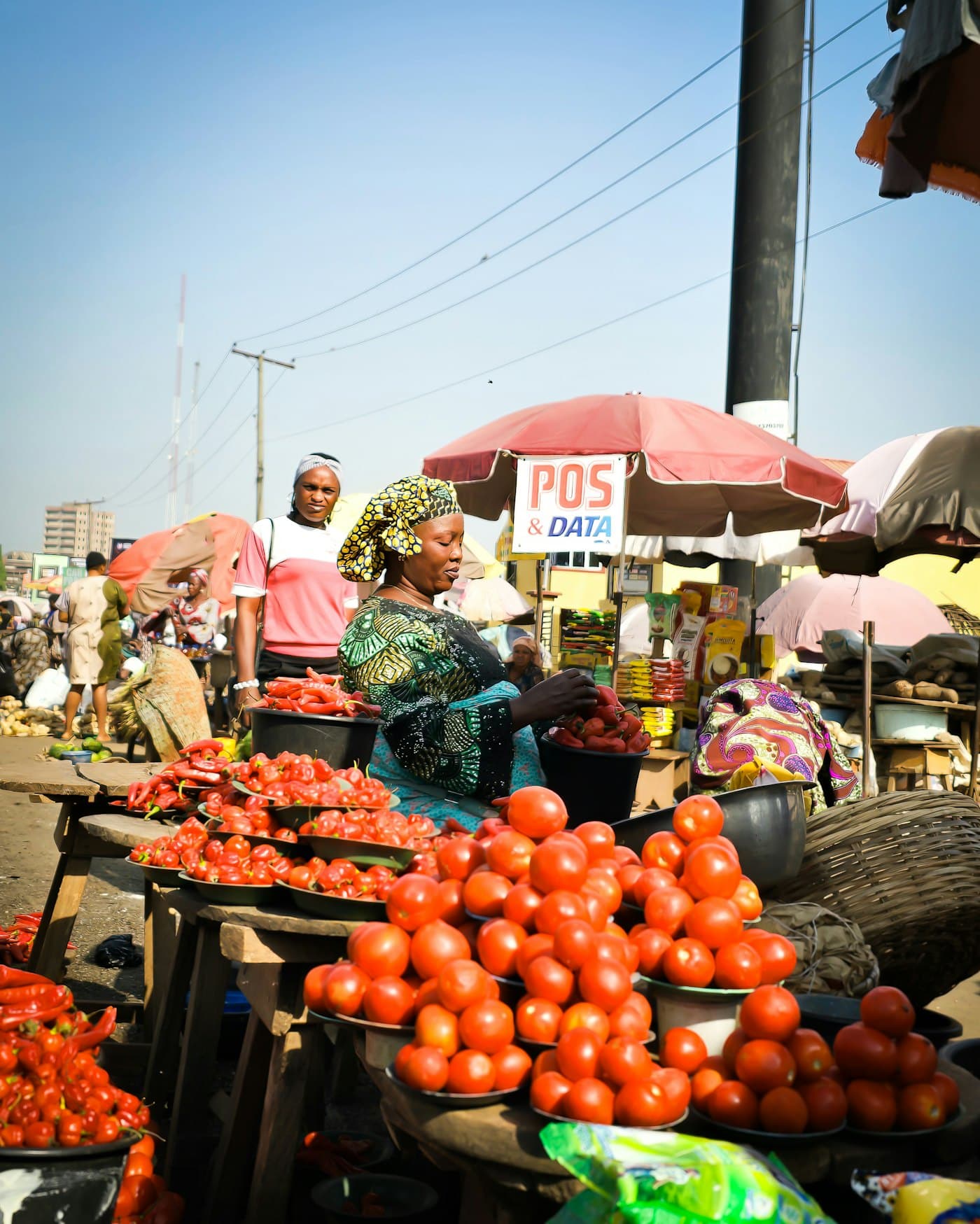
Illustrative photo: Tunde Buremo / Unsplash
If you want to fund small business grants for women in Africa, you are backing one of the most lasting forms of aid. A woman with her own income feeds her children, keeps them in school and pays for health care, long after the gift is spent. This guide explains how business grants, microfinance and training work, what they cost, and how to give safely from the United States.
We'll also show how to give through GiveToAfrica, a registered 501(c)(3) nonprofit. You choose a livelihoods cause, your gift is recorded against it, and every quarter you receive a field report on the businesses started, the loans repaid and the income earned.
Why small business grants for women in Africa work
Across Africa, women run a huge share of the continent's small businesses, from market stalls to tailoring shops. However, most have no access to a bank loan. As a result, a good business idea often stays an idea, because there is no money to buy the first stock.
In addition, women often carry the heaviest load at home: fetching water, caring for children and farming the family plot. Consequently, they need businesses that fit around that work, and training that respects their time.
When the barriers come down, the effect is powerful. Income earned by mothers tends to go straight into food, school fees and medicine. Therefore, a business grant is not only an economic gift. It is also a gift to children's health and education.
Why fund women's businesses through GiveToAfrica
Many livelihoods appeals talk about "empowering women" without explaining what that means. We work differently. Instead, every cause shows its budget, targets and gift amounts before you give.
For instance, the small business grants budget puts 55% directly into grants, paid by mobile money in two instalments. Meanwhile, 18% funds business training and 12% pays for mentoring. Finally, 7% supports savings groups and 8% covers monitoring and your report.
Additionally, GiveToAfrica is a registered 501(c)(3) nonprofit, EIN 27-3982730. Consequently, gifts from US donors are tax-deductible to the extent allowed by law, and your email receipt arrives as soon as your payment clears.
Most importantly, we measure results a year later, not just on the day the grant is paid. Our targets include 80% of businesses still trading after 12 months. You can read why we send field reports and how we work.
Our Services: livelihood programmes you can fund in Africa
Building lasting income takes capital, skills and support. Here are seven livelihood programmes you can fund through GiveToAfrica, each linked to a cause you can give to directly.
Small business startup grants for women
A small grant can turn a skill into a business. Our small business grants cause gives women heading households, widows and young mothers a grant, business training and a mentor for a year.
For example, $50 funds business and bookkeeping training for one woman. Meanwhile, $250 pays for a starter grant for a market stall or tailoring business. Similarly, $1,000 provides grants and a year of coaching for a group of four women.
Grants are paid in two instalments by mobile money, so progress can be checked in between. Our target this round is 300 women receiving grants, with average household income rising by half.
Savings groups that protect families
Before a family can grow, it needs a safety net. Village savings groups let members save small amounts each week and lend to one another at fair terms. Our microfinance cause starts and supports these groups.
A gift of $50 buys lockboxes and record books for two savings groups. Moreover, $1,000 provides seed capital for a savings group of 25 members. Our target is 1,000 savings group members this round.
As a result, a family hit by illness or a bad harvest can borrow from its own group instead of selling its livestock.
Microfinance loans that are lent again and again
Some businesses need more than savings can provide. Therefore, our microfinance cause also makes small loans to market traders, farmers and craftspeople who can't get a bank loan.
For instance, $150 funds a first loan for a small trader. When the loan is repaid, the money is lent again to someone else. In fact, our target is for each donated dollar to be re-lent at least three times in three years.
Loan officers support every borrower, and a small loss reserve covers loans that can't be repaid after disaster or illness. Our target repayment rate is 95%.
Vocational training for young women
Many young women leave school early and have no way to earn. Our vocational training cause teaches trades such as tailoring, hairdressing, catering and solar repair.
A gift of $60 pays for a month of training for one young woman. Similarly, $200 buys a sewing machine or hairdressing starter kit, and $900 funds a full six-month course with certification and a kit.
Importantly, the budget includes childcare and transport, because many trainees are young mothers. Our target is 75% of graduates earning within six months.
Entrepreneurship training and business mentoring
Some women already have a business idea and the drive to build it. Our entrepreneurship training cause runs a 12-week course in business planning and management, with seed funding for the strongest plans.
For example, $90 pays for bootcamp seats for two young entrepreneurs. Meanwhile, $250 funds a year of mentoring for one business, and $1,500 provides a pitch competition's seed prizes. Our target is that half of all trainees are women.
Apprenticeships and job creation
Not everyone wants to run a business. Many young people want a steady job instead. Our job creation cause helps small businesses grow and hire, and pays apprentices while they learn.
A gift of $100 pays a month's wage subsidy for a young apprentice. Similarly, $800 buys equipment that lets a workshop take on a new worker. Our target this round is 150 jobs created, with 80% still filled after a year.
Women farmers and better markets
Most rural women in Africa farm, often on small plots. Therefore, better seed and fairer markets can transform a family's income. Our agriculture cause helps smallholder farmers, most of them women, raise yields and sell together.
For instance, $70 buys improved seed and fertiliser for two family plots. Meanwhile, $2,500 funds a year of training for a 30-member farmer group. Our targets include a 50% increase in yield per acre and a 40% increase in farm income.
Where each dollar goes when you fund women's businesses
Every livelihoods cause publishes its planned budget. For example, when you fund microfinance, about 65 cents of every dollar becomes loan capital. Next, 15 cents pays local loan officers, and 10 cents funds financial training. Finally, 3 cents goes to a loss reserve, and 7 cents covers monitoring and your report.
Because loans are repaid, those 65 cents keep working. Therefore, microfinance is one of the few gifts that can help several families in turn.
Similarly, the vocational training budget puts 40% into courses and 25% into tools and starter kits. The rest covers childcare and transport, job placement and monitoring. Every quarter, the field report compares the plan with what was actually spent.
What changes when a woman starts a business
Livelihood gifts show their value over months and years. Here is what we measure and report on over time.
Household income and savings
First, we track whether businesses are still trading a year later. Next, we measure household income against where it started. In addition, we track how many women save every month, with a target of 70%.
Children's schooling and health
When mothers earn, children benefit. Many women use their first profits to pay school fees or buy school uniforms. That is why livelihood programmes work well alongside keep children in school and maternal and child health.
Confidence and leadership
Finally, women who run businesses often become leaders in their savings groups and communities. Consequently, the benefits spread well beyond one household.
Small business grants for women in Africa versus one-off aid
Food parcels and emergency relief save lives in a crisis, and they will always be needed. However, they stop when the money stops. By contrast, small business grants for women in Africa aim to end the need for aid in a household altogether.
For example, a family receiving emergency food aid needs help again next season. Meanwhile, a mother with a profitable vegetable stall can buy food herself, even in a bad year. Therefore, many donors give to both: relief for today, and a business for tomorrow.
Similarly, small business grants for women in Africa work well alongside family support. In our guide to sponsoring a family in Africa, we explain how a business grant is often the step that lets a household graduate from support. Likewise, our guide to donating food to Africa shows why income is the best long-term protection against hunger.
In short, a grant is not charity that ends when it is spent. Instead, it is capital that keeps earning, month after month, for the family that receives it.
How to fund small business grants for women in Africa from the USA
Here are the ways US donors most often fund women's businesses in Africa.
Donate online
The quickest way is our donation page. First, choose a cause such as small business grants. Next, pick an amount; gifts start at $50. Then complete the secure form, and your receipt arrives by email.
Donate cryptocurrency
You can give Bitcoin, Ethereum, USDT and more than 100 other coins to any livelihoods cause. Simply choose crypto on the donation form.
Give from a donor-advised fund or IRA
Recommend a donor-advised fund grant to GiveToAfrica using EIN 27-3982730, and write the cause, such as "microfinance", in the grant note. If you are 70½ or older, a qualified charitable distribution from your IRA may also be possible; contact us first so we can confirm the details.
Give monthly or through your employer
Monthly gifts let partners plan grant rounds ahead. When you pay by card, choose "Monthly" on the donation form. Many employers also match gifts; see company giving.
Supporting women's businesses in Africa from across the United States
You can fund women's businesses in Africa from any US state. Here is how donors in different regions often get involved.
Donors in Atlanta and the Southeast
Atlanta is one of America's great centres of Black business ownership and entrepreneurship. Consequently, many Georgia donors connect naturally with small business grants and entrepreneurship training for African women.
Donors in New York and the financial world
From Wall Street to Midtown, New York is home to many people who work in finance. Many of them understand exactly how a small loan compounds when it is repaid and lent again. As a result, New York donors often choose microfinance.
Donors in Houston and Dallas
Houston and Dallas have large Nigerian and Ghanaian communities, with deep traditions of market trading and small business. Therefore, many Texas donors fund grants for market traders and seamstresses.
Donors in Silicon Valley and Seattle
Startup founders in the Bay Area and Seattle know how much early mentoring matters. Similarly, many fund pitch competitions and business mentoring through entrepreneurship training. Some also give cryptocurrency.
Donors in Chicago and the Midwest
Chicago and the wider Midwest have strong traditions of family businesses and farming. As a result, Midwest donors often support agriculture and job creation programmes.
How to choose a charity for women's businesses in Africa
Before you give, ask four questions. Does the charity pay grants in stages? Does it train and mentor, not just hand out cash? Does it measure whether businesses survive a year later? Will it tell you repayment rates for loans?
We answer each of those on our women's empowerment and economic development pages. For a wider checklist, read how to choose a charity working in Africa. You can also check any US charity in the IRS Tax Exempt Organization Search.
What happens after you give
First, your email receipt arrives as soon as your payment clears. Next, your gift is recorded against the cause you chose and released to the local partner in stages.
Subsequently, partners select participants, train them and pay grants or loans. Finally, every quarter, you receive a field report showing how many women received support, how many businesses are trading and how loans are being repaid. See our terms for how fully funded causes are handled.
Contact GiveToAfrica
We accept donations from all 50 US states and from supporters worldwide. Livelihood programmes are delivered by vetted local partners across Africa, among all 38 causes on this site.
Have a question before you give? Email donations@givetoafrica.net, use our contact form, or tap the WhatsApp button on this page. We reply to every message within two working days.
Frequently asked questions
How much is a small business grant for a woman in Africa?
In our current budget, $250 funds a starter grant for a market stall or tailoring business. A gift of $1,000 provides grants and a year of coaching for a group of four women.
What is the difference between a grant and microfinance?
A grant does not have to be repaid; it gives a woman her first stock or equipment. A microfinance loan is repaid and then lent to someone else, so the same money helps several families over time.
Are donations to women's businesses in Africa tax-deductible?
Yes. GiveToAfrica is a registered 501(c)(3) nonprofit, EIN 27-3982730, so gifts from US donors are tax-deductible to the extent allowed by law. Your email receipt is valid for your tax records.
How do you know the businesses succeed?
We track every business for at least a year. Our targets include 80% of businesses still trading after 12 months and a 50% average increase in household income, and the field report shows the results.
Can I fund microfinance loans with Bitcoin?
Yes. Choose crypto on the donation form and select the microfinance cause. You can give Bitcoin, Ethereum, USDT or more than 100 other coins, and your receipt is emailed once the payment confirms.
Ready to fund small business grants for women in Africa?
You have seen how grants, loans and training build lasting income. Now choose the programme that matters most to you, from small business grants to microfinance. Alternatively, give where it is needed most today.
If you have a question first, contact our team. We would be glad to help you choose.
Donate directly to a cause in this guide
Choose a cause and your gift goes straight to it. Gifts start at $50, and are tax-deductible in the United States.
Women's empowerment
Small business grants for women
Grants and coaching for women starting a business.
Target$87,606
Donate to small business grants for women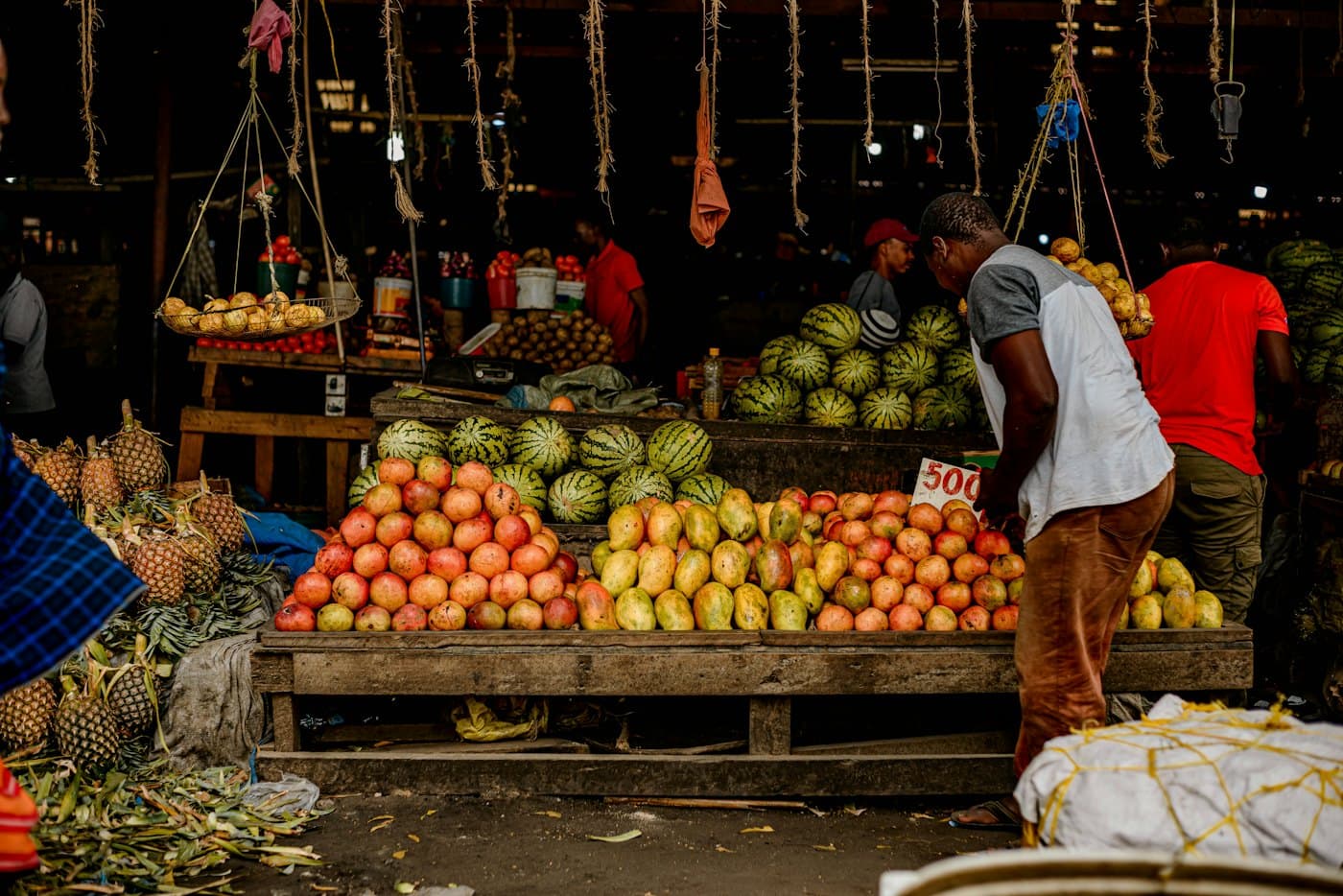
Economic development
Microfinance
Small loans and savings groups for people banks won't lend to.
Target$49,261
Donate to microfinance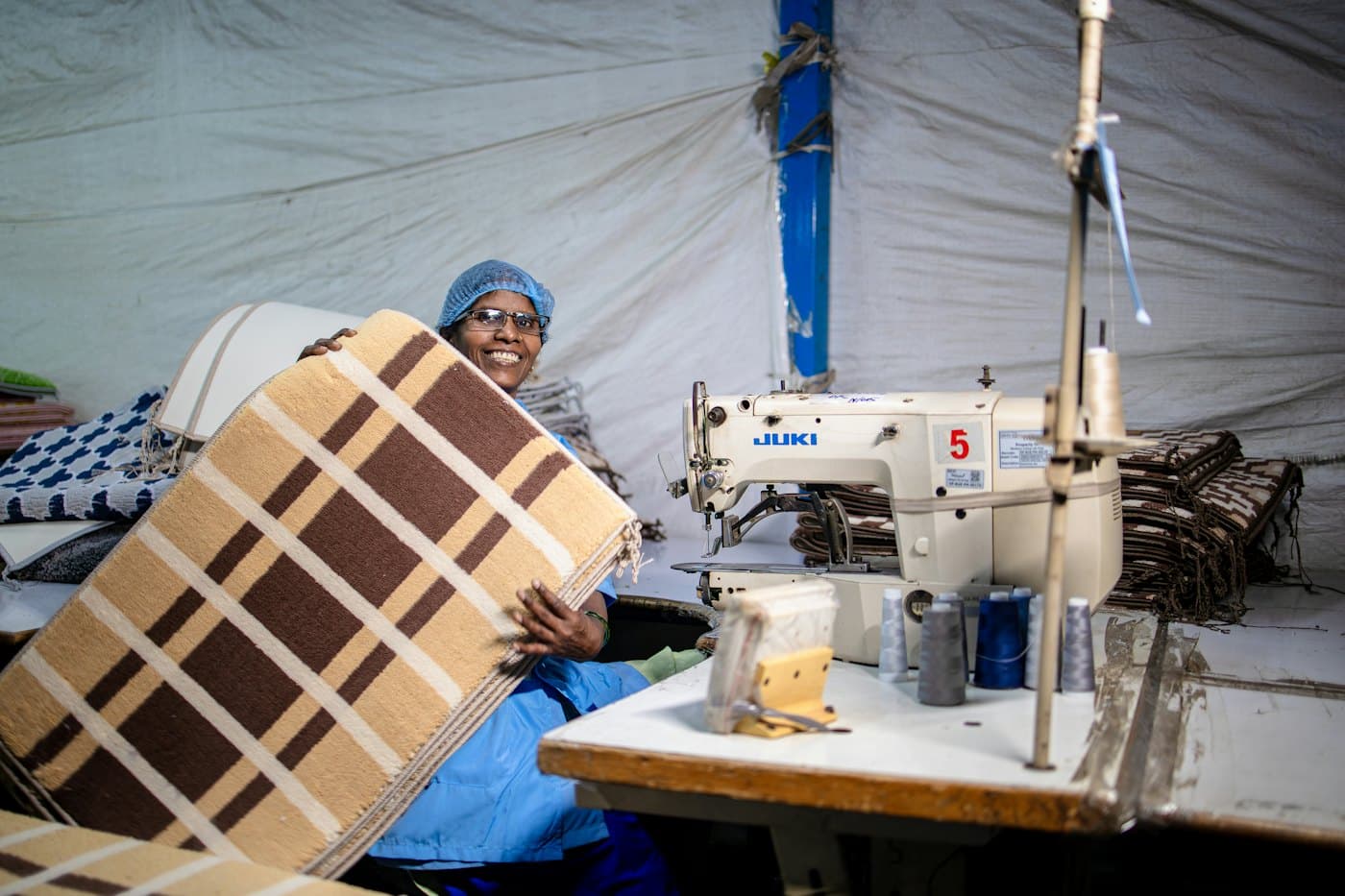
Women's empowerment
Vocational training
Skills training in trades that pay: tailoring, hairdressing, solar, catering.
Target$49,174
Donate to vocational training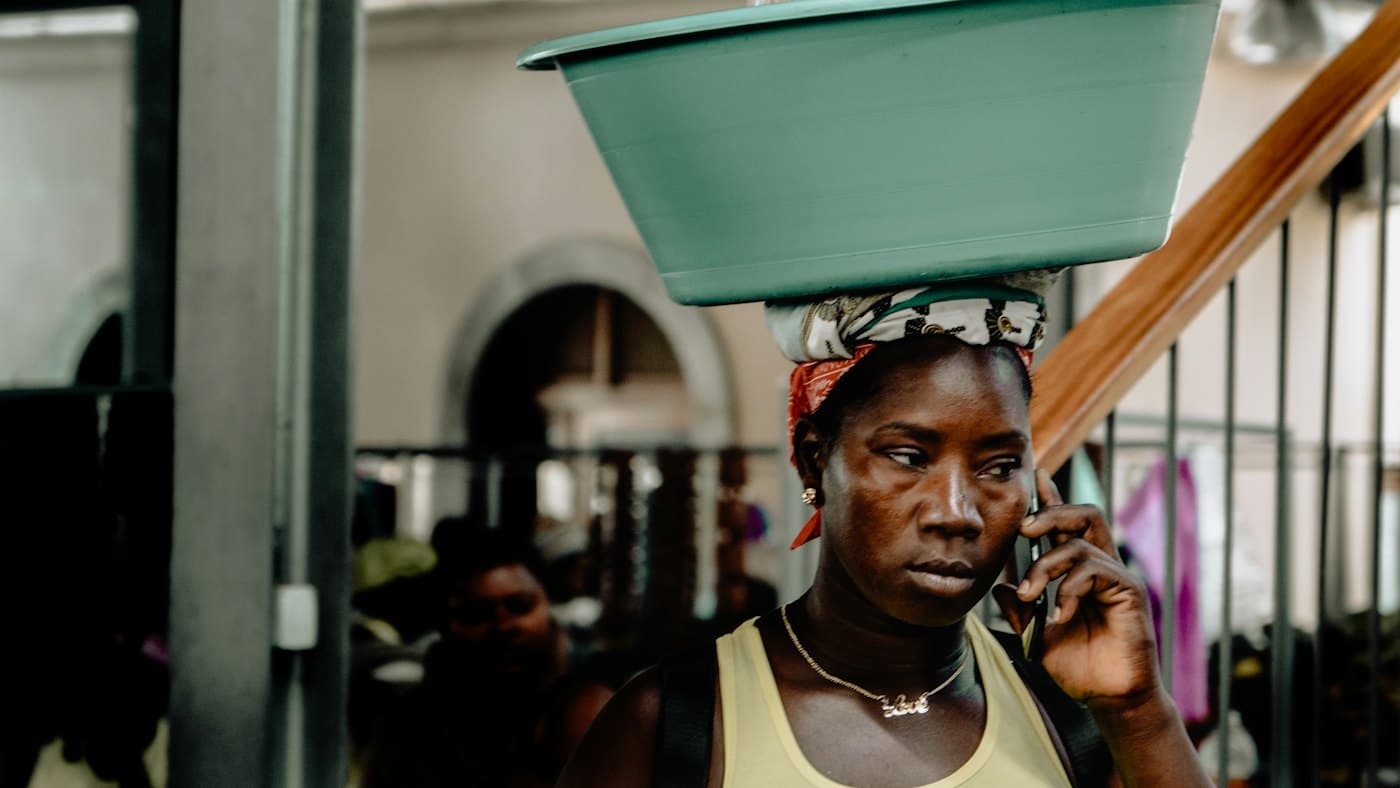
Economic development
Entrepreneurship training
Business bootcamps and mentoring for young entrepreneurs.
Target$38,962
Donate to entrepreneurship training
More stories
- Best 501(c)(3) Charities to Donate to Clean Water Wells in Africa: What to Look For in 2026
How to find the best 501(c)(3) charities to donate to clean water wells in Africa. Eight criteria that separate lasting water projects from broken pumps, and how GiveToAfrica measures up.
- Donate to Clean Water Wells in Africa: How Borehole Projects Work and What Your Gift Funds
How to donate to clean water wells in Africa through a 501(c)(3). See what a borehole costs, what keeps it working, and fund a water project directly.
- How to Donate to Africa from the USA: Every Way to Give, and Where Your Money Goes
A practical guide to donate to Africa from anywhere in the United States. Choose a cause, give tax-deductibly to a 501(c)(3), and see exactly what your gift does.