Faith-Based Giving in Africa: Support Local Churches, Bible Translation and Christian Community Development
How to support faith-based work in Africa through a 501(c)(3): local church ministries, Bible translation, literacy, church-led wells and well-prepared mission trips. See what each gift funds.
GiveToAfrica team · · 11 min read
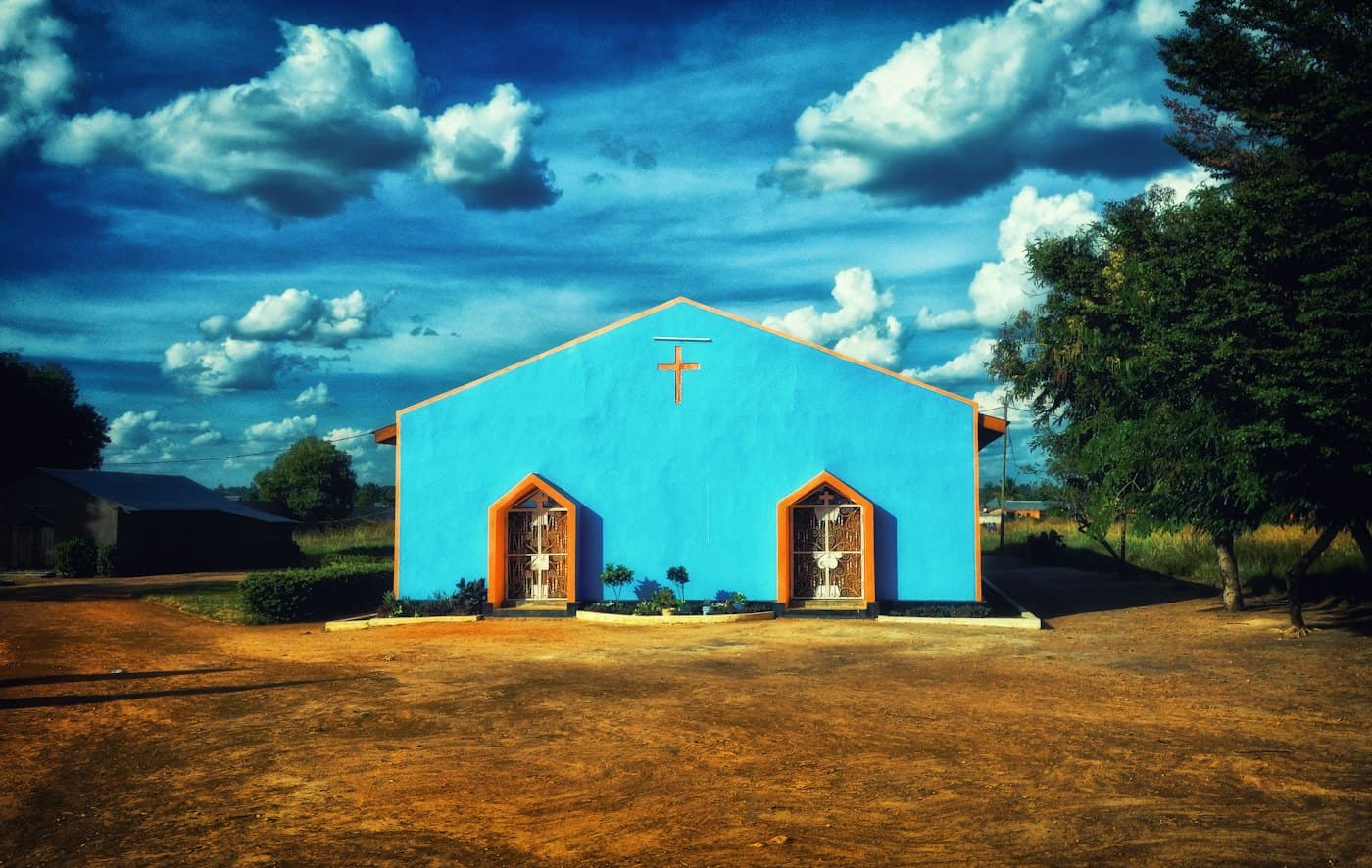
Illustrative photo: Rohan Reddy / Unsplash
For many donors, faith-based giving in Africa is a natural expression of what they believe. Local churches across the continent already feed widows, visit the sick and run schools and clinics. This guide explains how to support that work well: through local churches, Bible translation, church-led community projects and carefully prepared mission trips.
We'll show how faith-based giving works with GiveToAfrica, a registered 501(c)(3) nonprofit, EIN 27-3982730. You choose a cause, your gift is recorded against it, and every quarter you receive a field report on what it achieved.
Why faith-based giving in Africa matters
Churches are often the most trusted institutions in rural African communities. In many villages, the church is where people meet, where children learn and where families turn in a crisis. Consequently, local churches can reach people that outside organisations struggle to find.
Moreover, church leaders usually live in the community for life. They know which widow has no food, which child has stopped coming to school and which family has just lost a parent. Therefore, supporting the ministries they already lead is one of the most effective ways to help.
In addition, Christianity in Africa is growing, and many African churches now send missionaries of their own. As a result, faith-based giving in Africa today is increasingly about partnership, not paternalism. Local churches lead; donors support them faithfully.
How we approach faith-based giving
Faith-based work carries a special responsibility. Therefore, three principles guide how we fund it.
First, local churches lead. We support ministries that African churches already run, rather than starting projects from outside. Second, help is never conditional on faith. Our church-led community projects serve whole communities, regardless of religion. Third, safeguarding comes first. For example, every church leader we support is trained in safeguarding, and every visiting volunteer must complete safeguarding training before travel.
Additionally, faith-based causes follow the same standards as every other cause. Each shows its budget and targets before you give, and each reports quarterly.
Why give through GiveToAfrica
GiveToAfrica is a registered 501(c)(3) nonprofit, EIN 27-3982730. Consequently, gifts from US donors are tax-deductible to the extent allowed by law, and your email receipt arrives as soon as your payment clears.
Furthermore, every faith-based cause publishes its budget. For instance, the church ministries budget puts 45% into community ministries such as feeding and home visits, 20% into leader training and 20% into facilities used as community centres. The rest covers materials, monitoring and reporting.
Most importantly, we report back. Every quarter, you receive a field report on what your cause delivered. You can read why we send field reports and how we work.
Our Services: faith-based work you can fund in Africa
Here are seven kinds of faith-based work you can support through our faith-based missions causes.
Feeding widows and orphans through local churches
Caring for widows and orphans is at the heart of many church ministries. Our church ministries cause funds feeding, home visits and support that local churches already provide.
For example, $80 provides two months of meals for a widow through her church. Our target this round is 20 churches supported and 3,000 people served by their ministries.
Youth ministry and leadership
Young people are the future of every church and community. Through church ministries, $200 funds a youth ministry's programme for a term. Similarly, $1,500 funds a year of community outreach for one church.
In addition, the cause trains pastors and volunteers in community care and safeguarding. Consequently, churches are better equipped to serve the young people in their care.
Bible translation into local languages
Many African languages still have little or no written literature, including Scripture. Yet people understand and remember best in their mother tongue, especially for things that matter deeply. Our Bible translation cause supports mother-tongue translators and consultants working in indigenous African languages.
For instance, $300 funds a month's work for a mother-tongue translator. Our target this round is two languages in active translation, with milestones met on schedule. Half of the budget goes directly to translators.
Literacy classes
A translated Bible helps most when people can read it. Therefore, the Bible translation cause also funds literacy classes in local languages, for adults and children alike.
A gift of $50 provides printed Gospels and literacy primers for two families. Our target is 500 adults in literacy classes this round. Moreover, literacy opens doors far beyond church, from reading medicine labels to running a small business.
Audio Scripture for oral communities
In communities where few people read, audio recordings bring Scripture to everyone. Through Bible translation, $5,000 buys audio Scripture players for a whole community. Our target is 300 audio players distributed.
Church-led wells, tanks and health outreach
Many churches lead practical development in their communities. Our faith community development cause funds water, health and savings projects chosen by the community itself.
For example, $600 installs a rainwater tank for a church-run school. Similarly, $50 funds hygiene training for 20 families through a church group, and $3,000 funds a year of health outreach by a church network. Importantly, these projects serve whole communities, regardless of faith.
Well-prepared mission trips
Short-term mission trips can build lasting friendships between churches. However, they must serve the host community's priorities. Our mission trips cause supports small, well-prepared teams who serve alongside local churches on projects the church has asked for.
For instance, $100 covers local hosting costs for one visiting volunteer, and $2,500 covers a local church's costs to host and lead a two-week team. Every volunteer completes safeguarding training first. Moreover, our target is that local teams finish every project after the visit.
Where each dollar goes
Every faith-based cause publishes its planned budget. For example, when you support faith community development, about 55 cents of every dollar funds community projects such as wells, tanks and savings groups. Next, 18 cents trains church leaders in project management, and 12 cents supports savings groups. Finally, 7 cents covers community planning meetings, and 8 cents covers monitoring and your report.
Therefore, you know how a $100 gift will be split before you give. Every quarter, the field report compares that plan with what was actually spent.
Faith and practical help go together
Many donors want their giving to meet both spiritual and physical needs. Consequently, faith-based gifts often sit alongside other causes.
For example, a church that feeds widows may also want clean water for its school. In that case, a donor might give to church ministries and wells and boreholes. Similarly, a church running a clinic may benefit from medical clinics support.
Likewise, many churches care for orphaned children in their congregations. Our orphan care cause keeps those children with relatives, fed and in school. You can also read our guide to sponsoring a family in Africa.
Giving as a church or small group
Churches often give together, and faith-based giving in Africa is a natural fit for a congregation or small group. For example, a Sunday school class might fund literacy primers, while a men's or women's group funds a rainwater tank.
Many churches also set up a monthly gift, so their partner church can plan ahead. Read our guide to monthly giving to Africa for how it works. If your church wants to raise money together, volunteer with us and we will send you everything you need.
In addition, some churches build a lasting relationship with one cause over several years. As a result, the congregation can follow the progress in each quarterly report and pray for the work in detail.
Faith-based giving in Africa through the church year
Many congregations plan faith-based giving in Africa around the church calendar. Here are some common patterns.
Advent and Christmas
During Advent, many churches run an alternative gift campaign. For example, instead of exchanging presents, families give to school meals or literacy primers in each other's names. As a result, Christmas giving goes further.
Lent and Easter
Lent is a traditional season of fasting and giving. Consequently, some churches set aside what members save by fasting, and give it to emergency food aid or a partner church's feeding ministry.
Harvest festivals
Many churches hold a harvest festival in the autumn. Similarly, this is a natural moment to support farmers through agriculture, so African families can bring in their own harvest.
Mission Sunday
Finally, many churches hold an annual mission Sunday. Therefore, it is a good time to launch a year-long commitment, such as supporting one translation project or one partner church's outreach.
How churches use the field reports
Field reports are not only for accounts. In fact, many churches read them aloud, share them in newsletters or use them in prayer meetings.
For instance, a report might describe how many widows were fed, how many adults joined literacy classes or which translation milestone was reached. Consequently, the congregation can pray for specific needs and give thanks for specific progress. Over time, faith-based giving in Africa becomes a living relationship rather than a single collection.
Before you plan a mission trip
A mission trip can be life-changing for everyone involved. However, it helps to ask some honest questions first. Would the money spent on travel achieve more if given directly? Is the project one the host church asked for? Can local workers do it, creating jobs?
Therefore, we only support trips that serve the host church's priorities, and we ask teams to cover their own travel costs. The cause funds the host church's costs and project materials, so the visit strengthens local leadership rather than replacing it.
Giving to faith-based work in Africa as a family
Faith-based giving in Africa can also be a family practice. For example, some families set aside a portion of their tithe or offering each month for a partner church in Africa. Others let their children choose a cause each year, such as literacy primers or a rainwater tank, and read the field reports together.
As a result, children grow up understanding that their faith connects them to a worldwide family of believers. Moreover, the habit of generous giving, once learned young, often lasts a whole lifetime and passes on to the next generation.
How to support faith-based work in Africa from the USA
Here are the ways US donors most often give.
Donate online
The quickest way is our donation page. First, choose a cause such as Bible translation. Next, pick an amount; gifts start at $50. Then complete the secure form, and your receipt arrives by email.
Give monthly as an individual or church
Churches depend on steady support. Therefore, monthly gifts are especially valuable. When you pay by card, choose "Monthly" on the donation form.
Give crypto, or from a DAF or IRA
You can give Bitcoin and more than 100 other coins; see our guide to donating crypto to Africa. Alternatively, recommend a donor-advised fund grant using EIN 27-3982730. If you are 70½ or older, a qualified charitable distribution from your IRA may also be possible; see our IRA giving guide.
Faith-based giving across the United States
Donors support faith-based work in Africa from every state. Here are some communities with especially strong traditions.
Nashville and Tennessee
Nashville is a centre of Christian music and publishing, and many congregations across Tennessee have long supported missions. Consequently, many Tennessee donors fund Bible translation and literacy.
Dallas–Fort Worth and Texas
Dallas–Fort Worth has many large churches with active global missions programmes. As a result, Texas congregations often fund church-led community projects and mission trips.
Colorado Springs
Colorado Springs is home to many Christian ministries and organisations. Similarly, donors there often support leadership training through church ministries.
Grand Rapids and Wheaton
Grand Rapids, Michigan, has a long tradition of Christian publishing, and Wheaton, Illinois, is home to Wheaton College. Therefore, Midwest donors often support translation and literacy.
Atlanta and the Southeast
Atlanta and the wider Southeast have many historic Black churches with deep ties to Africa. Consequently, many congregations there support faith community development and orphan care.
Orlando and Florida
Central Florida is home to several large Christian ministries and many retirees with lifelong ties to missions. Consequently, Florida donors often combine faith-based giving in Africa with an annual gift from their IRA. Many support church ministries that care for widows, and mission trips that build lasting friendships between congregations.
How to choose a faith-based charity for Africa
Before you give to any faith-based organisation, ask four questions. Does it support local church leadership? Is help given regardless of faith? Does it train leaders in safeguarding? Will it report results, not just stories?
We answer each of those on our cause pages. For a wider checklist, read how to choose a charity working in Africa. You can also confirm our registration in the IRS Tax Exempt Organization Search.
Contact GiveToAfrica
We accept gifts from churches and individuals in all 50 US states and worldwide. To plan a church gift or a mission team, email donations@givetoafrica.net, use our contact form, or tap the WhatsApp button on this page. We reply within two working days. See our privacy policy and terms.
Frequently asked questions
Can I support local churches in Africa?
Yes. Our church ministries cause funds feeding, home visits, youth work and leader training that local African churches already run. For example, $80 provides two months of meals for a widow through her church.
Do you fund Bible translation?
Yes. Our Bible translation cause supports mother-tongue translators working in indigenous African languages, plus literacy classes and audio Scripture. A gift of $300 funds a month's work for a translator.
Is help given only to Christians?
No. Our faith-led community projects, such as rainwater tanks and health outreach, serve whole communities, regardless of religion. Help is never conditional on faith.
Are faith-based gifts tax-deductible?
Yes. GiveToAfrica is a registered 501(c)(3), EIN 27-3982730, so gifts from US donors are tax-deductible to the extent allowed by law. Your email receipt is valid for your tax records.
Can our church send a mission team?
Our mission trips cause supports small, well-prepared teams serving on projects the host church has asked for. Teams cover their own travel, and every volunteer completes safeguarding training first. Contact us to plan a trip.
Ready to support faith-based work in Africa?
Choose a cause from our faith-based missions area or all 38 causes, then give on our donation page. If your church has a question, contact our team. We would be glad to help.
Donate directly to a cause in this guide
Choose a cause and your gift goes straight to it. Gifts start at $50, and are tax-deductible in the United States.
Faith-based missions
Church ministries
Support local churches running feeding, youth and widows' ministries.
Target$38,301
Donate to church ministries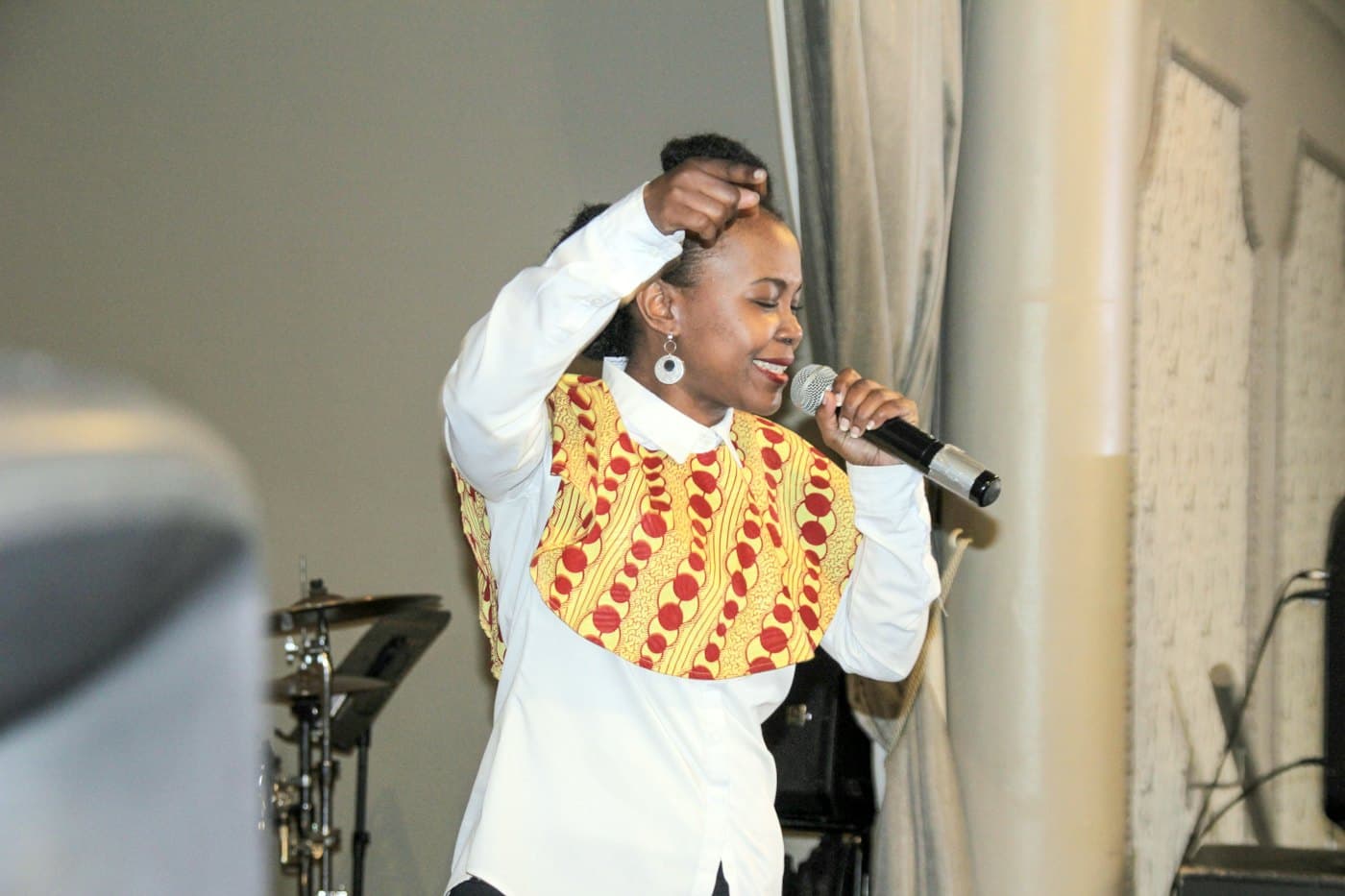
Faith-based missions
Bible translation
Scripture and literacy materials in languages people speak at home.
Target$47,057
Donate to bible translation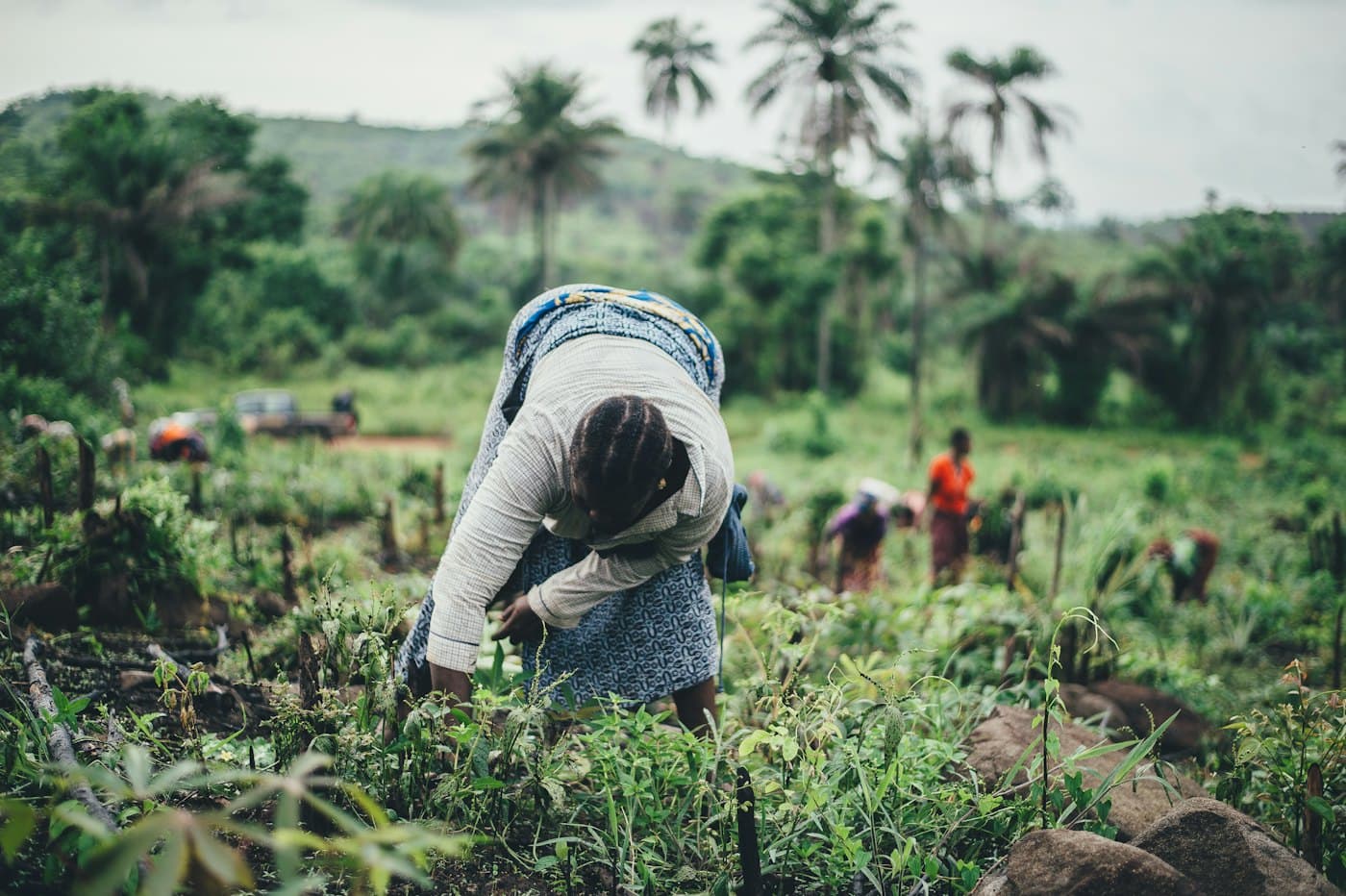
Faith-based missions
Faith-led community development
Clean water, health and schools led through local church networks.
Target$49,381
Donate to faith-led community developmentFaith-based missions
Mission trips
Short-term teams that serve alongside local churches, on their terms.
Target$29,704
Donate to mission trips
More stories
- Best 501(c)(3) Charities to Donate to Clean Water Wells in Africa: What to Look For in 2026
How to find the best 501(c)(3) charities to donate to clean water wells in Africa. Eight criteria that separate lasting water projects from broken pumps, and how GiveToAfrica measures up.
- Donate to Clean Water Wells in Africa: How Borehole Projects Work and What Your Gift Funds
How to donate to clean water wells in Africa through a 501(c)(3). See what a borehole costs, what keeps it working, and fund a water project directly.
- How to Donate to Africa from the USA: Every Way to Give, and Where Your Money Goes
A practical guide to donate to Africa from anywhere in the United States. Choose a cause, give tax-deductibly to a 501(c)(3), and see exactly what your gift does.