Wildlife and conservation
Elephant and rhino protection
Monitoring, collars and community rangers for Africa's most threatened giants.
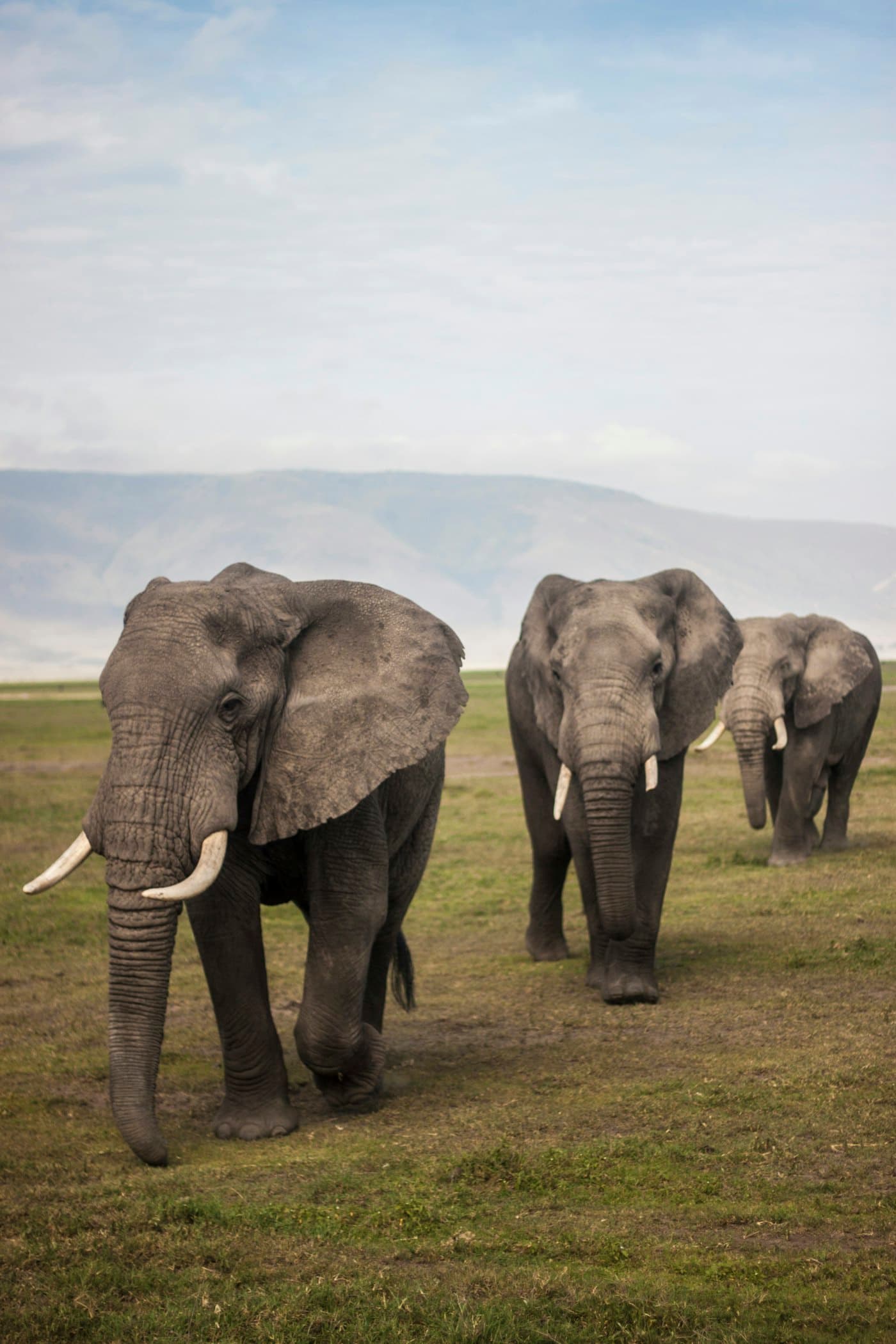
Illustrative photo: Matthew Spiteri / Unsplash
Objective for the 2026 funding round
Protect elephant and rhino populations in partner conservancies with trained rangers, tracking and community support.
Who it reaches: Elephants and rhinos, and the communities who share land with them.
Target$80,479
Funding for this cause closes in
From $50: a day of tracking for a rhino monitoring team.
The need
Poaching for ivory and horn still kills elephants and rhinos. The animals that survive are safest where rangers track them daily and local people benefit from keeping them alive.
Why give to this cause
- Rhinos and elephants remain under threat from poaching, and every animal counts.
- Conservation succeeds when local communities benefit from it.
- Monitoring data shows how the animals are doing over time.
What your gift does
- $50a day of tracking for a rhino monitoring team
- $500a camera trap and a year of monitoring data
- $4,000a GPS tracking collar for an elephant
Where your donation goes
The planned budget for this cause. Every quarter, the field report shows what was actually spent against each line.
- Ranger teamsSalaries, training and equipment for local rangers.40%$200 of $500
- Tracking and surveillanceGPS collars, radios and patrol vehicles.22%$110 of $500
- Community benefitsJobs and revenue sharing so wildlife is worth more alive.20%$100 of $500
- Veterinary careTreating injured and orphaned animals.8%$40 of $500
- Monitoring and reportingPopulation counts and poaching incidents.10%$50 of $500
How we do it
- 1
We fund licensed conservancies and wildlife authorities, not private operators.
- 2
Monitoring teams record every animal's location and condition.
- 3
Tracking collars warn rangers when elephants approach farms or danger.
- 4
Poaching incidents and population counts are reported annually.
The impact your gift will have
- Rhinos and elephants are watched closely and protected from poachers.
- Local people are employed in conservation, so wildlife is worth more alive.
- Herds can recover in safe, well-managed areas.
What we measure and report
Targets for the 2026 funding round. Results against each one are published in the quarterly field report sent to every donor to this cause.
| Measure | Target |
|---|---|
| Rhinos monitored daily | 40 |
| Elephants collared | 10 |
| Poaching incidents in protected area | down 50% |
| Community members employed | 60 |
Join in the cause today
Make an impactful change in Africa.
Donate to elephant and rhino protectionFund elephant and rhino protection
Your gift goes to this programme. You'll get an email receipt now and the field report every quarter.
Funding for this cause closes in
Choose an amount
- $50a day of tracking for a rhino monitoring team
- $500a camera trap and a year of monitoring data
- $4,000a GPS tracking collar for an elephant
Gifts start at $50. Choose your own amount on the next page.
More wildlife and conservation causes
 Wildlife and conservation
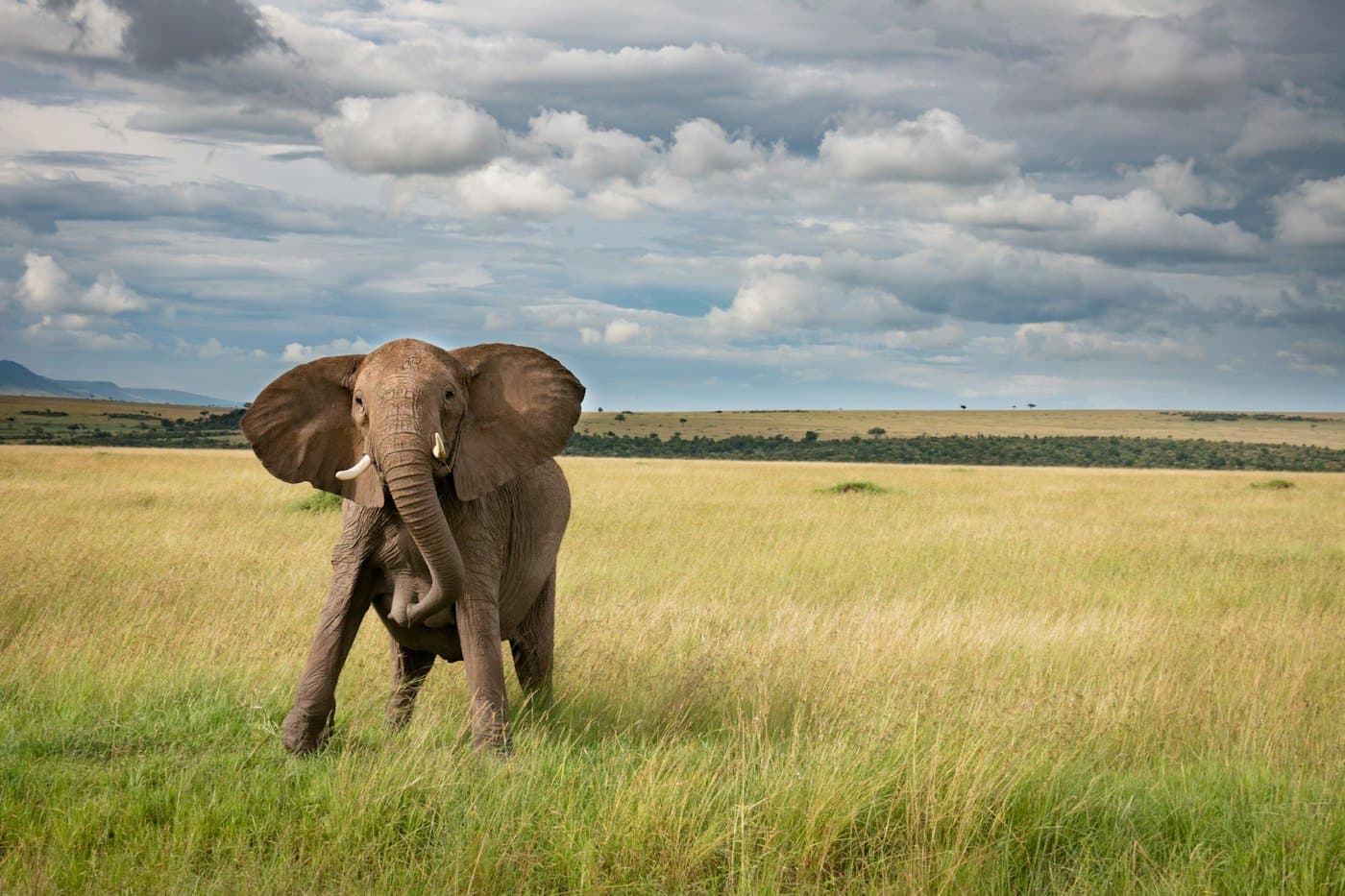
National parks and conservancies
Habitat, water points and community conservancies around protected land.
$80 tree seedlings to restore two hectares of corridor.
Target$71,798
Donate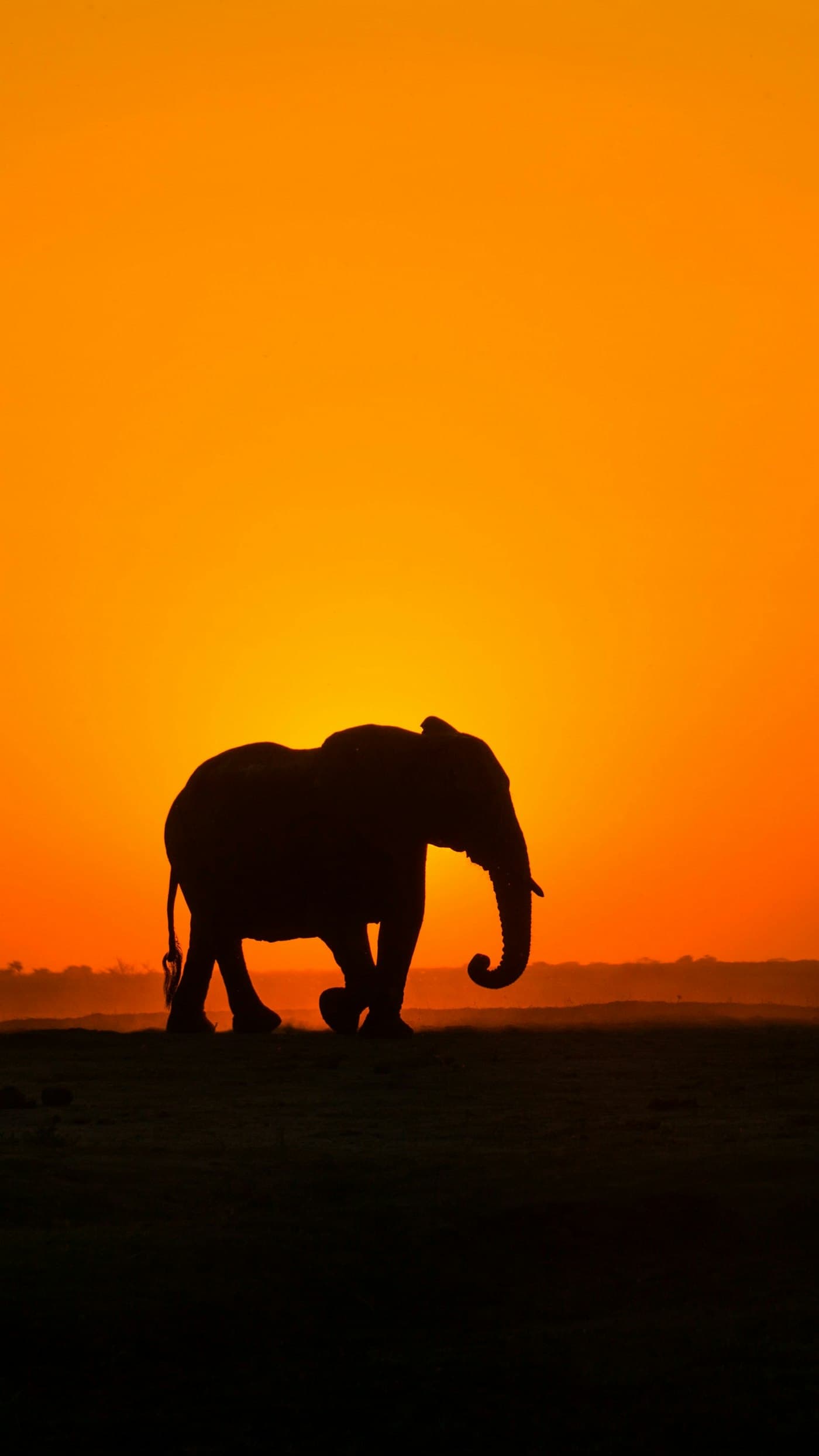 Wildlife and conservation
Anti-poaching initiatives
Train and equip community ranger teams.
$75 boots and a uniform for one ranger.
Target$61,548
DonateQuestions donors ask
How can I donate to protect elephants and rhinos in Africa?
Choose Elephant and rhino protection or Anti-poaching initiatives and give online. Choose a cause, enter your amount in US dollars and pay securely by Visa, Mastercard, Apple Pay or cryptocurrency (Bitcoin, Ethereum, USDT and 100+ coins). You get an email receipt straight away and a field report every quarter.
Does conservation help local communities?
Yes. Our conservation causes employ local people as rangers and in conservation work, which reduces conflict between people and wildlife.
How do I know my gift helps wildlife?
We report the animals monitored, patrol distances, snares removed and land restored every quarter.