Donate to Healthcare in Africa: Fund Rural Clinics, Malaria Nets and Life-Saving Care
How to donate to healthcare in Africa through a 501(c)(3): rural clinics, malaria bed nets, maternal care and HIV treatment. See what each gift buys and how results are measured.
GiveToAfrica team · · 11 min read
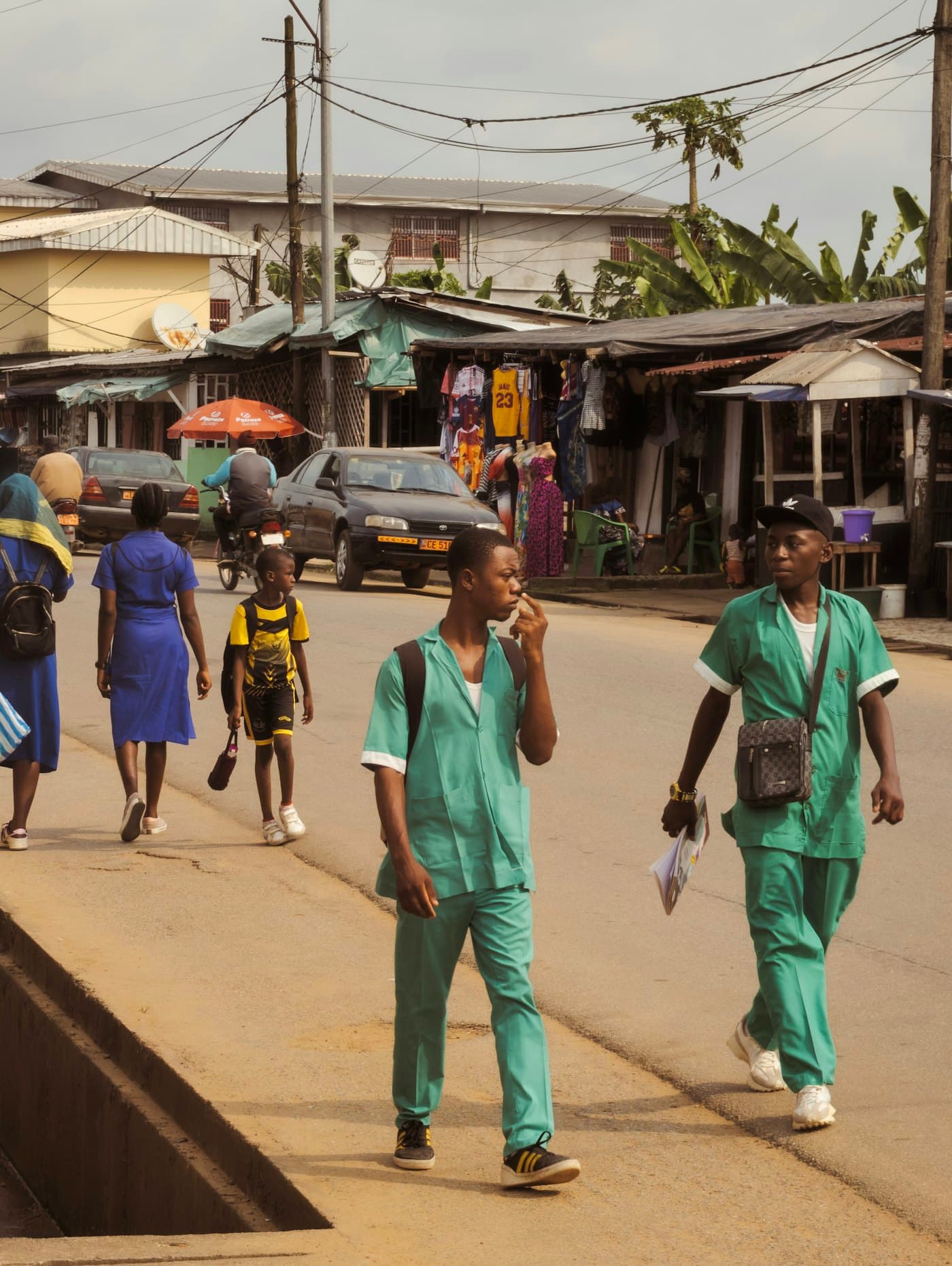
Illustrative photo: Emmanuel M / Unsplash
If you want to donate to healthcare in Africa, you can save lives with surprisingly modest gifts. A bed net, a stocked clinic or a trained midwife can decide whether a child survives. This guide explains where health gifts do the most good, what they cost, and how to give safely from the United States.
We'll also show how to give through GiveToAfrica, a registered 501(c)(3) nonprofit. You choose a health cause, from malaria prevention to rural clinics, and your gift is recorded against it. Then, every quarter, you receive a field report on what was delivered and what changed.
Why donate to healthcare in Africa
Many of the diseases that still kill people in Africa are preventable or treatable. However, rural families often live a day's walk from a clinic, and the nearest clinic may have run out of medicine.
Malaria shows the scale of the problem. According to the World Health Organization, malaria killed an estimated 597,000 people in 2023. About 95% of those deaths were in the WHO African Region, and around three-quarters of the deaths in the region were children under five (WHO World Malaria Report 2024).
At the same time, the tools that work are well known. For example, treated bed nets prevent infection, rapid tests catch malaria early, and cheap medicines cure it. Similarly, trained community health workers can reach mothers and babies long before a crisis.
Therefore, the most effective way to donate to healthcare in Africa is to fund those proven tools where they are missing. Your gift closes the gap between what works and who can reach it. In fact, a single gift of $50 can protect a whole family from malaria for years, because a treated net lasts several seasons when it is hung and cared for properly.
Why donate to healthcare through GiveToAfrica
Health appeals often ask you to "save a life" without explaining how. We work differently. Instead, every health cause shows its budget, targets and gift amounts before you give.
For instance, the malaria prevention page shows that half the budget buys bed nets. Meanwhile, 22% buys rapid tests and treatment, 12% pays teams to deliver and hang every net, 6% funds education, and 10% covers monitoring and your report.
Additionally, GiveToAfrica is a registered 501(c)(3) nonprofit, EIN 27-3982730. Consequently, gifts from US donors are tax-deductible to the extent allowed by law. Your email receipt arrives as soon as your payment clears.
Most importantly, we measure results, not just deliveries. Field reports show, for example, how many nets are still hung and in use months later. You can read why we send field reports and how we work.
Our Services: health programmes you can fund in Africa
Good health care needs medicine, staff, prevention and a way to reach families. Here are seven health programmes you can fund through GiveToAfrica, each linked to a cause you can give to directly.
Rural medical clinics that stay open and stocked
A clinic without medicine or staff is only a building. Our medical clinics cause keeps rural clinics stocked, staffed and open, and runs monthly outreach to villages beyond their reach.
For example, $50 buys essential medicines for 25 patient visits. Similarly, $300 pays a month's salary for a community nurse. Meanwhile, $3,000 installs a solar power system for a clinic's lights and vaccine fridge.
Our target this round is 20,000 patient visits supported, with medicine in stock for at least 11 months of the year. Consequently, families can rely on the clinic being ready when they need it.
Malaria prevention with treated bed nets
Malaria is most dangerous for young children and pregnant women. Therefore, our malaria prevention cause hangs long-lasting insecticide-treated bed nets in the homes that need them most.
A gift of $50 buys five nets, delivered and hung during a household visit. Similarly, $150 provides nets for three whole families, with follow-up visits. In addition, $500 equips a village health worker with test kits and treatment for a year.
Teams hang every net rather than just handing them out. As a result, our target is that 85% of nets are still hung and in use at follow-up.
Maternal and child health care
Too many mothers in rural Africa give birth without any trained help. Our maternal and child health cause changes that with community health workers, clinic supplies and emergency transport.
For instance, $50 provides clean birth kits and newborn care packs for two mothers. Likewise, $100 covers four antenatal check-ups, with transport, for one mother. Meanwhile, $2,500 equips a rural clinic's delivery room.
Our targets include 800 mothers with four or more antenatal visits, and 90% of births with a skilled attendant. Furthermore, we aim for 85% of infants fully vaccinated by their first birthday.
HIV testing, treatment and support
HIV is now a manageable condition, but only for people who are tested and stay on treatment. Our HIV/AIDS programs cause funds confidential testing, support to stay on treatment and care for pregnant mothers.
A gift of $60 funds HIV testing and counselling for 30 people. Similarly, $75 pays a year of transport to treatment for one patient, and $600 runs a year of peer support groups for 30 people.
Our targets include 5,000 people tested and 95% of positive results linked to treatment. In addition, we aim for 98% of babies born HIV-free to mothers in the programme.
Treating child malnutrition
Malnutrition weakens children's immune systems, so ordinary infections become deadly. Our nutrition programs cause screens young children in every village and treats every child who needs it.
For example, $75 funds arm-band screening for 250 children. Meanwhile, $120 buys full courses of therapeutic food for two children. Our target this round is 6,000 children screened and an 85% recovery rate for those treated.
Safe motherhood and trained midwives
In remote areas, the journey to a clinic during labour can be fatal. Therefore, our safe motherhood cause funds maternity waiting homes near clinics, trained midwives and emergency transport.
A gift of $90 provides emergency transport vouchers for two women in labour. Similarly, $300 buys a midwife's equipment kit, and $2,400 funds a year of training for a community midwife. Our target is 1,500 births attended by trained staff.
Confidential health care for people facing discrimination
Some people avoid clinics altogether because they fear being judged or reported. Our LGBTQ+ health access cause funds confidential, respectful care through trained clinics and peer counsellors.
For instance, $60 funds confidential consultations and testing for two people. Meanwhile, $900 funds a year of peer counselling for 15 people. Importantly, all reporting for this cause is aggregate and anonymised, to protect the people it serves.
Where each dollar goes when you donate to healthcare in Africa
Every health cause publishes its planned budget. For example, when you fund medical clinics, about 35 cents of every dollar buys medicines and supplies. Next, 30 cents pays nurses and clinical officers, and 15 cents funds outreach clinics. Finally, 10 cents covers equipment and repairs, and 10 cents covers monitoring and your report.
Similarly, the maternal and child health budget puts 32% into community health workers and 25% into clinic supplies. The rest funds midwife training, emergency transport and monitoring.
Therefore, you know how a $100 gift will be split before you give. Every quarter, the field report compares that plan with what was actually spent, and explains any differences.
How health gifts connect to other causes
Health does not stand alone. Instead, it depends on water, food and income. That is why many donors pair a health gift with a second cause.
Health and clean water
Dirty water causes diarrhoea, one of the biggest killers of young children. Consequently, wells and boreholes and household water purification filters are health gifts too. Clinics also need safe water for deliveries and hand-washing.
Health and food
A well-fed child fights off infections far better. Therefore, school meals and emergency food aid protect children's health, especially in the hungry season.
Health and income
When a mother earns her own income, she can pay for transport to a clinic and buy medicine. As a result, small business grants for women often improve a whole family's health.
How to donate to healthcare in Africa from the USA
Here are the ways US donors most often fund health programmes in Africa.
Donate online to a health cause
The quickest way is our donation page. First, choose a health cause such as malaria prevention. Next, pick an amount; gifts start at $50. Then complete the secure form, and your receipt arrives by email.
Donate crypto for medical care
You can give Bitcoin, Ethereum, USDT and more than 100 other coins to any health cause. Simply choose crypto on the donation form. Your gift is recorded against the cause you chose, and your receipt follows automatically.
Give from a donor-advised fund
If you hold a donor-advised fund, recommend a grant to GiveToAfrica using EIN 27-3982730. Write the cause, such as "medical clinics", in the grant note, and we will record it against that cause.
Give from your IRA
If you are 70½ or older, a qualified charitable distribution from your IRA may be possible. Before instructing your custodian, contact us so we can confirm the details and record the gift correctly.
Give monthly or through your employer
Clinics need to pay nurses every month. Therefore, monthly gifts are especially valuable for health care. When you pay by card, choose "Monthly" on the donation form. In addition, add your employer's name to ask for a matching gift; see company giving.
Funding healthcare in Africa from across the United States
You can fund health care in Africa from any US state. Here is how donors in some of America's great medical communities often get involved.
Donors in Houston and the Texas Medical Center
Houston's Texas Medical Center is one of the largest medical complexes in the world. Many doctors, nurses and researchers there know exactly what a stocked clinic means. Consequently, Houston donors often fund medical clinics and solar power for vaccine fridges.
Donors in Boston and Baltimore
Boston's Longwood Medical Area and Baltimore's hospitals and public health schools are home to many global health professionals. As a result, donors in Massachusetts and Maryland often choose evidence-based programmes such as malaria prevention and nutrition programs.
Donors in Minnesota and the Midwest
Rochester, Minnesota, and the Twin Cities have large medical communities, and Minneapolis is home to a large Somali community. Therefore, Midwest donors often support maternal and child health and safe motherhood.
Donors in North Carolina and the Southeast
North Carolina's Research Triangle has many health researchers, and Atlanta is a major centre for public health work. Similarly, churches across the Southeast have long supported mission clinics. Many donors there fund HIV/AIDS programs and rural clinics.
Donors in California and the Pacific Northwest
Seattle is a global centre for public health funding and research, and the San Francisco Bay Area is home to many biotech and medical technology companies. Consequently, West Coast donors often look closely at evidence and results. Many choose malaria prevention, because bed nets are among the best-studied health tools in the world. Others fund solar power for medical clinics, so vaccines stay cold and deliveries happen under proper light. Similarly, many technology workers in the region give cryptocurrency, which you can do directly on our donation form.
How to choose a health charity in Africa
Before you give to any health appeal, ask four questions. Is the charity registered? Does it fund proven tools, such as nets, tests and trained staff? Does it follow up, for example to check nets are still in use? Will it tell you results, not just deliveries?
We answer each of those on our healthcare cause pages. For a wider checklist, read how to choose a charity working in Africa. You can also check any US charity in the IRS Tax Exempt Organization Search; for GiveToAfrica, search for EIN 27-3982730.
What happens after you donate to healthcare in Africa
First, your email receipt arrives as soon as your payment clears. Next, your gift is recorded against the health cause you chose, and released to the local partner in stages.
Subsequently, field staff check deliveries, clinic stock and patient records. Finally, every quarter, you receive a field report showing what was delivered, what it cost and what changed. If a cause becomes fully funded, extra gifts go to the next round of the same programme, as our terms explain.
Contact GiveToAfrica about health programmes
We accept donations from all 50 US states and from supporters worldwide. Health programmes are delivered by vetted local partners across Africa, through our healthcare causes and all 38 causes on this site.
Have a question before you give? Email donations@givetoafrica.net, use our contact form, or tap the WhatsApp button on this page. We reply to every message within two working days.
Frequently asked questions
How much does a malaria bed net cost to donate?
In our current budget, $50 buys five insecticide-treated bed nets, delivered and hung during a household visit. That includes distribution, education and a follow-up check that the nets are in use.
How can I fund a rural medical clinic in Africa?
Choose the medical clinics cause on our donation page. For example, $50 buys medicines for 25 patient visits, $300 pays a nurse for a month, and $3,000 installs solar power for a clinic.
Are donations to healthcare in Africa tax-deductible?
Yes. GiveToAfrica is a registered 501(c)(3) nonprofit, EIN 27-3982730, so gifts from US donors are tax-deductible to the extent allowed by law. Your email receipt is valid for your tax records.
Can I give to African medical projects from a donor-advised fund?
Yes. Recommend a grant to GiveToAfrica using EIN 27-3982730, and write the cause, such as "medical clinics", in the grant note. We will record it against that cause.
How do you know health donations are working?
Every health cause has published targets, such as nets still in use at follow-up or births with a skilled attendant. Field staff check the results, and every donor receives a quarterly field report.
Ready to donate to healthcare in Africa?
You have seen how health gifts work and what they buy. Now choose the programme that matters most to you, from malaria prevention to rural clinics. Alternatively, give where it is needed most today.
If you have a question first, contact our team. We would be glad to help you choose.
Donate directly to a cause in this guide
Choose a cause and your gift goes straight to it. Gifts start at $50, and are tax-deductible in the United States.
Healthcare
Medical clinics
Staff, stock and equip rural clinics that serve whole districts.
Target$94,007
Donate to medical clinics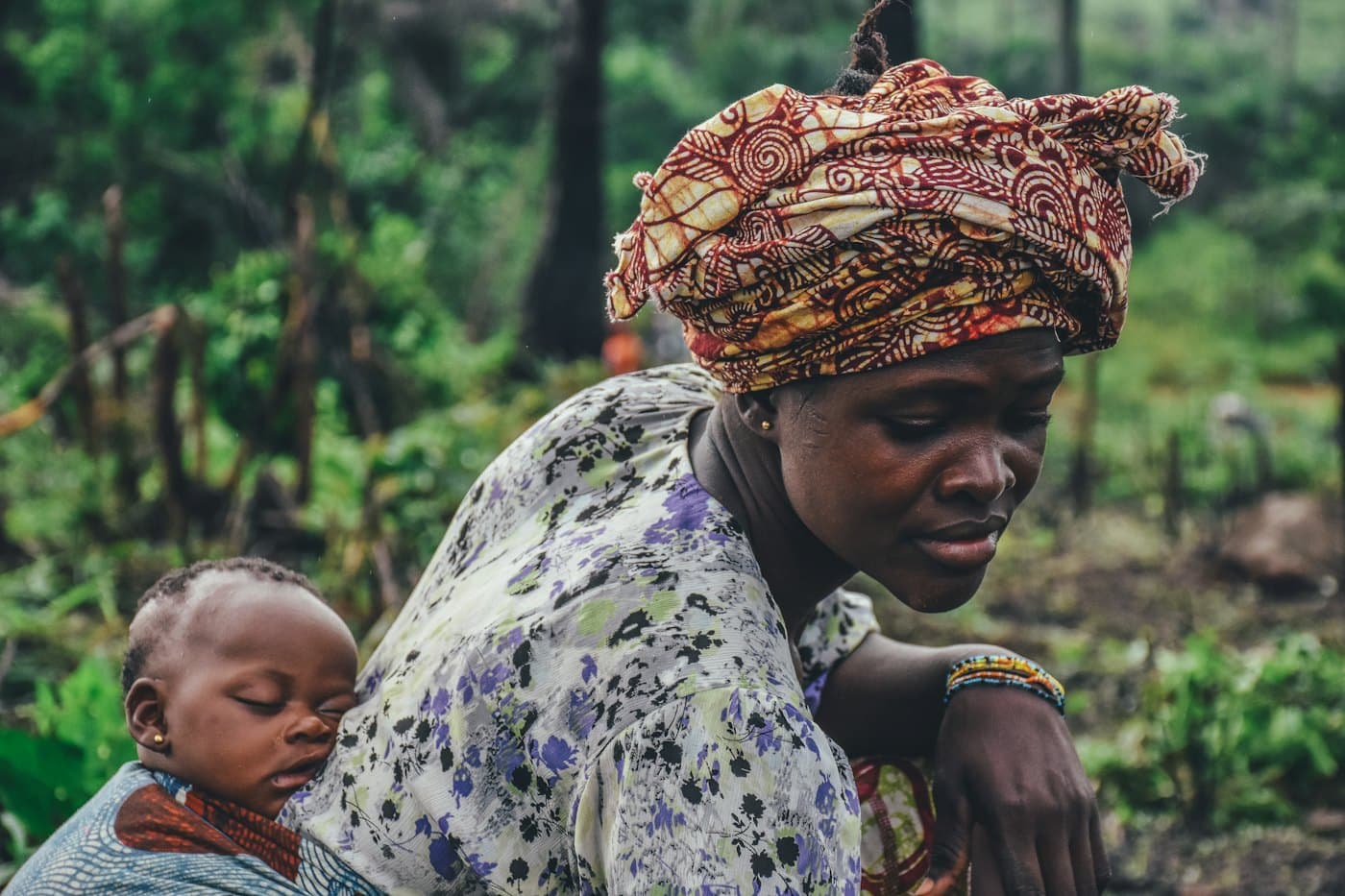
Healthcare
Malaria prevention
Bed nets, testing and treatment against Africa's biggest child killer.
Target$105,436
Donate to malaria prevention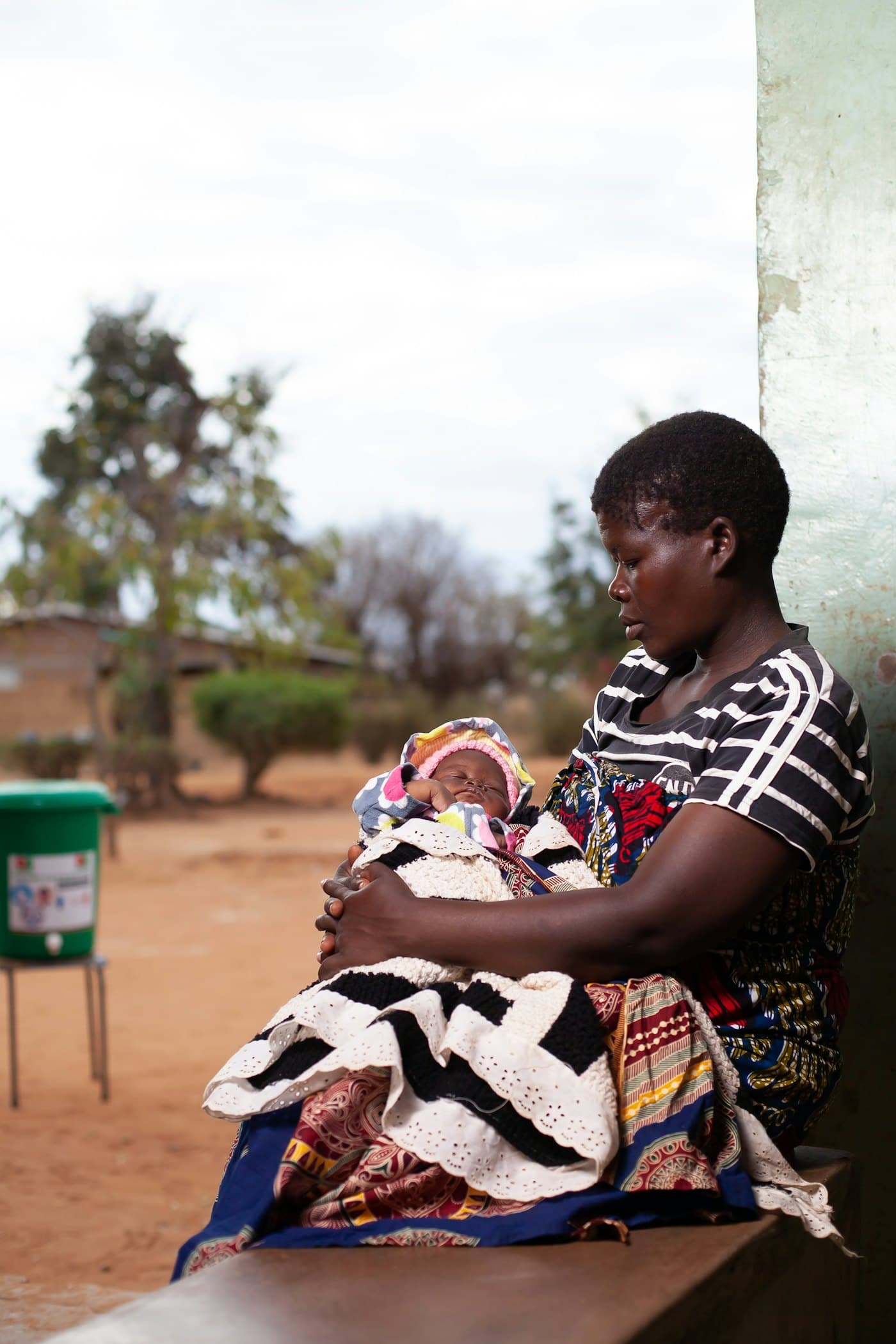
Healthcare
Maternal and child health
Antenatal care, safe delivery and vaccines for mothers and babies.
Target$79,038
Donate to maternal and child health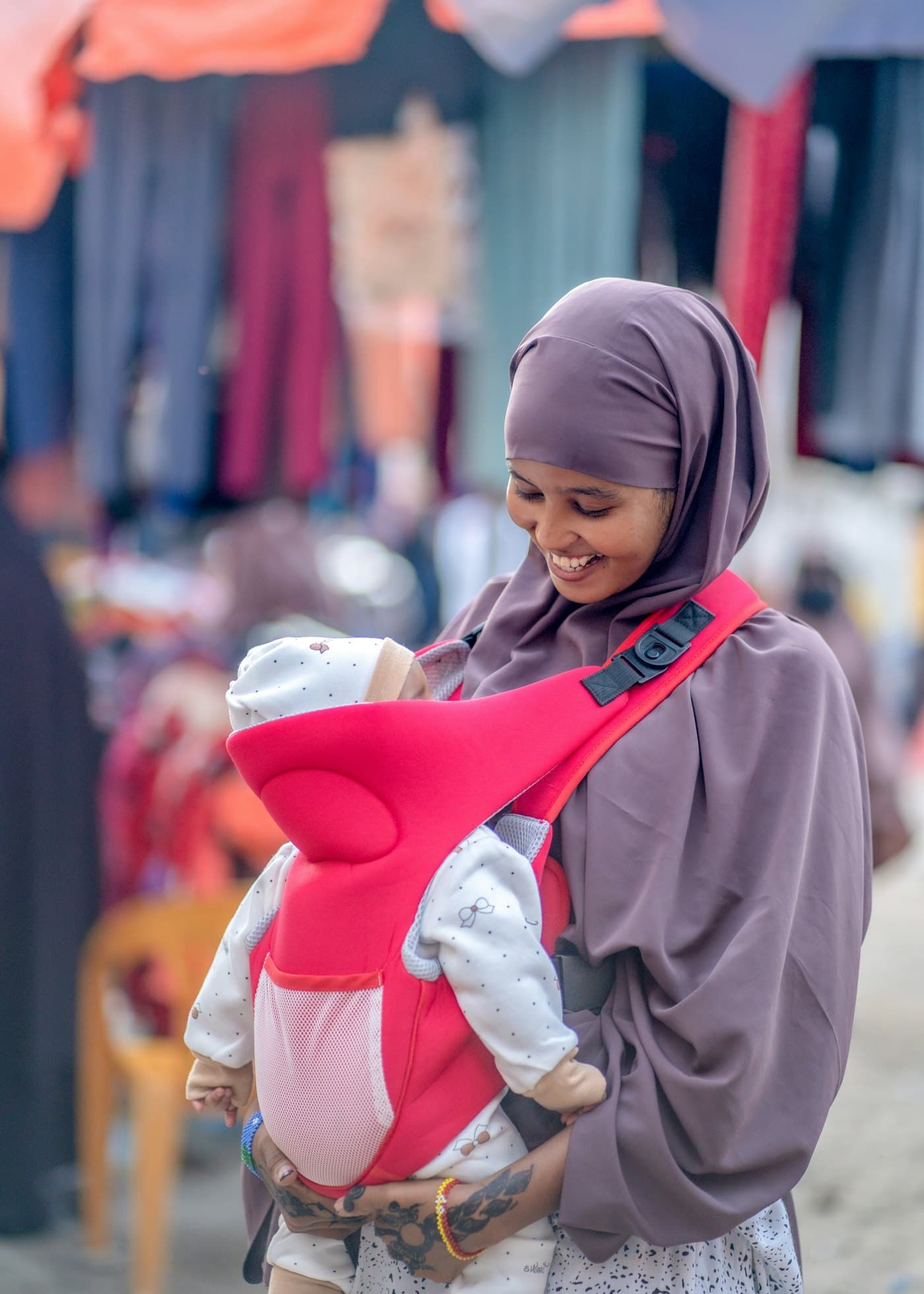
Healthcare
HIV/AIDS programs
Testing, treatment support and prevention of mother-to-child transmission.
Target$66,074
Donate to hiv/aids programs
More stories
- Best 501(c)(3) Charities to Donate to Clean Water Wells in Africa: What to Look For in 2026
How to find the best 501(c)(3) charities to donate to clean water wells in Africa. Eight criteria that separate lasting water projects from broken pumps, and how GiveToAfrica measures up.
- Donate to Clean Water Wells in Africa: How Borehole Projects Work and What Your Gift Funds
How to donate to clean water wells in Africa through a 501(c)(3). See what a borehole costs, what keeps it working, and fund a water project directly.
- How to Donate to Africa from the USA: Every Way to Give, and Where Your Money Goes
A practical guide to donate to Africa from anywhere in the United States. Choose a cause, give tax-deductibly to a 501(c)(3), and see exactly what your gift does.